
Dexamethasone Adds No Verbal Memory Benefit in Herpes Simplex Virus Encephalitis: The Lancet
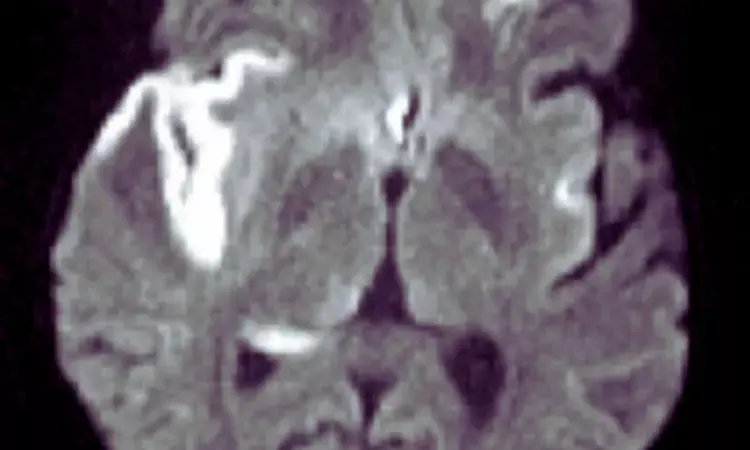


UK: In a phase III trial involving patients with herpes simplex virus encephalitis, adding dexamethasone to acyclovir did not improve verbal memory outcomes compared with acyclovir alone, according to The Lancet Neurology.
Herpes simplex virus (HSV) encephalitis remains one of the most severe viral infections of the central nervous system, often leading to death or long-term neurocognitive impairment despite timely antiviral therapy. Although acyclovir is the established standard of care, outcomes remain suboptimal, prompting interest in adjunctive treatments such as corticosteroids to reduce brain inflammation and swelling. However, evidence supporting their benefit has been limited and conflicting.
To address this gap, Prof Tom Solomon, FMedSci, from The Pandemic Institute, University of Liverpool, and colleagues conducted the DexEnceph trial to evaluate the safety and effectiveness of dexamethasone as an add-on therapy in adults with HSV encephalitis.
This multicentre, observer-blind, randomised phase III trial enrolled adults aged 16 years or older with confirmed HSV-1 or HSV-2 encephalitis across 53 hospitals in the UK. Participants were randomly assigned to receive either intravenous dexamethasone (10 mg four times daily for four days) alongside standard intravenous acyclovir, or acyclovir alone for at least 14 days. The primary endpoint was verbal memory performance at 26 weeks, assessed using the auditory memory index of the Wechsler Memory Scale-IV. Neuropsychologists evaluating outcomes and statisticians analysing the data were masked to treatment allocation.
The trial revealed the following findings:
- Between September 2016 and February 2022, a total of 94 patients with HSV encephalitis were enrolled, with 47 participants assigned to the dexamethasone plus acyclovir group and 47 to the acyclovir-alone group.
- Following withdrawals of consent and losses to follow-up, 81 patients were included in the modified intention-to-treat analysis.
- Dexamethasone therapy was started a median of seven days after hospital admission.
- At 26 weeks, verbal memory scores did not differ significantly between the dexamethasone and control groups.
- The adjusted mean difference in verbal memory outcomes between the two groups was minimal and not clinically meaningful, indicating no benefit of adjunctive dexamethasone on the primary neurocognitive endpoint.
- Adverse events were reported at similar rates in both treatment arms, supporting a comparable safety profile.
- Serious adverse events were infrequent across groups.
- Seizures requiring hospital readmission occurred rarely and were observed in both groups.
- Thrombotic events, including deep vein thrombosis and pulmonary embolism, were uncommon and showed no excess risk with dexamethasone use.
- No treatment-related deaths were reported during the study.
- Corticosteroid use was not associated with increased viral persistence in the cerebrospinal fluid.
The investigators note that while earlier retrospective studies suggested potential benefit from corticosteroids, this well-designed randomised trial does not support their routine use in HSV encephalitis to improve cognitive outcomes. However, the absence of harm is clinically relevant, particularly in patients with suspected encephalitis where autoimmune causes remain a possibility.
The findings suggest that early corticosteroid use in suspected encephalitis is unlikely to be detrimental. Future research, the authors emphasise, should focus on more targeted immunomodulatory strategies to improve outcomes in HSV encephalitis.
Reference:
Solomon T, Hooper C, Easton A, Rosala-Hallas A, Facer B, Moore P, Keller SS, Whitfield T, Fernandez C, Kneen R, Griffiths MJ, Das K, Moore SC, Davies K, Wheatley D, Stahl JP, Hardwick B, Defres S, Michael BD; DexEnceph Study Group; Burnside G, Ellul MA. Safety and efficacy of adjunct dexamethasone in adults with herpes simplex virus encephalitis in the UK (DexEnceph): a multicentre, observer-blind, randomised, phase 3, controlled trial. Lancet Neurol. 2026 Feb;25(2):136-146. doi: 10.1016/S1474-4422(25)00454-5. Erratum in: Lancet Neurol. 2026 Jan 29:S1474-4422(26)00040-2. doi: 10.1016/S1474-4422(26)00040-2. PMID: 41579900.

Next Story