
Human Brain Contains Far Higher Microplastic Levels Than Liver and Kidney, Study Finds
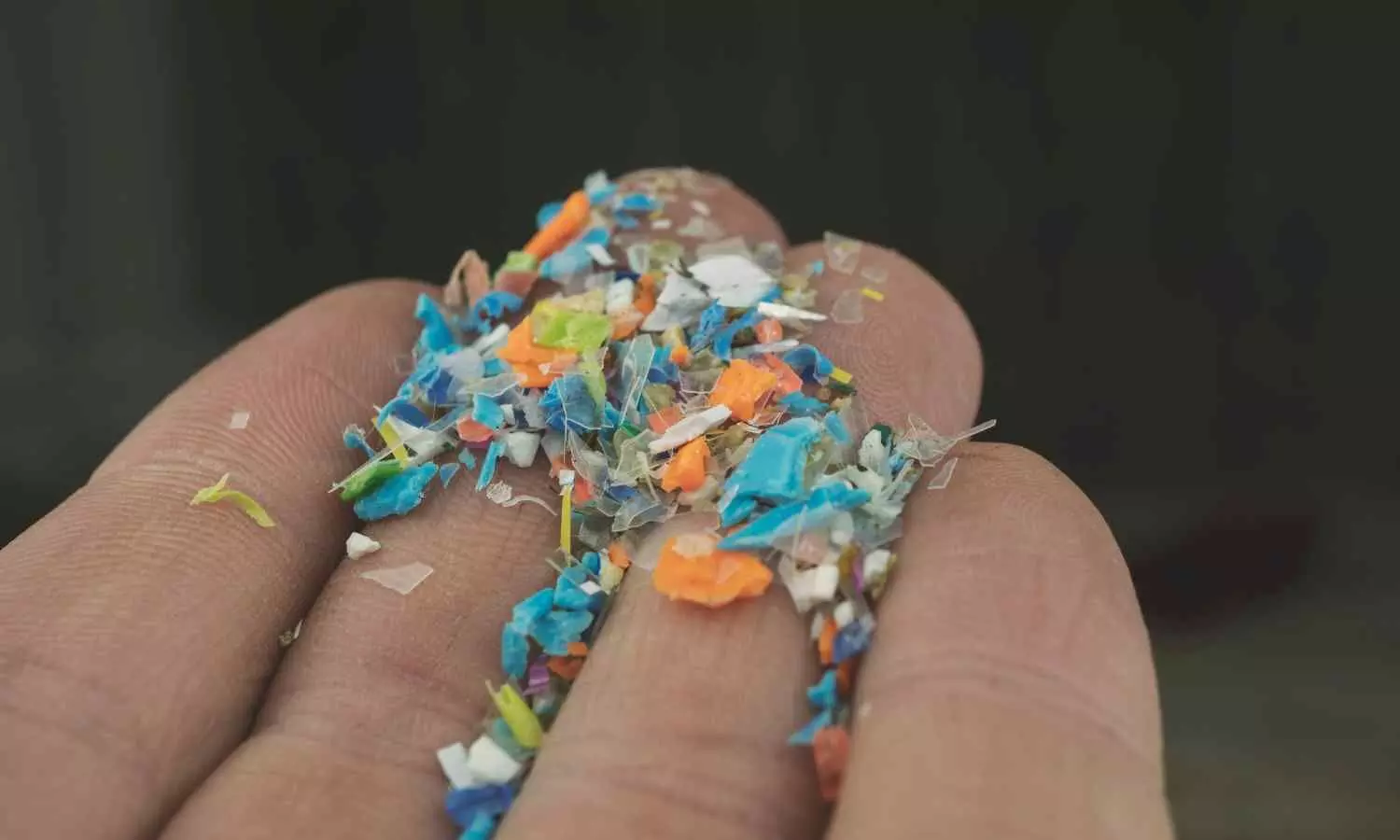


A recent retrospective analysis found the evidence of significant microplastic and nanoplastic (MNP) bioaccumulation in the human brain, with concentrations seven to thirty times greater than those in the liver or kidney, as detailed in a recent study published in Nature Medicine in February 2025.
Rising environmental plastic concentrations are a growing global concern, and while previous research has identified microplastics and nanoplastics (MNPs) in lungs and carotid atheromas, the specific internal dose and distribution within major human organs remain poorly understood. Consequently, Dr. Matthew J. Campen and colleagues from the University of New Mexico (UNM) Health Sciences performed a quantitative assessment of twelve distinct polymers in decedent tissues to bridge this clinical gap using advanced pyrolysis gas chromatography–mass spectrometry (Py-GC/MS).
Therefore, the retrospective analysis utilized Py-GC/MS to evaluate postmortem frontal cortex, liver, and kidney specimens from New Mexico and East Coast cohorts collected between 1997 and 2024, involving 20–28 participants per timepoint and 12 dementia cases. The study compared temporal trends and organ-specific mass concentrations as primary endpoints while visualizing morphology via electron microscopy and excluding external contamination through rigorous chemical digestion and ultracentrifugation.
Key Clinical Findings of the Study Include:
Organ Distribution: The study finds that the frontal cortex samples exhibited substantially higher microplastic concentrations than liver or kidney tissues, with 2024 specimens reaching a median of 4,917 µg/g compared to median values of 433 µg/g and 404 µg/g in those metabolic organs, respectively.
Polymer Composition: Polyethylene (PE) was the most abundant polymer detected, accounting for an average of 75% of the total plastic mass in brain samples, which was significantly higher than its relative proportion in liver or kidney specimens.
Temporal Trends: Total mass concentrations of plastics in the brain rose by approximately 50% between 2016 and 2024, mirroring the exponentially increasing environmental concentrations of polymers observed over the past half-century.
Dementia Correlation: Brain samples from patients with diagnosed dementia showed strikingly higher levels of plastics, with a median of 26,076 µg/g compared to normal frontal cortex cohorts.
Particulate Morphology: Visualization revealed that bioaccumulated plastics primarily exist as shard-like nanoplastic fragments typically measuring less than 200 nm in length.
The results suggest a significant and concerning trend of increasing MNP concentrations within the human brain and liver over the past several decades. This bioaccumulation, specifically of PE nanoplastic shards, is markedly more pronounced in the frontal cortex, where concentrations are substantially elevated compared to peripheral metabolic organs.
Thus, the study concludes that clinicians may need to consider the potential, though currently unproven, role of accumulated nanoplastics in neurological disorders and other systemic health effects as environmental exposure continues to rise.
While the study is limited by its retrospective nature and single tissue sampling from each organ, these findings underscore the clinical necessity for future large-scale investigations to clarify the routes of nanoplastic exposure and their long-term health consequences.
Reference
Nihart, A. J., et al. (2025). Bioaccumulation of microplastics in decedent human brains. Nature Medicine.
