
Multidomain Lifestyle Intervention May Slow Brain Aging, Suggests Trial
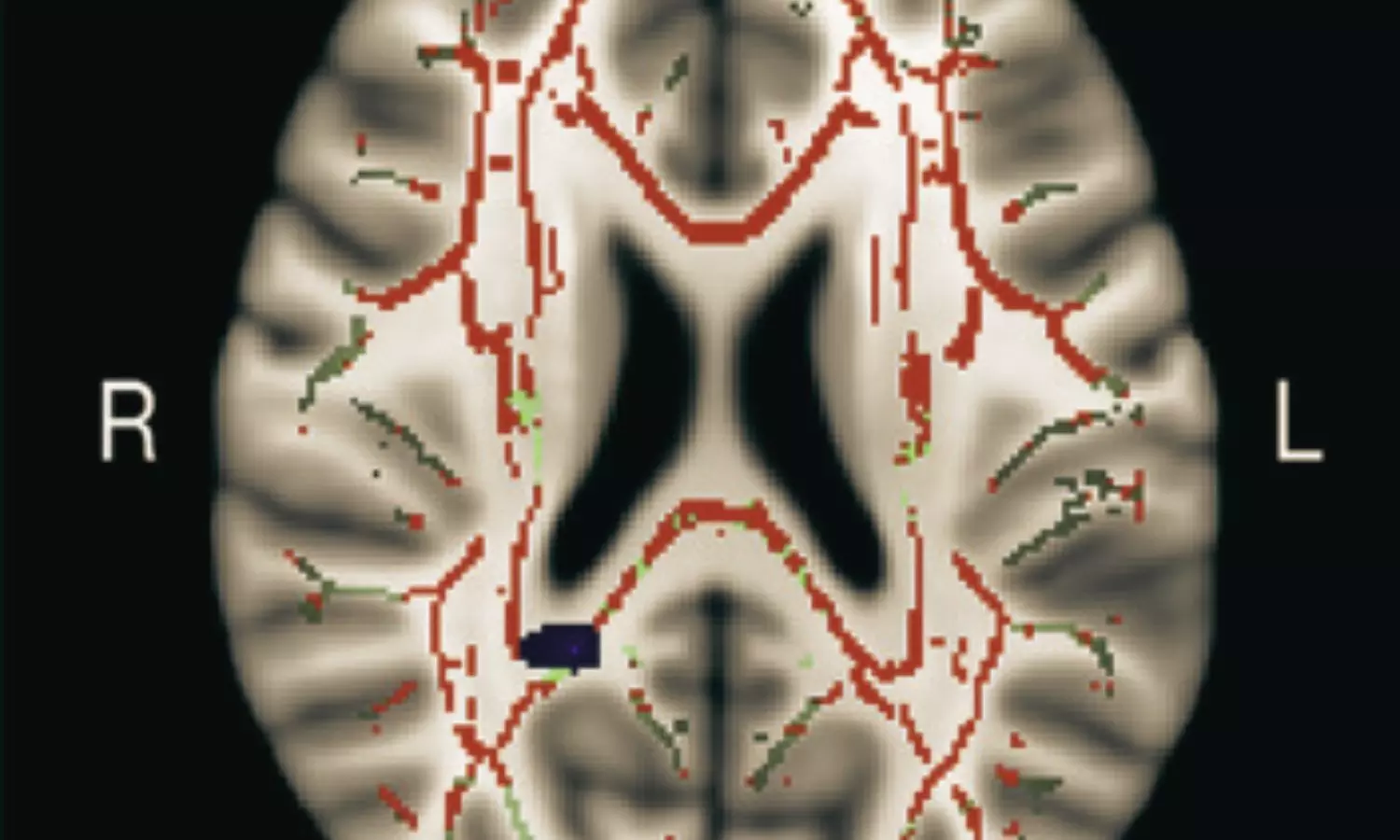


USA: A secondary analysis of the randomized POINTER trial suggests that a structured multidomain lifestyle intervention may help slow age-related changes in brain white matter. The findings indicate that combining healthy lifestyle strategies could support brain health and potentially delay structural brain aging.
The findings, published in JAMA Network Open, come from the POINTER Imaging study led by Pauline Maillard from the Department of Neurology, University of California, Davis, and colleagues. The researchers examined whether an intensive lifestyle intervention could alter magnetic resonance imaging (MRI) markers of cerebrovascular health in older adults at increased risk of cognitive decline and whether the effects differed according to age.
Previous studies have shown that multidomain lifestyle interventions can slow cognitive decline in older adults at risk, but their effects on MRI markers of cerebrovascular injury remain unclear.
In the prespecified secondary analysis of the US POINTER randomized clinical trial, researchers evaluated 959 adults aged 60–79 years at increased risk of cognitive decline. Participants underwent brain MRI at baseline, 12 months, and 24 months and were randomized to either a structured multidomain lifestyle intervention—comprising supervised exercise, dietary counseling, cognitive and social engagement, and health coaching—or a self-guided educational program.
The study assessed multiple MRI markers of cerebrovascular health, including white matter free water (FW), fractional anisotropy (FA), peak width of skeletonized mean diffusivity (PSMD), analysis along the perivascular space (ALPS) index, white matter hyperintensity (WMH) volume, and incident cerebral microbleeds (CMBs).
Key findings from the study include:
- The structured lifestyle intervention significantly reduced the increase in white matter free water over time in participants younger than 70 years compared with the self-guided group.
- No significant benefit of the intervention on free water progression was observed among participants aged 70 years or older.
- The intervention did not significantly influence other MRI markers, including white matter hyperintensity volume, fractional anisotropy, PSMD, or ALPS index.
- Higher baseline free water and PSMD were associated with an increased risk of developing new cerebral microbleeds during follow-up.
- Higher baseline free water and lower fractional anisotropy predicted greater progression of white matter hyperintensities over the two-year study period.
The researchers noted that white matter free water was the MRI marker most responsive to lifestyle intervention, indicating its potential as an early indicator of cerebrovascular injury before conventional imaging changes become apparent. They also suggested that intensive lifestyle interventions may be more effective when implemented earlier in late life.
The authors acknowledged limitations, including the use of an imaging subset of the parent trial, the relatively short two-year follow-up, limited power to detect changes in established cerebrovascular lesions, and possible benefits from the self-guided education program that may have reduced differences between the study groups.
The researchers concluded that structured multidomain lifestyle intervention improved white matter free water trajectories in adults younger than 70 years at risk for cognitive decline, supporting free water as a sensitive early marker of cerebrovascular brain health and highlighting the potential benefits of earlier lifestyle intervention to preserve brain microvascular integrity.
Reference:
Maillard P, Vemuri P, Harvey DJ, et al. Age, Multidomain Lifestyle Intervention, and White Matter Integrity: Secondary Analysis of the POINTER Randomized Clinical Trial. JAMA Netw Open. 2026;9(7):e2620353. doi:10.1001/jamanetworkopen.2026.20353

Next Story