Patients undergoing surgery for chronic subdural hematoma at long term risk of cognitive deficit and mortality: JAMA
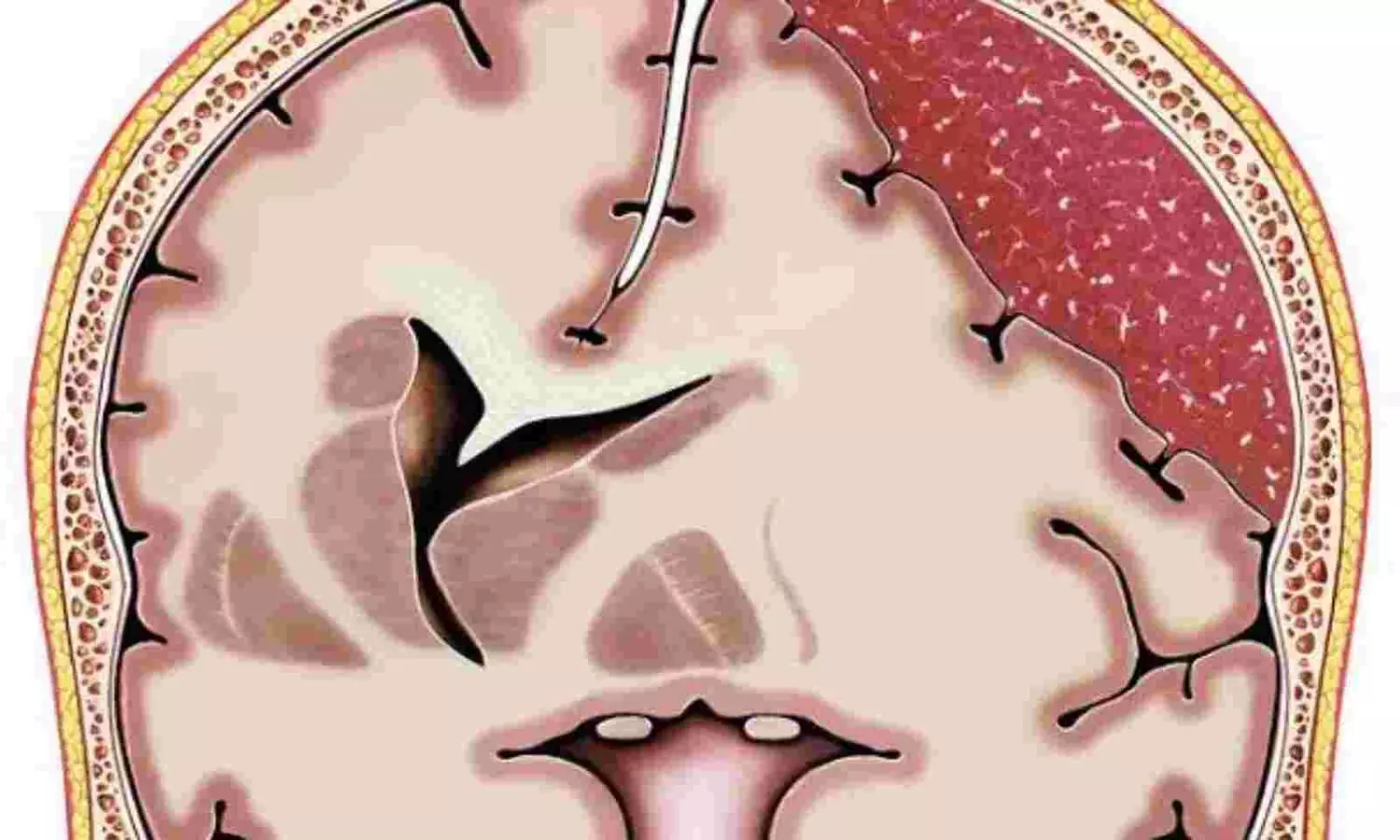


Researchers have found in a new follow-up cohort study that patients undergoing surgical evacuation for chronic subdural hematoma (cSDH) had persistently higher mortality and long-term cognitive and functional deficits even a decade after treatment, although overall quality of life among survivors remained largely preserved. The causes of late mortality are unclear, emphasizing the need for further research. Improving long-term outcomes may require not only procedural advances but also comprehensive care, including neurorehabilitation and frailty management. The study was published in JAMA Neurology by Thomas P. and colleagues.
The background behind this research, which took place at a Swiss tertiary referral center, lies in extensive exploration of 359 adult patients who had undergone surgical intervention in the period between 2012 and 2016. Although neurosurgeons traditionally have tended to regard cSDH as a rather uncomplicated geriatric disease with positive immediate prognoses regarding recovery, the investigation has focused on long-term mortality from all causes and functional areas among patients who had experienced it. Matching these patients with the general Swiss population according to such characteristics as age, gender, and birth months has allowed identifying the hazard ratio for mortality among patients with cSDH as 2.02. Conducted by the end of 2025, the research raises the problem of comprehensive follow-up care for such patients.
Key findings:
- The information on mortality from this study depicts a worrying trend in the form of excess mortality, the difference in life expectancy between the subjects affected by cSDH and healthy people.
- The survival rates among individuals in the study sample were 92.8% and 98.8%, corresponding to excess mortality of 6.0 percentage points and SMR of 3.22 at year 1.
- The trend continued to worsen in the following years. In the fifth year, survival rates had already fallen to 76.6% for the surgical group against 88.2% for the controls; thus, at year 5, the excess mortality was 11.6 percentage points.
- By year 10, the highest discrepancy in life expectancy was recorded. At the end of the 10-year follow-up, only 55.5% of the surgically treated cSDH patients survived, while the comparable control group survival rate was 73.5%.
- Thus, the excess mortality was found to be 18.0 percentage points at year 10.
- Findings revealed that both males and females had major problems especially those related to cognition and role functioning.
- The male participants scored significantly lower than the controls in the categories of physical functioning (75.9 versus 83.22), role functioning (74.9 versus 84.87) and cognitive functioning (77.6 versus 87.38).
- The social functioning scores were low among the males with a mean of 84.3 compared to the controls whose average score was 90.00.
- Female participants had problems with role and cognitive functions scoring 69.0 and 70.2 respectively.
The procedure used to treat chronic subdural hematoma is associated with an increased mortality rate and functional deficits that last throughout patients’ lives. This research has demonstrated convincingly that a higher mortality rate of 18 percentage points and reduced levels of physical and cognitive functioning still occur a whole decade following surgery. Such results necessitate a fundamental change in the philosophy that underlies neurosurgery in favor of a new rehabilitative approach that will allow for the provision of continuous care in the long run.
Reference:
Petutschnigg T, Aschwanden S, Descombes C, et al. Long-Term Mortality, Cognition, and Quality of Life After Chronic Subdural Hematoma Surgery. JAMA Neurol. Published online April 13, 2026. doi:10.1001/jamaneurol.2026.0656