Medical Dialogues
  • Dermatology
Login Register
This site is intended for healthcare professionals only
Login Register
  • MD Brand Connect
  • Webinars
  • Vaccine Hub
  • MDTV
    • Breaking News
    • Medical News Today
    • Health News Today
    • Latest
    • Journal Club
    • Medico Legal Update
    • Latest Webinars
    • MD Shorts
    • Health Dialogues
  • Fact Check
  • Health Dialogues
Medical Dialogues
  • Medical News & Guidelines
      • Anesthesiology
      • Cardiology and CTVS
      • Critical Care
      • Dentistry
      • Dermatology
      • Diabetes and Endocrinology
      • ENT
      • Gastroenterology
      • Medicine
      • Nephrology
      • Neurology
      • Obstretics-Gynaecology
      • Oncology
      • Ophthalmology
      • Orthopaedics
      • Pediatrics-Neonatology
      • Psychiatry
      • Pulmonology
      • Radiology
      • Surgery
      • Urology
      • Laboratory Medicine
      • Diet
      • Nursing
      • Paramedical
      • Physiotherapy
  • Health news
      • Doctor News
      • Government Policies
      • Hospital & Diagnostics
      • International Health News
      • Medical Organization News
      • Medico Legal News
      • NBE News
      • NMC News
  • Fact Check
      • Bone Health Fact Check
      • Brain Health Fact Check
      • Cancer Related Fact Check
      • Child Care Fact Check
      • Dental and oral health fact check
      • Diabetes and metabolic health fact check
      • Diet and Nutrition Fact Check
      • Eye and ENT Care Fact Check
      • Fitness fact check
      • Gut health fact check
      • Heart health fact check
      • Kidney health fact check
      • Medical education fact check
      • Men's health fact check
      • Respiratory fact check
      • Skin and hair care fact check
      • Vaccine and Immunization fact check
      • Women's health fact check
  • AYUSH
    • Ayurveda
    • Homeopathy
    • Siddha
    • Unani
    • Yoga
  • State News
      • Andaman and Nicobar Islands
      • Andhra Pradesh
      • Arunachal Pradesh
      • Assam
      • Bihar
      • Chandigarh
      • Chattisgarh
      • Dadra and Nagar Haveli
      • Daman and Diu
      • Delhi
      • Goa
      • Gujarat
      • Haryana
      • Himachal Pradesh
      • Jammu & Kashmir
      • Jharkhand
      • Karnataka
      • Kerala
      • Ladakh
      • Lakshadweep
      • Madhya Pradesh
      • Maharashtra
      • Manipur
      • Meghalaya
      • Mizoram
      • Nagaland
      • Odisha
      • Puducherry
      • Punjab
      • Rajasthan
      • Sikkim
      • Tamil Nadu
      • Telangana
      • Tripura
      • Uttar Pradesh
      • Uttrakhand
      • West Bengal
  • Medical Education
      • Ayush Education News
      • Dentistry Education News
      • Medical Admission News
      • Medical Colleges News
      • Medical Courses News
      • Medical Universities News
      • Nursing education News
      • Paramedical Education News
      • Study Abroad
  • Industry
      • Health Investment News
      • Health Startup News
      • Medical Devices News
      • Pharma News
      • Pharmacy Education News
      • AI and healthcare
      • Industry Perspective
  • MDTV
      • Health Dialogues MDTV
      • Health News today MDTV
      • Latest Videos MDTV
      • Latest Webinars MDTV
      • MD shorts MDTV
      • Medical News Today MDTV
      • Medico Legal Update MDTV
      • Top Videos MDTV
      • Health Perspectives MDTV
      • Journal Club MDTV
      • Medical Dialogues Show
This site is intended for healthcare professionals only
LoginRegister
Medical Dialogues
LoginRegister
  • Home
  • Medical news & Guidelines
    • Anesthesiology
    • Cardiology and CTVS
    • Critical Care
    • Dentistry
    • Dermatology
    • Diabetes and Endocrinology
    • ENT
    • Gastroenterology
    • Medicine
    • Nephrology
    • Neurology
    • Obstretics-Gynaecology
    • Oncology
    • Ophthalmology
    • Orthopaedics
    • Pediatrics-Neonatology
    • Psychiatry
    • Pulmonology
    • Radiology
    • Surgery
    • Urology
    • Laboratory Medicine
    • Diet
    • Nursing
    • Paramedical
    • Physiotherapy
  • Health news
    • Doctor News
    • Government Policies
    • Hospital & Diagnostics
    • International Health News
    • Medical Organization News
    • Medico Legal News
    • NBE News
    • NMC News
  • Fact Check
    • Bone Health Fact Check
    • Brain Health Fact Check
    • Cancer Related Fact Check
    • Child Care Fact Check
    • Dental and oral health fact check
    • Diabetes and metabolic health fact check
    • Diet and Nutrition Fact Check
    • Eye and ENT Care Fact Check
    • Fitness fact check
    • Gut health fact check
    • Heart health fact check
    • Kidney health fact check
    • Medical education fact check
    • Men's health fact check
    • Respiratory fact check
    • Skin and hair care fact check
    • Vaccine and Immunization fact check
    • Women's health fact check
  • AYUSH
    • Ayurveda
      • Ayurveda Giuidelines
      • Ayurveda News
      • Top Ayurveda News
    • Homeopathy
      • Homeopathy Guidelines
      • Homeopathy News
    • Siddha
      • Siddha Guidelines
      • Siddha News
    • Unani
      • Unani Guidelines
      • Unani News
    • Yoga
      • Yoga Guidelines
      • Yoga News
  • State News
    • Andaman and Nicobar Islands
    • Andhra Pradesh
    • Arunachal Pradesh
    • Assam
    • Bihar
    • Chandigarh
    • Chattisgarh
    • Dadra and Nagar Haveli
    • Daman and Diu
    • Delhi
    • Goa
    • Gujarat
    • Haryana
    • Himachal Pradesh
    • Jammu & Kashmir
    • Jharkhand
    • Karnataka
    • Kerala
    • Ladakh
    • Lakshadweep
    • Madhya Pradesh
    • Maharashtra
    • Manipur
    • Meghalaya
    • Mizoram
    • Nagaland
    • Odisha
    • Puducherry
    • Punjab
    • Rajasthan
    • Sikkim
    • Tamil Nadu
    • Telangana
    • Tripura
    • Uttar Pradesh
    • Uttrakhand
    • West Bengal
  • Medical Education
    • Ayush Education News
    • Dentistry Education News
    • Medical Admission News
    • Medical Colleges News
    • Medical Courses News
    • Medical Universities News
    • Nursing education News
    • Paramedical Education News
    • Study Abroad
  • Industry
    • Health Investment News
    • Health Startup News
    • Medical Devices News
    • Pharma News
      • CDSCO (Central Drugs Standard Control Organisation) News
    • Pharmacy Education News
    • AI and healthcare
    • Industry Perspective
  • Home
  • Neurology and Neurosurgery
  • Neurology & Neurosurgery News
  • Six popular sugar...

Six popular sugar substitutes linked to faster brain aging, reveals research
Written By : Dr. Kamal Kant Kohli Published On 2026-11-01T21:15:24+05:30  |  Updated On 1 Nov 2026 9:15 PM IST
Six popular sugar substitutes linked to faster brain aging,  reveals research
  • facebook
  • twitter
  • linkedin
  • whatsapp
  • Telegram
  • Email

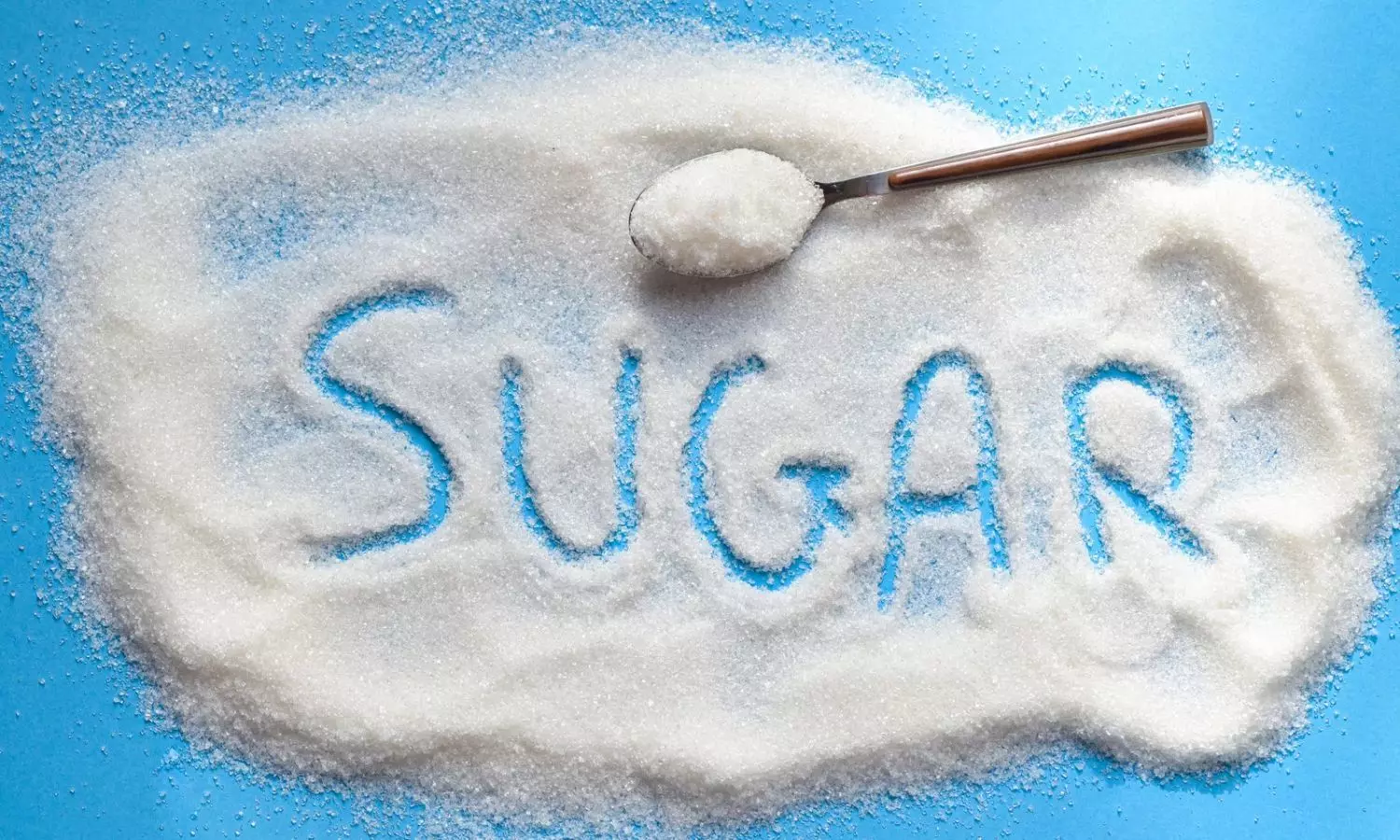
Sugar substitutes are often promoted as a healthier way to enjoy sweet foods and drinks without consuming as much sugar. However, new research suggests that some of these widely used sweeteners may have an unexpected downside for long-term brain health.

A study published in Neurology, the medical journal of the American Academy of Neurology, found that people who consumed the most low- and no-calorie sweeteners experienced significantly faster declines in memory and thinking skills than those who consumed the least. The association was particularly pronounced among people with diabetes.

Researchers examined seven sweeteners commonly used in foods and beverages: aspartame, saccharin, acesulfame-K, erythritol, xylitol, sorbitol and tagatose. These ingredients frequently appear in ultra-processed products, including diet sodas, flavored waters, energy drinks, yogurt and low-calorie desserts. Some are also sold separately for sweetening foods and beverages.

"Low- and no-calorie sweeteners are often seen as a healthy alternative to sugar; however, our findings suggest certain sweeteners may have negative effects on brain health over time," said study author Claudia Kimie Suemoto, MD, PhD, of the University of São Paulo in Brazil.

Importantly, the findings show an association rather than a proven cause-and-effect relationship. Researchers cannot conclude from this study that consuming these sweeteners directly damages the brain or causes memory loss.

Study Tracks Nearly 13,000 Adults for Eight Years

To investigate whether sugar substitutes might be connected to cognitive health, researchers analyzed data from 12,772 adults across Brazil. Participants were 52 years old on average when the study began and were followed for approximately eight years.

At the beginning of the study, participants completed detailed dietary questionnaires describing the foods and drinks they had consumed during the previous year. Researchers used these responses to estimate each person's daily intake of the seven sweeteners.

Participants were then separated into three groups according to how much of the sweeteners they consumed. Those in the lowest consumption group averaged 20 milligrams per day (mg/day), while those in the highest group averaged 191 mg/day. For comparison, 191 milligrams of aspartame is roughly the amount found in one can of diet soda.

Of the seven sweeteners examined, sorbitol had the highest average intake, at 64 mg/day. Sorbitol belongs to a category of sweeteners called sugar alcohols, which provide sweetness and are commonly used as sugar substitutes.

Throughout the study, participants completed cognitive assessments at three points: the beginning, middle, and end. These tests measured several abilities essential for everyday mental functioning, including memory, language, and the speed at which the brain processes information.

Researchers evaluated verbal fluency, or the ability to quickly retrieve and produce words, along with working memory, which allows people to temporarily hold and use information. They also tested word recall and processing speed to determine how these abilities changed over time.

High Sweetener Consumption Linked to 62% Faster Cognitive Decline

The results revealed a striking difference between people who consumed the most sweeteners and those who consumed the least.

After accounting for factors that could influence cognitive health, including age, sex, high blood pressure, and cardiovascular disease, researchers found that participants in the highest consumption group experienced a 62% faster decline in overall thinking and memory abilities compared with those in the lowest group.

That difference was equivalent to approximately 1.6 additional years of cognitive aging over the study period.

Even moderate consumption was associated with measurable differences. Participants in the middle group experienced a 35% faster decline than those consuming the least, equivalent to roughly 1.3 additional years of cognitive aging.

These estimates describe changes in cognitive test performance rather than a direct measurement of biological brain aging. They also do not mean that everyone who consumes artificial sweeteners will experience memory problems.

Stronger Links Found in Adults Under 60 and People With Diabetes

When researchers examined different age groups, they discovered that the association was not consistent across all participants.

Among adults younger than 60, higher sweetener consumption was linked to faster declines in verbal fluency and overall cognitive performance. However, researchers did not find a similar association among participants older than 60.

The relationship was also stronger in people with diabetes than in those without the condition. This finding is especially relevant because people with diabetes frequently turn to sugar substitutes to help manage their sugar intake.

Examining the sweeteners individually revealed another important distinction. Six of the seven substances were associated with faster declines in overall cognitive performance, particularly memory.

Those six were aspartame, saccharin, acesulfame-K, erythritol, sorbitol and xylitol.

Tagatose was the exception. Researchers found no association between its consumption and cognitive decline in this study. However, that finding does not establish that tagatose protects the brain or is necessarily safer than other sweeteners.

Should People Rethink Artificial Sweeteners?

The findings raise important questions about whether replacing sugar with low-calorie alternatives always delivers the health benefits consumers expect, particularly when it comes to the brain.

"While we found links to cognitive decline for middle-aged people both with and without diabetes, people with diabetes are more likely to use artificial sweeteners as sugar substitutes," Suemoto said. "More research is needed to confirm our findings and to investigate if other refined sugar alternatives, such as applesauce, honey, maple syrup or coconut sugar, may be effective alternatives."

Researchers also acknowledged several limitations. The analysis did not cover every artificial sweetener available on the market, so the findings cannot necessarily be applied to all sugar substitutes.

In addition, dietary information came from participants' own recollections of what they had eaten and drunk. Because people may forget foods, underestimate portions, or inaccurately report their habits, these estimates may not perfectly reflect actual sweetener consumption.

The observational design also means that other factors could help explain the relationship between sweetener intake and cognitive decline, despite researchers' efforts to account for several important health differences.

Further studies will be needed to determine whether the sweeteners themselves contribute to changes in brain function, why certain groups appear more strongly affected, and whether different sugar alternatives produce different long-term outcomes.

References:

1. Natalia Gomes Gonçalves, Euridice Martinez-Steele, Paulo A. Lotufo, Isabela Bensenor, Alessandra C. Goulart, Sandhi Maria Barreto, Luana Giatti, Carolina Perim de Faria, Maria del Carmen Bisi Molina, Paulo Caramelli, Dirce Maria Marchioni, Claudia Kimie Suemoto. Association Between Consumption of Low- and No-Calorie Artificial Sweeteners and Cognitive Decline. Neurology, 2025; 105 (7) DOI: 10.1212/WNL.0000000000214023

2. Thomas Monroe Holland. The Dark Side of Sweet. Neurology, 2025; 105 (7) DOI: 10.1212/WNL.0000000000214129

NeurologyAmerican Academy of Neurologysugarbrain agingbrain healthdiabetes
Source : Neurology

Medical Survey

Dr. Kamal Kant Kohli

Dr Kamal Kant Kohli-MBBS, DTCD- a chest specialist with more than 30 years of practice and a flair for writing clinical articles, Dr Kamal Kant Kohli joined Medical Dialogues as a Chief Editor of Medical News. Besides writing articles, as an editor, he proofreads and verifies all the medical content published on Medical Dialogues including those coming from journals, studies,medical conferences,guidelines etc. Email: drkohli@medicaldialogues.in. Contact no. 011-43720751

Print Article
Show Full Article
Next Story
Recommended For You
NO DATA FOUND

Editorial

Jural Exploitation of Healthcare Professionals and Institutions in the PM-RAHAT Scheme - Dr Rajeev Joshi

Jural Exploitation of Healthcare Professionals and Institutions in the PM-RAHAT Scheme - Dr Rajeev...

Metformin - Eight Points on a Metabolic Anchor in T2D: World Diabetes Day Special

Metformin - Eight Points on a Metabolic Anchor in T2D: World Diabetes Day Special

Clinical Insights for Allergic Rhinitis Management with Fexofenadine and Pseudoephedrine Combination - Dr. Makarand Damle

Clinical Insights for Allergic Rhinitis Management with Fexofenadine and Pseudoephedrine Combination...

Effect of Saroglitazar in MASLD: Latest Indian 2026 Study

Effect of Saroglitazar in MASLD: Latest Indian 2026 Study

Beyond the Lipid Panel: Elevated Lp(a), Lifetime Risk and What the Evidence Says About Aspirin- Dr Ambar Bhatnagar

Beyond the Lipid Panel: Elevated Lp(a), Lifetime Risk and What the Evidence Says About Aspirin- Dr...

View All

Journal Club Today

Clinical Insights for Allergic Rhinitis Management with Fexofenadine and Pseudoephedrine Combination - Dr. Makarand Damle

Clinical Insights for Allergic Rhinitis Management with Fexofenadine and Pseudoephedrine Combination...

View All
© 2022 All Rights Reserved.
Powered By: Hocalwire
X
We use cookies for analytics, advertising and to improve our site. You agree to our use of cookies by continuing to use our site. To know more, see our Cookie Policy and Cookie Settings.Ok