
Ultra-Brief Brain Stimulation Matches Standard Therapy for Depression in Parkinson's: JAMA
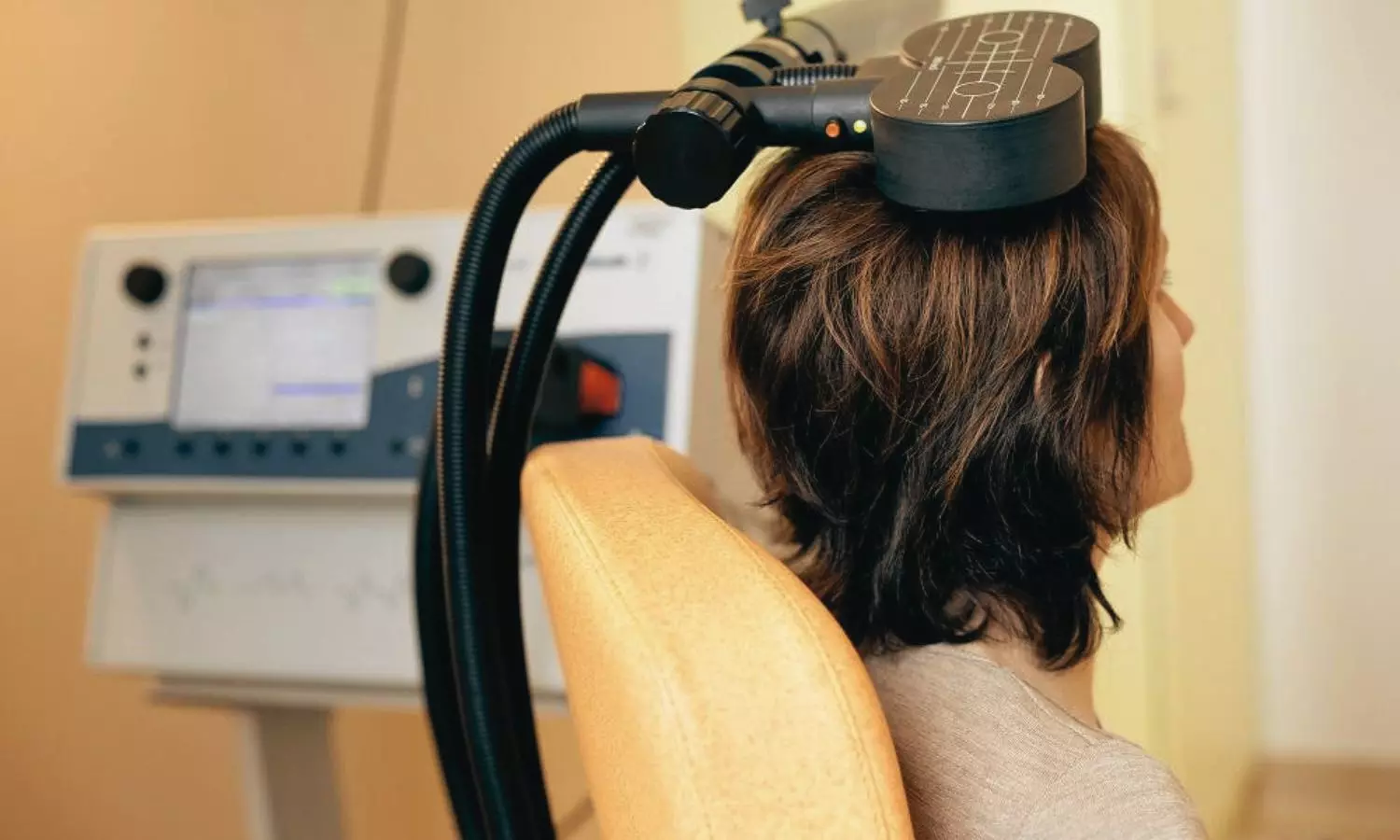


China: A randomized clinical trial has found that an ultra-brief intermittent theta-burst stimulation (iTBS) protocol can reduce depressive symptoms in patients with Parkinson's disease (PD) as effectively as standard high-frequency repetitive transcranial magnetic stimulation (HF-rTMS), while requiring substantially less treatment time. The findings highlight iTBS as a more time-efficient and patient-friendly neuromodulation strategy.
The study, published in JAMA Network Open, was led by Miaomiao Hou from the Department of Neurology at Xinhua Hospital, Shanghai Jiao Tong University School of Medicine. Depression is a common and disabling non-motor feature of Parkinson's disease, and although HF-rTMS targeting the left dorsolateral prefrontal cortex has shown effectiveness, its lengthy sessions often limit clinical feasibility.
To explore a more practical alternative, the researchers conducted a single-center, randomized, sham-controlled trial involving 54 patients aged 50 to 80 years with PD and mild-to-moderate depressive symptoms. Participants were randomly assigned to receive iTBS, HF-rTMS, or sham stimulation in a 1:1:1 ratio. The intervention consisted of 10 daily sessions over two weeks, with iTBS delivered in just over 3 minutes compared to approximately 20 minutes for HF-rTMS.
The primary outcome was improvement in depressive symptoms, measured using the 24-item Hamilton Depression Rating Scale (HAMD-24) at week 2.
The trial revealed the following findings:
- Both iTBS and HF-rTMS significantly reduced depression scores compared to sham stimulation.
- The improvement in depressive symptoms was similar between iTBS and HF-rTMS, with no significant difference between the two.
- The antidepressant effects of both treatments were sustained at the six-week follow-up.
- Both active interventions led to improvements in quality of life, reflected by better PDQ-8 scores.
- iTBS was also associated with a significant reduction in anxiety symptoms.
- Neuroimaging showed increased activation in the left dorsolateral prefrontal cortex after both treatments.
- Both interventions improved brain network efficiency, indicating underlying neurophysiological changes linked to symptom improvement.
Despite promising results, the authors highlighted several limitations. The study was conducted at a single center with a relatively small sample size, which may limit broader applicability. The use of a standard targeting method for brain stimulation may have introduced anatomical variability, and the intensive two-week treatment schedule could be challenging for patients with mobility limitations. Potential bias from an unblinded clinician and lack of control for concurrent medications were also noted. Furthermore, neuroimaging findings were exploratory, and longer-term effects were not assessed.
Overall, the study suggests that iTBS offers a practical and efficient alternative to conventional rTMS for managing depression in Parkinson's disease. By delivering comparable therapeutic benefits in a fraction of the time, iTBS may help overcome logistical barriers and improve access to care. The findings also support the growing role of personalized, symptom-targeted neuromodulation strategies in the management of complex neurological disorders.
Reference:
Hou M, Tian B, Qi C, et al. Intermittent Theta-Burst Stimulation for Depressive Symptoms in Parkinson Disease: A Randomized Clinical Trial. JAMA Netw Open. 2026;9(5):e2613580. doi:10.1001/jamanetworkopen.2026.13580

Next Story