HC upholds Haryana policy allowing all inservice doctors to apply for MD, MS admissions under 40 percent reservation
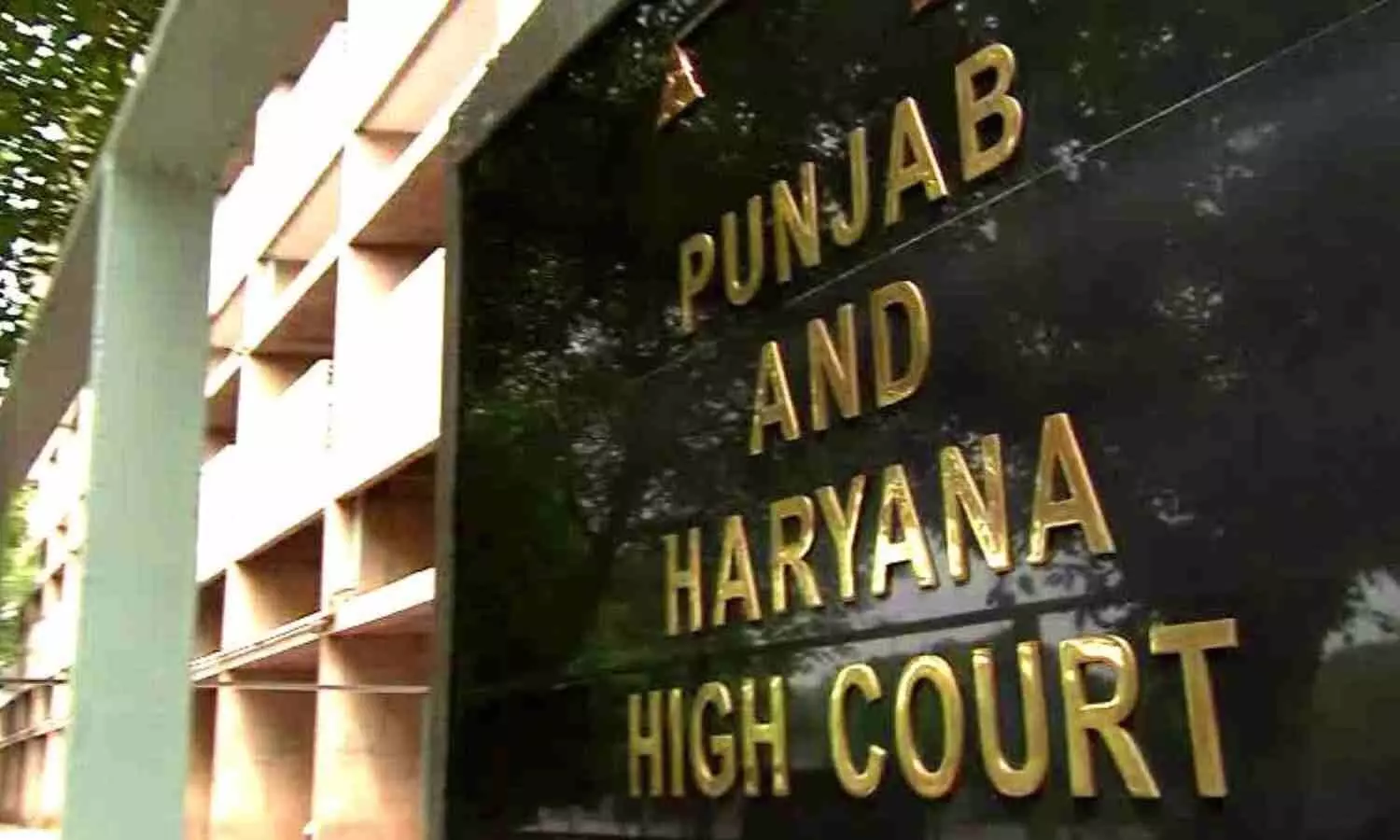


Chandigarh: The Punjab and Haryana High Court has upheld the Haryana Government's September 2024 policy allowing all in-service government doctors to apply for admission to MD/MS courses under the 40 percent in-service quota, even if they have not completed two years of service in rural or remote areas.
Dismissing the challenge to the policy, the High Court said the State has the authority to create a separate admission channel for in-service doctors and decide the eligibility conditions for such admissions.
Under the state quota, in-service doctors receive a 40% reservation. The September 2024 policy allowed that even without rendering two years of service in rural/remote areas in the state, government medical practitioners can also apply.
However, a group of doctors challenged this specific condition. They argued that unless an in-service candidate has worked in rural/remote/difficult areas, he/she cannot be treated as an in-service candidate under the 40% quota for admission to the postgraduate course.
Rejecting this argument, the court observed that by framing its policy, the state intends to ensure that the MBBS doctors employed by it are provided higher qualifications so that such doctors are better equipped to provide improved medical facilities in the rural areas. The policy contemplates furnishing of a bond by such in-service doctors to render a minimum of five years' service in rural/difficult areas and thereby ensure that the purpose for which the policy is framed is duly subserved.
The bench observed,
"Providing health services to the citizenry in the state is one of the important functions assigned to the state government. The state, therefore, would be well within its jurisdiction to take measures consistent with providing improved medical facilities in rural areas by posting specialised doctors with higher qualifications. The state’s wisdom in specifying the manner in which admission is to be offered to in-service doctors cannot be objected to by the petitioners, unless it is shown that the impugned policy itself contravenes any constitutional provision, or is manifestly arbitrary or unjust."
The court found that the notification issued by the state categorically provides that such in-service doctors, who have not served in difficult areas would have to execute a bond undertaking to serve the state government for five years in rural/remote/difficult areas after acquiring such postgraduate qualification.
"The object of the state policy is to provide better medical facilities to the common masses in the state. Such an objective is adequately achieved by the doctors executing the requisite bond to serve in such rural/remote/difficult areas for a period of five years," it added.
Hindustan Times has reported that the High Court also noted that the policy treats two categories of in-service doctors differently. Doctors who have completed two years of service in rural, remote or difficult areas are allowed to pursue postgraduate courses while continuing to receive their salary and other service benefits. In contrast, doctors who have not completed such service are not paid a salary during their postgraduate studies, although their service continuity is maintained. The Court held that this is a valid distinction, as it rewards those who have already served in difficult areas while allowing others to continue in service without salary during their studies.
The bench said that this distinction is based on an "intelligible differentia" and is directly linked to the policy's objective of strengthening healthcare services in rural and difficult areas.
The Court also referred to the Haryana Government's January 2018 notification, under which 46 blocks across different districts were identified as remote or difficult areas for providing incentives and other benefits to government doctors.
Also read- TN medical officers move SC seeking order modification on 151 NEET SS inservice seats