Hospital to decide doctors on its panel: Calcutta HC sets aside interim relief to neurosurgeon in termination case
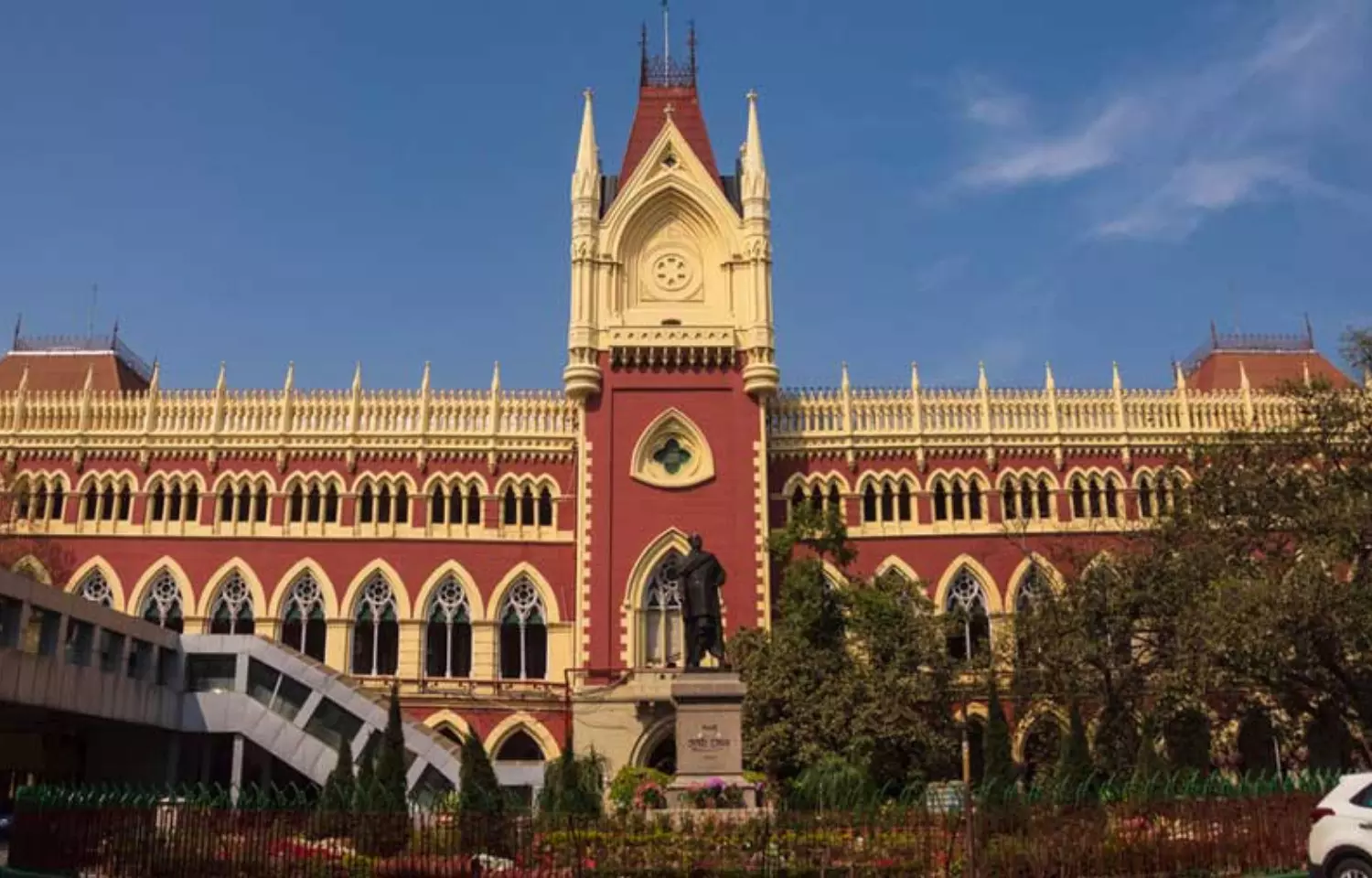


Kolkata: The Calcutta High Court has set aside an interim order that allowed a senior neurosurgeon to continue providing professional services at a private hospital despite the termination of his professional association with the hospital.
The dispute arose after Narayana Hrudayalaya Ltd, which runs Rabindranath Tagore International Institute of Cardiac Sciences, issued a termination/pre-closure notice in May 2026, bringing the neurosurgeon's professional association with the hospital to an end.
The doctor challenged the decision before the civil court, seeking specific performance of an oral agreement which, according to him, dated back to November 2005. He also challenged the termination notice as well as a professional services agreement dated April 2, 2025, claiming that the latter had never been executed, signed or consented to by him.
While the suit was pending, the trial court passed an ad interim injunction restraining the hospital from acting on the termination notice and from interfering with the doctor's services as a senior neurosurgeon. The hospital then approached the High Court against the order.
The hospital argued that the arrangement involved professional services and was dependent on the personal skills of the doctor. Such an arrangement, it submitted, was determinable in nature and could not be specifically enforced.
The doctor, meanwhile, argued that several patients undergoing treatment at the hospital were dependent on him for continued care. He also contended that the three-month period given for ending his association was insufficient.
While considering the dispute, the High Court noted that the doctor was an independent medical professional and was neither an employee nor an integral part of the hospital administration.
On the nature of such professional arrangements, the Court observed:
“A contract contemplating rendering of professional services by a doctor to a hospital is of a more limited nature, the perpetuation of which for an indefinite period is not envisaged in law.”
The Bench further observed:
“It is, thus, for the defendants to decide as to whom to continue with on their panel of doctors/neurosurgeons.”
The High Court also dealt with the argument that patients who had been under the doctor's treatment could be affected by the termination. It noted that the hospital maintained records concerning the ailments, history and condition of its patients, based on which doctors on its panel treated them.
The Court observed:
“There is no inter-personal privity of contract between the concerned doctor and the hospital's patients and it is only the hospital which is duty-bound to render proper services to the patient, at its own risk.”
The Bench was also not persuaded by the argument that three months was an inadequate period for bringing the professional association to an end. It noted that no material had been placed before it to show that the period was unreasonable.
The Court also referred to an email sent by the doctor in May 2026, in which he had sought three months to continue taking care of his patients. According to the Bench, this went against his subsequent argument that a three-month period was inadequate.
The High Court further noted that the doctor had since joined another hospital. It found that the circumstances did not make out a prima facie case for continuing the injunction.
The Bench also considered the hospital's ability to continue providing neurosurgical services to its patients. It noted that preventing the hospital from engaging another neurosurgeon while requiring it to continue with the existing arrangement could affect its functioning and patient-care services.
On whether such a professional relationship could be continued through an injunction, the Court observed:
"As discussed earlier, a contract of service is determinable by its very nature and cannot be perpetuated by injunction, which would tantamount to re-writing the contract itself. In the present case, the plaintiff's standing is on a much weaker footing, since the oral contract pleaded is not a contract of regular service or employment but a temporary agreement contemplating professional services to be rendered by the plaintiff to the patients of the concerned hospital, which, by its very nature, is determinable at the behest of the defendants."
The High Court ultimately found that the trial court's interim order could not be sustained and allowed the hospital's appeal.
"in view of the findings arrived at by this court on the other issues above, we find that the learned Trial Judge erred in law and in fact in granting ex parte ad interim injunction in a suit which is ex facie not maintainable, without adverting to such aspect of the matter at all. It is trite law that the maintainability of the suit in which the injunction order is sought is an essential component of the prima facie case to be made out for the grant of such injunction," the bench said.
In its final order, the Bench stated:
“Accordingly, the impugned order cannot be sustained and the present appeal succeeds.”
The High Court, however, clarified that the observations made in the judgment were tentative and should not influence the trial court while deciding the pending injunction application and the suit on their own merits.
The defendants were directed to file their written objections before the trial court by October 15, 2026.