Mumbai: 180 super-speciality doctors demand job regularisation and pay revision



Mumbai: 180 super-speciality doctors working in Mumbai's municipal peripheral hospitals have gone without a single salary increment for five years. Appointed as DNB Teachers’ Grade 1 and 2, they have been working on a contractual basis since April 2021 at a fixed monthly salary of ₹2 lakh, with their contracts renewed every six months after a mandatory one-day break.
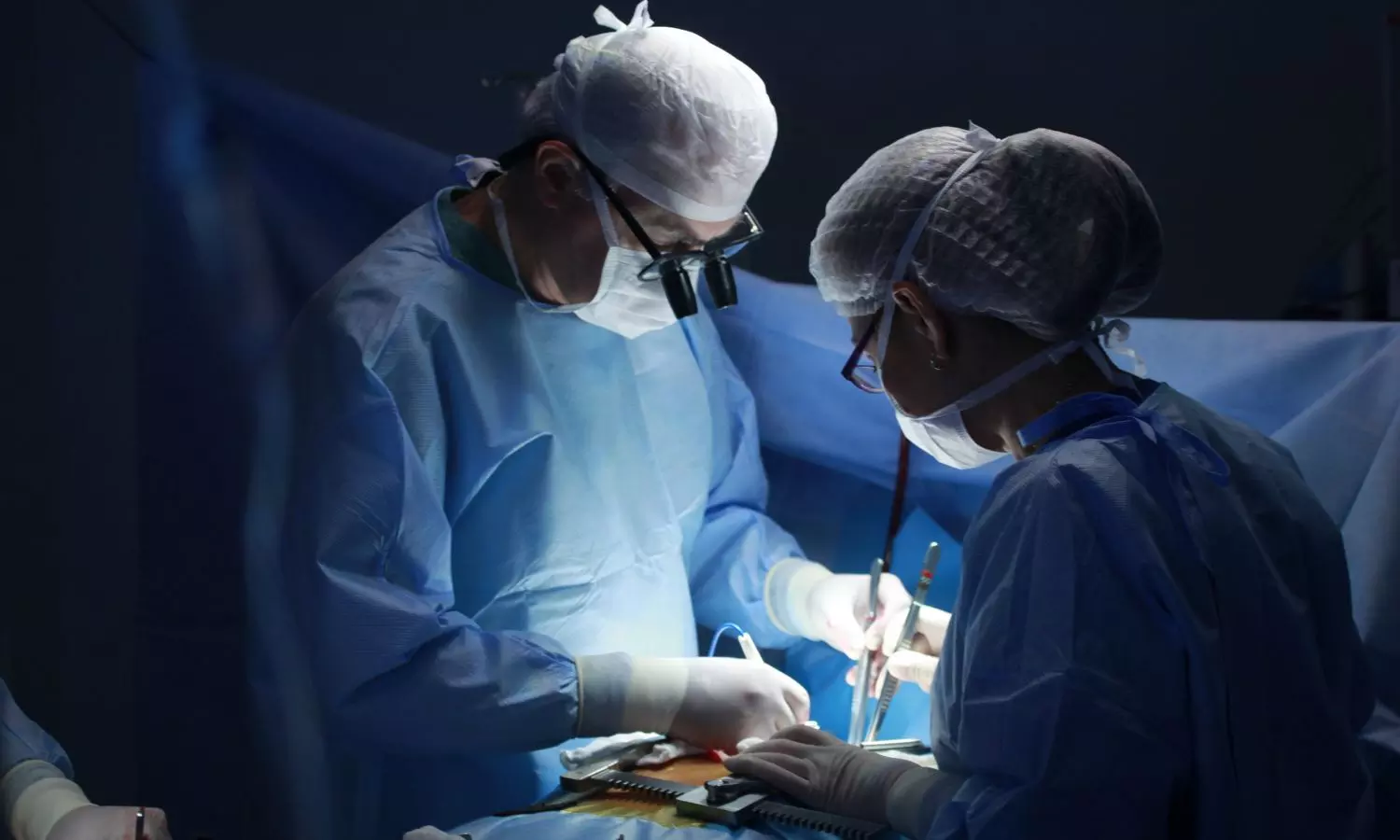
Following their selection in 2020, the doctors were appointed across civic-run hospitals under the Brihanmumbai Municipal Corporation (BMC). While they work under severe pressure, juggling clinical, academic, and teaching responsibilities, they continue to work on short-term contracts without pay revision.
The doctors are now demanding regularisation into full-time posts, citing the relief granted to thousands of Class 4 workers last year following a Supreme Court order.
According to a report by Hindustan Times, Dr Rajesh More, senior consultant in general surgery at Shatabdi Hospital, highlighted the situation. Having served the hospital in an honorary capacity since 2013, before being appointed on contract in 2021, he told HT, “In a year, we are allowed only 14 days of leave and have not received any increment.”
The doctors have also pointed out that in the past five years, civic hospitals have witnessed a significant increase in patient footfall and surgical workload. The consultant doctors are not only responsible for providing super-speciality care, but are also actively involved in running super-speciality courses and mentoring postgraduate medical students.
To provide relief to the contract-based doctors, former Rajya Sabha member Kumar Ketkar wrote to municipal commissioner Bhushan Gagrani in November 2025, urging the civic body to address the doctors’ concerns. He requested that the demands be considered with compassion so that health-care services “for nearly 2 crore Mumbaikars remained in skilled hands”.
Last week, a delegation of the affected doctors met Deputy Municipal Commissioner (public health) Sharad Ughade to present their grievances. “DMC heard our grievances and offered a positive assurance,” said More to HT.
The issue has once again brought attention to the employment structure of highly trained specialists in public hospitals, where contractual appointments continue despite growing service and academic responsibilities.