Mysuru neurologist provides 130 hours of monthly tele-neurology care to hospitals in US
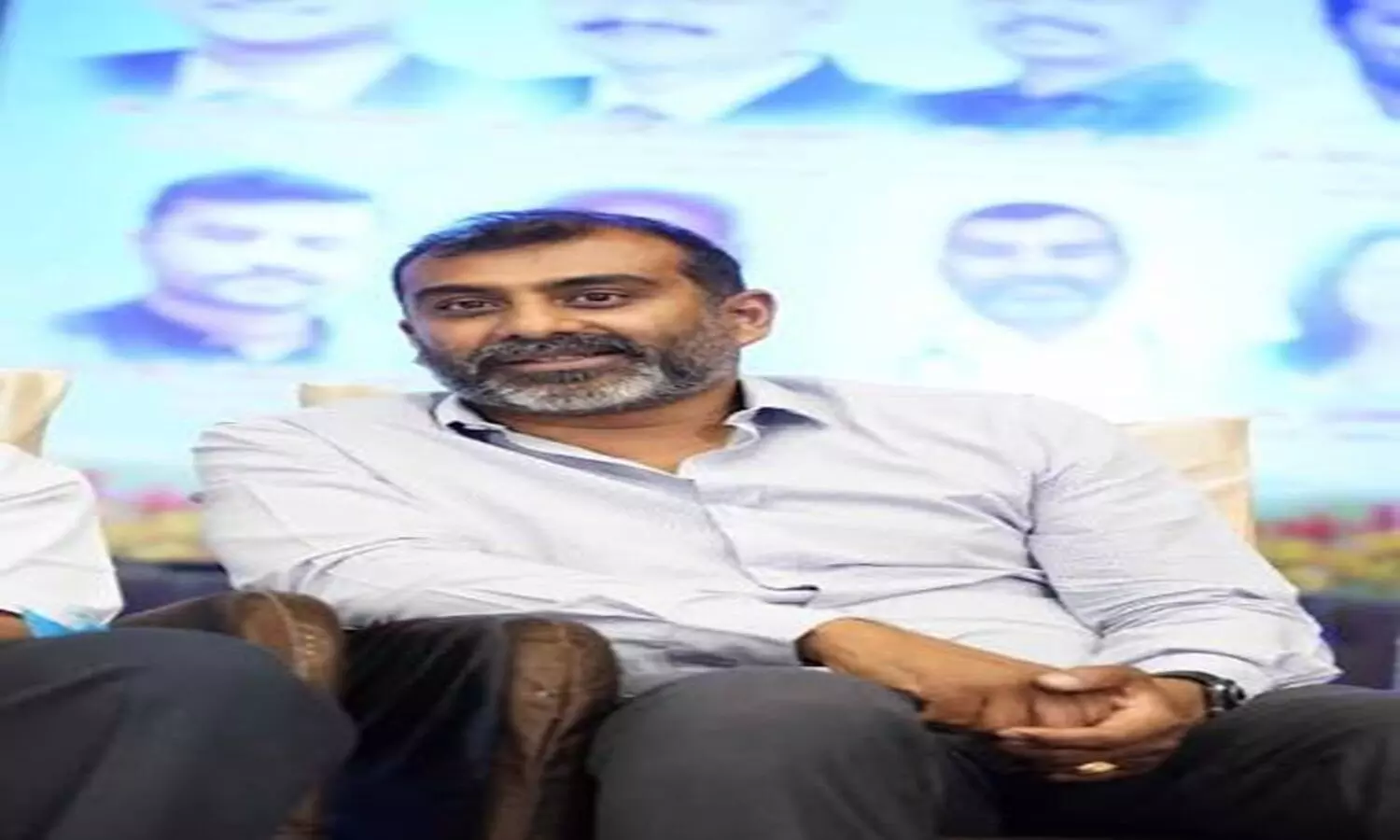


Mysuru: A Mysuru-based Neurologist, Dr Shushrutha Gowda, is providing real-time neurological care to patients located more than 15,000 km away in the United States through an advanced tele-neurology network.
Working from his clinic in Mysuru, Dr Gowda manages a wide range of neurological conditions, including routine consultations as well as medical emergencies such as acute ischaemic stroke, intracerebral haemorrhage, and subarachnoid haemorrhage.
According to the Daily, Dr Gowda is among a small group of Indian super-specialists offering tele-neurology services to patients in the United States. Every month, he devotes nearly 130 hours to providing emergency neurological consultations to hospitals across four central US states—Kansas, Missouri, Oklahoma, and Arkansas.
A neurologist with his vast experience in clinical neurology, research, and academic background, serves as the Managing Director of NeuroZone. His leadership skills are demonstrated by his stint as Associate Program Director-Neurology Residency and Neurovascular (Stroke) Fellowship-University of Florida; Stroke Director-University of New Mexico Hospitals; Stroke Director- Baptist Health Floyd, New Albany, Indiana, among others.
Dr Gowda pursued his MBBS from BLDE Medical College, Vijayapura, and migrated to the United Kingdom in 2002. He again moved to the US in 2005 to complete his neurology residency at the University of Florida. He started his career as the director (stroke) of the University of New Mexico and subsequently was appointed at Baptist Health, Kentucky, before returning to India in 2019.
Speaking to the Times of India, Dr Gowda said, “During my tenure at the University of New Mexico, we were part of an established telemedicine programme aimed at providing specialist neurological care to rural populations, which also included low-income communities, reservations and patients residing in remote and hilly regions. Through this network, I provided tele-neurology support to patients in nearly 25 hospitals.”
Focusing on super-speciality neurological services for the Mysuru region, he took some time off from telemedicine during the COVID pandemic. He resumed his teleneurology services to patients in the United States. “In the US, patients benefit from a strong social support system, which enables doctors to make treatment-related decisions within seconds,” he explained.
According to Dr Gowda, India could make much greater use of telemedicine if it receives strong institutional commitment and supportive policy frameworks. "India possesses enormous human resources. With appropriate training of the existing healthcare workforce and the establishment of an efficient telemedicine framework, the country's healthcare landscape can be transformed rapidly, particularly in improving access to specialist care in underserved regions," he said.