
PGI Chandigarh doctors develop first life-saving therapy for Celphos poisoning
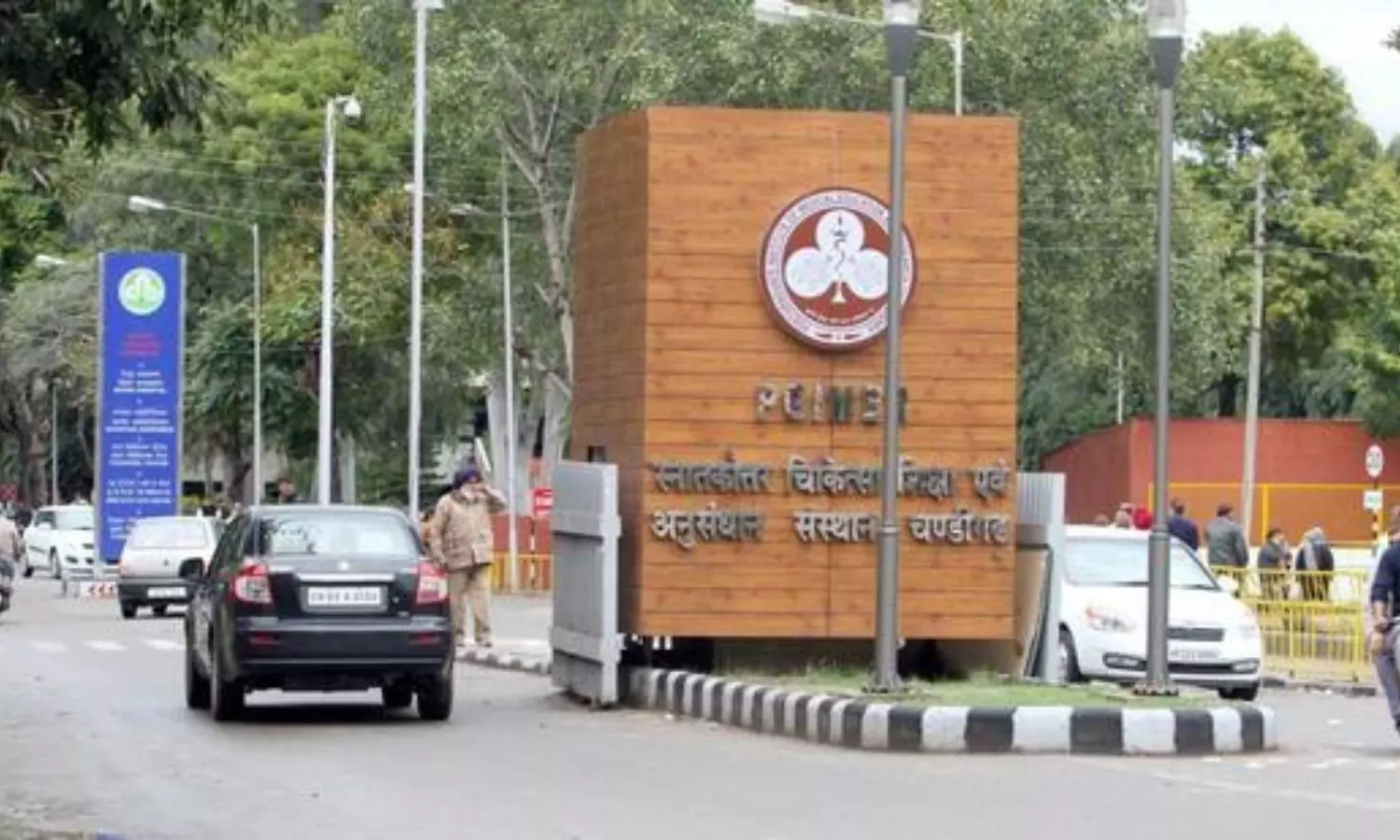
PGIMER, Chandigarh


Chandigarh: Doctors at the Postgraduate Institute of Medical Education and Research (PGIMER), Chandigarh, have reported a breakthrough in the treatment of poisoning due to aluminium phosphide, commonly known as Celphos, a lethal pesticide, officials said on Sunday.
The research, conducted in the Department of Internal Medicine at PGIMER, is the first clinical study to demonstrate the effectiveness of intravenous lipid emulsion as a novel life-saving therapy in this otherwise highly fatal condition, a PGIMER statement said.
The important findings have been published in the internationally reputed journal European Review of Medical and Pharmacological Sciences, bringing global recognition to the research.
The study was conducted under the guidance of Dr Sanjay Jain, Dean (Academics), Professor and Head of the Department of Internal Medicine, PGIMER, whose clinical leadership in emergency care played a crucial role in the management of these critically ill patients, according to the statement.
The research was funded by the Medical Education and Research Cell, PGIMER, underlining the institute’s strong institutional support for clinically relevant and socially impactful research.
This randomised clinical study was led by Dr Mandip Singh Bhatia, Associate Professor of Internal Medicine, PGIMER, who served as the primary investigator of the project.
Dr Saurabh Chandrabhan Sharda was the co-investigator, along with other authors from the Department of Internal Medicine, PGIMER, Chandigarh.
“The results of the study were highly encouraging. Patients who received intravenous lipid emulsion in addition to standard medical treatment showed a marked reduction in mortality, along with faster correction of severe metabolic acidosis, improved hemodynamic stability, and better outcomes in critically ill patients, including those presenting with shock and cardiac complications, reports PTI.
“The findings clearly demonstrate that early administration of this therapy can significantly alter the clinical course of aluminium phosphide poisoning,” the PGIMER statement said.
A major advantage of this novel treatment is its practicality, as intravenous lipid emulsion is inexpensive, widely available, and already stocked in most hospitals across India, including district hospitals and peripheral healthcare facilities.
Because of its low cost and easy availability, this therapy has the potential to save lives even in rural and far-flung areas, where the burden of Celphos poisoning is highest, and access to advanced critical care is often limited, the statement noted.
“Aluminium phosphide poisoning continues to be a serious public-health challenge, particularly in agricultural states such as Punjab, Haryana and Uttar Pradesh, which bear the maximum disease burden due to widespread use of this compound as a grain preservative. The availability of an effective, affordable and evidence-based treatment is therefore of immense importance for these regions,” it said.
The statement added that this important research once again highlights “PGIMER’s strong commitment to research focused on local diseases and local populations”.
