
AB PMJAY boosts access to complex spine surgeries, PGI study reveals
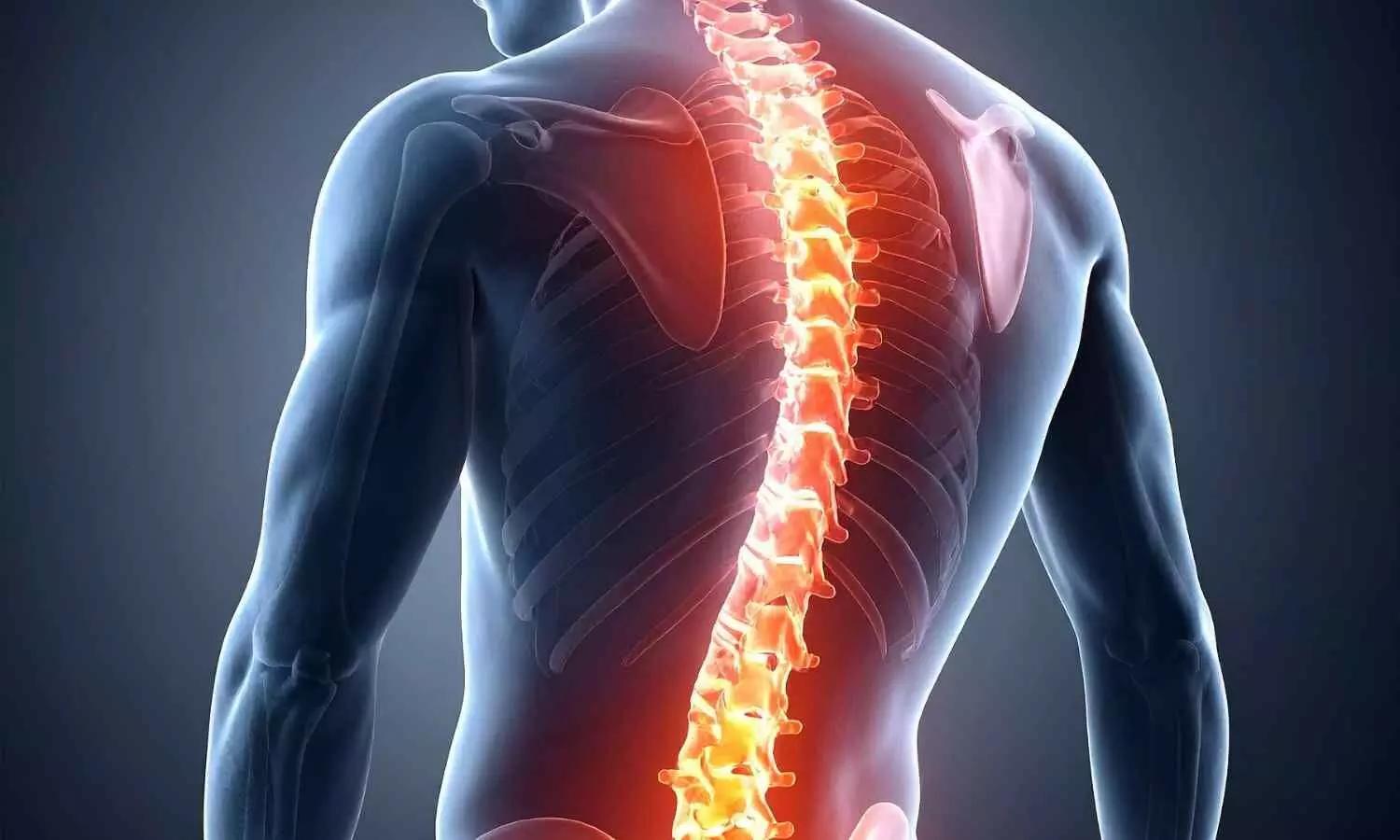


Chandigarh: A recent study conducted by the Postgraduate Institute of Medical Education and Research (PGIMER), Chandigarh, has shown that Ayushman Bharat Pradhan Mantri Jan Arogya Yojana (AB-PMJAY) has significantly improved access to complex spine surgeries and reduced the financial burden on economically vulnerable patients.
The research, titled 'Impact of Ayushman Bharat on access to spine surgery at a tertiary care centre in North India: A retrospective analysis', was published in the Journal of Clinical Orthopaedics and Trauma (2026).
Also Read:PGI Chandigarh clears over Rs 12 crore pending arrears for contractual workers
According to a recent PTI report, the study conducted by the Department of Orthopaedic Surgery, PGIMER, analysed spine surgeries performed between January 2023 and December 2024.
The findings show a substantial shift from self-financed spine surgeries to care funded under AB-PMJAY, underscoring the role of the scheme in reducing health costs for economically vulnerable patients who require expensive, implant-intensive procedures.
In a statement issued here on Tuesday, PGIMER Director Prof Vivek Lal said the study shows the transformative potential of publicly funded health insurance when aligned with strong institutional capacity.
"This study clearly demonstrates how Ayushman Bharat is reshaping access to advanced surgical care by removing financial barriers that once excluded large sections of society," Prof Lal said. He added that at PGIMER, the ability to pay no longer determines whether a patient receives complex, life-altering spine surgery.
The research analysed 410 spine surgeries. Out of these, 67.3 per cent (276 cases) were funded under AB-PMJAY, while 26.8 per cent (110 cases) were self-financed. The use of AB-PMJAY increased from 58.7 per cent in 2023 to 73.5 per cent in 2024. During the same period, self-paid procedures fell from 37.8 per cent to 18.9 per cent.
Degenerative spinal disorders represented the largest share of cases at 46.1 per cent, followed by traumatic spinal injuries at 33.4 per cent. The surgeries ranged from decompression to complex instrumented fusion procedures.
The study was conducted by Dr Vishal Kumar, Dr Sarvdeep Singh Dhatt and their team under the guidance of Prof Vijay Goni, Head of the Department of Orthopedics, PGIMER.
Dr Vishal Kumar noted that the team noted that spine surgery is among the most financially demanding areas of healthcare due to expensive implants, advanced imaging and prolonged hospital care, which traditionally placed it beyond the reach of many patients. "Our analysis shows AB-PMJAY has improved access across a broad range of spinal pathologies, while also reducing out-of-pocket expenditure," he said, reports PTI.
All procedures covered under the scheme used implants approved under predefined reimbursement packages, largely comprising domestically manufactured devices. No gross differences in early postoperative outcomes were observed.
The team emphasised that early intervention in spinal disorders can prevent permanent neurological deficits, reduce long-term disability and enable patients to return to productive social and economic roles. However, the study also cautioned that expanding coverage must be accompanied by robust clinical governance, continuous audit and adherence to evidence-based surgical indications to prevent over-utilisation and ensure equitable implementation.
Key policy priorities include the periodic revision of reimbursement packages, improved digital integration and inclusion of postoperative rehabilitation within insurance coverage.
Also Read:IMA Haryana calls off 19-day protest over pending dues, resumes Ayushman Bharat Services
