No prima facie gross dereliction: HC sets aside engineer's suspension in Bowring hospital wall collapse case
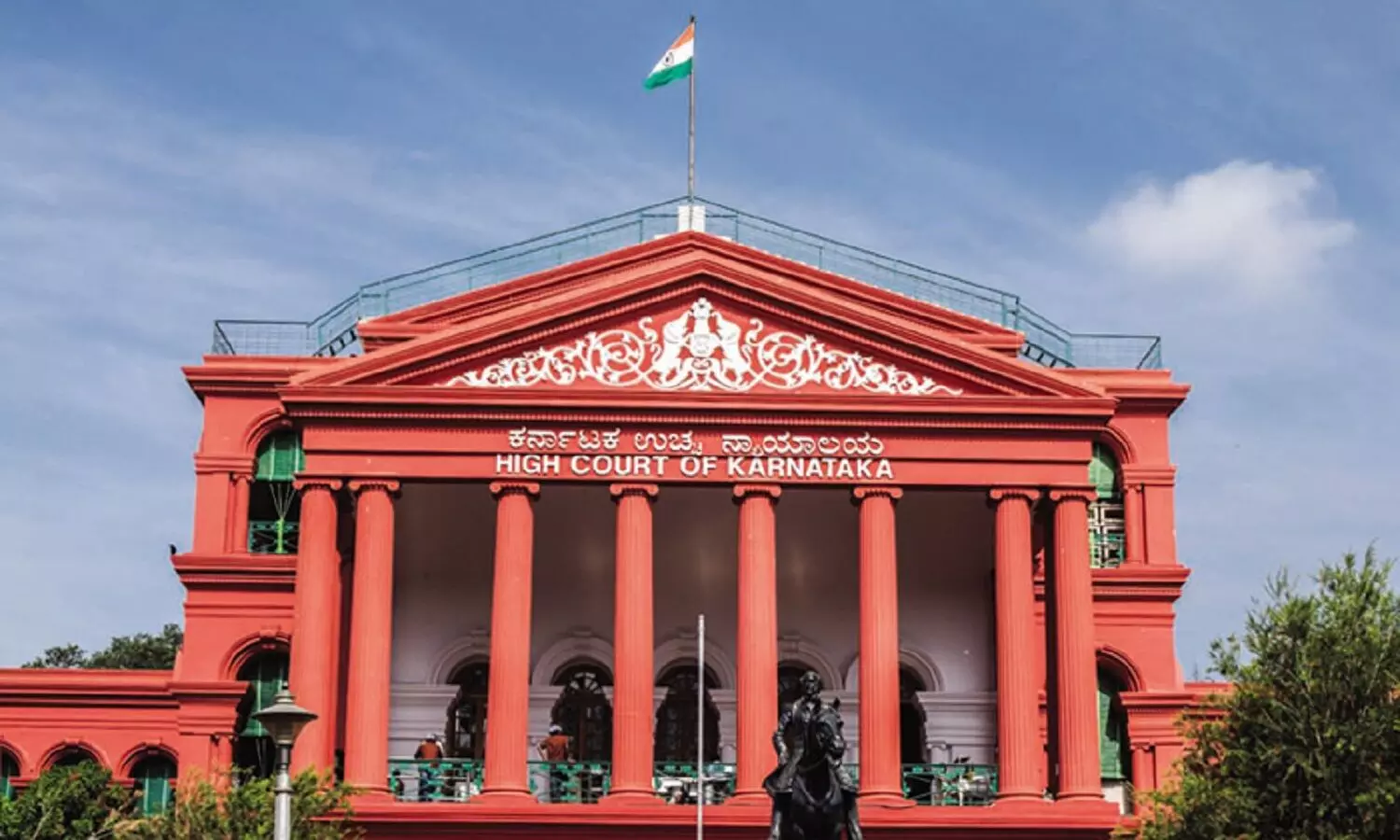
Karnataka High Court


Bengaluru: Following the tragic wall collapse at Bowring and Lady Curzon Hospital in Bengaluru that claimed seven lives, the Karnataka High Court on Thursday quashed the suspension of the executive engineer, observing that there was no prima facie evidence of gross dereliction of duty against him.
Medical Dialogues had previously reported that in a tragic incident, the compound wall of the Bowring and Lady Curzon Hospital in Shivajinagar, Bengaluru, collapsed, claiming the lives of seven people, including a six-year-old girl, and injuring seven others. The deceased include two women, four men, and a young girl. Of the seven injured, three are residents of Kerala who had come to Bengaluru for a visit, informed Deputy Commissioner of Police (East) Vikram Amathe.
Also Read:7 killed, several injured after Bengaluru hospital wall collapses during rain
According to the news reports, a vacation bench comprising Justices Suraj Govindaraj and K N Manmadha Rao quashed the suspension order issued on May 1 by the Principal Secretary of the Health and Family Welfare Department.
The bench said in its order, “In the present case, the event of the falling of the compound wall by itself does not create any prima facie evidence of gross dereliction against the petitioner, but it is only evidence of the falling of the compound wall, which, though tragic, at present, cannot be attributed to the petitioner on account of gross dereliction. Let alone prima facie evidence of gross dereliction,” reports the Indian Express.
The engineer had approached the High Court after the Karnataka State Administrative Tribunal declined to stay the suspension order on May 6.
Senior advocate P S Rajagopal, appearing for the petitioner, argued that under Rule 10(1) of the Karnataka Civil Services (Classification, Control and Appeal) Rules, 1957, suspension could only be ordered if there was prima facie evidence of gross negligence or dereliction of duty.
He submitted that no such evidence had yet been placed on record against the engineer.
He submitted that no such evidence had been produced against the petitioner and informed the court that the Public Works Department had already formed inquiry committees to investigate the incident and determine responsibility. He stated, “Without the said report being on record, implicating the petitioner, the petitioner could not have been suspended. Even if disciplinary proceedings are contemplated, it can only be after the committee report is received and only under the powers under the rules can be exercised.”
The state government opposed the plea, arguing that the collapse itself constituted sufficient grounds for suspension since he was the executive engineer in charge of the site. Government counsel also pointed to allegations that debris and mud dumped near the wall during construction activity may have contributed to the collapse.
The bench said, “There has to be prima facie evidence of gross dereliction of duty against him (petitioner). The usage of the word him would indicate that such evidence is required insofar as the officer who is proposed to be suspended and not the event itself. Two committees have been appointed; it is for the committees to submit their report, indicating if there is any gross dereliction of duty by the petitioner, and if that be so, the respondent would be able to exercise its powers under Rule 10 (1) (d). At present, we are of the opinion that such power could not have been exercised without application of mind recording a prima facie evidence of gross dereliction against the petitioner,” reports the Indian Express.
The court further observed that once the inquiry committees submit their reports, the government would remain free to initiate action if negligence is established.
Accordingly, the bench set aside both the suspension order and the tribunal’s earlier order.
Also Read:Karnataka High Court Rules Compulsory MBBS Bond Service Does Not Amount to Forced Labour