
India Gets Its First Dengue Vaccine as DCGI Approves Takeda's QDENGA
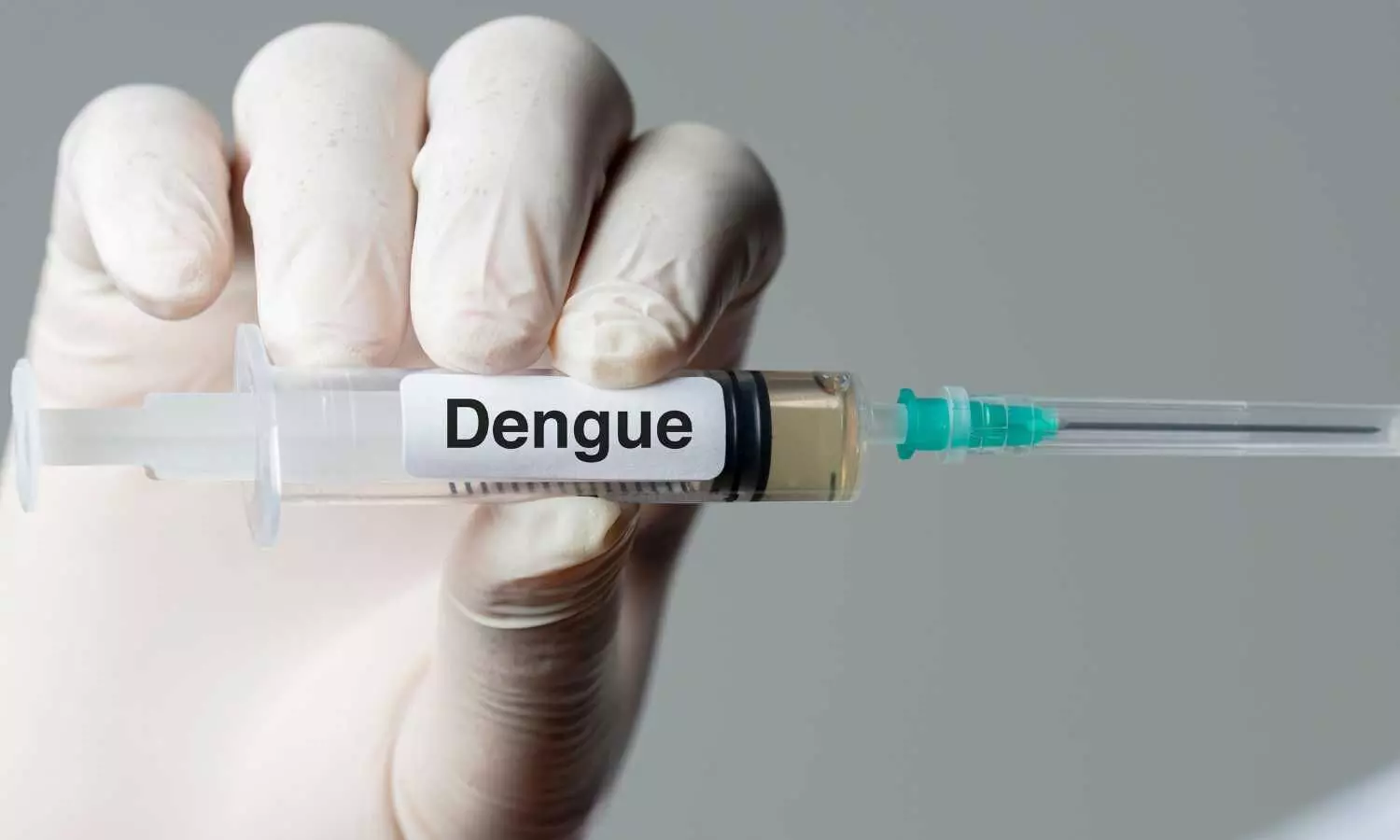


Takeda said QDENGA is recommended by the WHO for use in dengue-endemic settings.
New Delhi: Takeda Biopharmaceuticals India Pvt Ltd on Monday said it has received market authorisation from the Drug Controller General of India (DCGI) for dengue prevention vaccine, QDENGA.
QDENGA, the first dengue vaccine approved in India, is used for the prevention of dengue in individuals aged 4-60 years. It can be administered regardless of previous dengue exposure, without the need for pre-vaccination testing, said the company, an arm of Japan's Biopharmaceuticals major Takeda, in a statement.
"Since its launch in 2022, QDENGA has been approved in 43 countries, with more than 32 million doses distributed globally. This approval marks an important step forward in strengthening dengue prevention in India," said Mahender Nayak, Head of Intercontinental Markets, Takeda.
The latest seven-year data for QDENGA show continued protection against dengue infection and hospitalisation across all four serotypes; an important milestone for communities and health systems, he added.
The approval in India is based on results from Takeda's global clinical development programme, involving 19 Phase 1, 2 and 3 clinical trials with over 28,000 participants in both endemic and non-endemic regions, the company said.
It is also supported by data from a Phase III clinical trial (DEN-302) conducted in Indian participants, which evaluated the safety and immunogenicity of the vaccine in individuals aged 4-60 years, it added.
The vaccine is administered subcutaneously 0.5 ml as a two-dose regimen, with doses given three months apart.
India carries a substantial dengue burden, and all four dengue virus serotypes have been documented as co-circulating in several regions, said Goh Choo Beng, Medical Affairs Head Southeast Asia & India Cluster, Takeda.
"QDENGA is designed to protect against all four serotypes, regardless of prior exposure. Its approval represents an important step in strengthening India's comprehensive approach to dengue prevention, alongside vector control, surveillance, community awareness and other public health measures," Beng added.
The company said QDENGA is recommended by the WHO for use in dengue-endemic settings and supports its introduction in public immunisation programs in areas with high transmission,without the need for pre-vaccination screening.
The vaccine has also received WHO prequalification, confirming it meets global standards for quality, safety and efficacy, and enabling eligibility for procurement through international agencies such as UNICEF and PAHO to support wider access, it added.
Dengue, a mosquito-borne viral disease, poses a significant global public health threat, with prevalence in over 125 countries. India accounts for nearly one-third of the global dengue burden, the company said.
Millions of Indians remain at risk each year due to widespread endemicity, rapid urbanisation and climate-related factors that drive mosquito proliferation, it added.
