
New Evidence Points to Diagnostic Disparity in Ovarian Cancer Blood Test
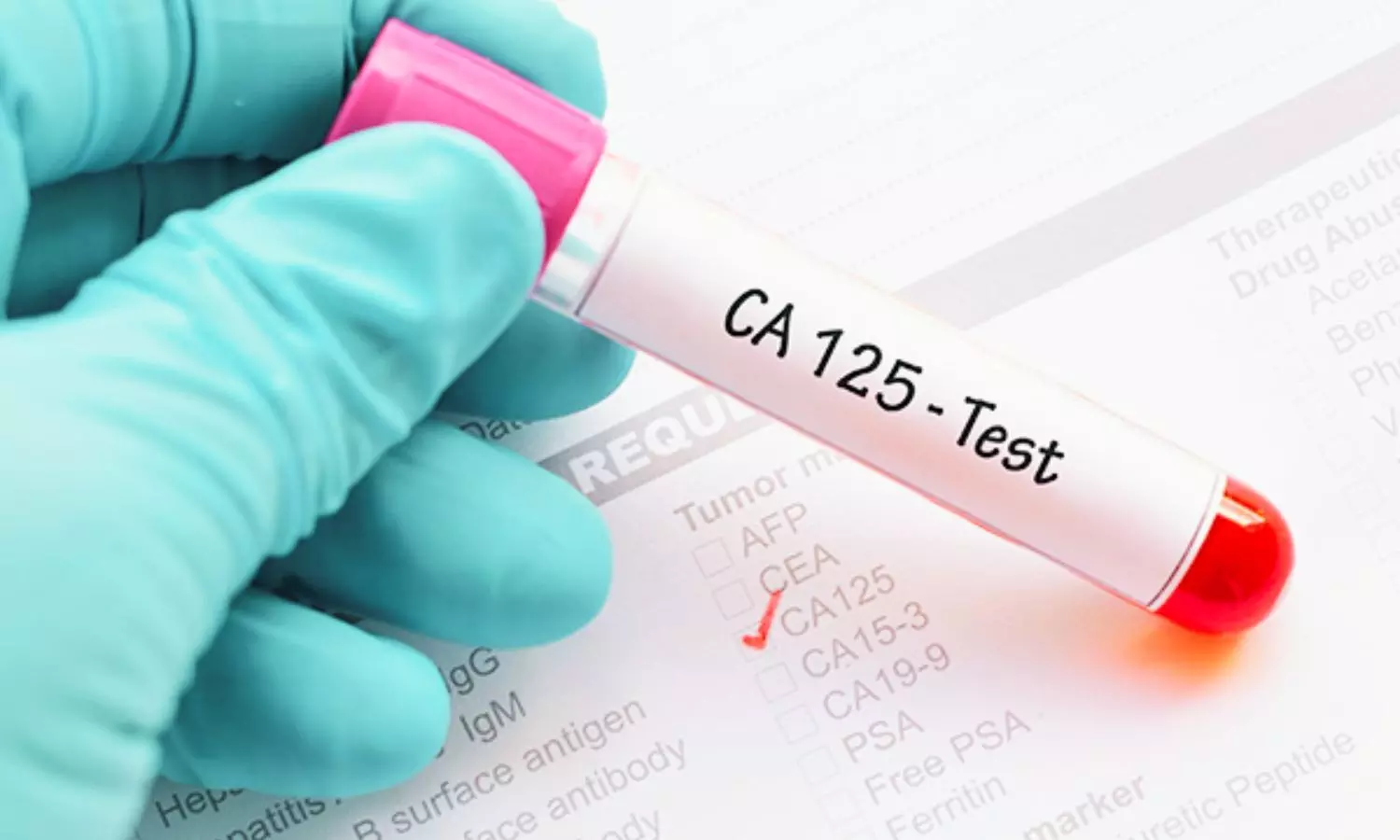


Unpacking the CA-125 Test: A Lifesaving but Imperfect Tool
CA-125 is a blood marker that has been a cornerstone in the early detection of ovarian cancer for decades. International guidelines use CA-125 thresholds to decide who should be urgently referred to a gynecologic oncologist, aiming to catch cancer early and improve survival rates. But what if this "universal" test isn’t equally effective for everyone?
The Study: Are We Missing Some Patients?
Researchers analyzed data from over 250,000 ovarian cancer patients across the U.S. (2004-2020) to explore whether CA-125 levels at diagnosis differ by race and ethnicity—and if these differences impact how quickly patients get life-saving treatment. With 88% of patients showing elevated CA-125 levels at diagnosis, the marker appears reliable at first glance. But a deeper dive revealed troubling patterns.
Key Findings: Disparities in Detection and Delays in Care
Black and American Indian patients were 23% less likely to have an elevated CA-125 at diagnosis compared to White patients, even after accounting for cancer stage, menopause status, and other health factors.
For high-grade serous ovarian cancer (the most common and aggressive type), Black patients still had lower odds of an elevated CA-125.
Patients with false-negative CA-125 results (levels considered "normal" despite having cancer) started chemotherapy on average 9 days later than those with elevated results.
Black and Hispanic patients, as well as Medicaid recipients and those with lower income, also faced longer waits to begin chemotherapy.
The current CA-125 threshold (35 U/mL) was developed from predominantly White populations in Boston and Minnesota, raising concerns about its sensitivity in more diverse groups.
Why Does This Matter?
Guidelines that rely on standard CA-125 cutoffs may unintentionally miss ovarian cancer in Black and American Indian women, contributing to later diagnoses and delayed treatment. With ovarian cancer’s subtle symptoms and high stakes for early intervention, even a modest delay can impact survival. The findings call for a re-examination of CA-125 thresholds to ensure that all patients—regardless of race—get timely, accurate diagnoses.
Moving Toward More Inclusive Care
As the U.S. becomes more diverse and multiracial, it’s crucial for medicine to adapt. This study is a wake-up call: one-size-fits-all diagnostics can perpetuate disparities. Future research must focus on creating and validating CA-125 thresholds that work for everyone, not just the majority.
Key Takeaways
Black and American Indian women with ovarian cancer are less likely to have elevated CA-125 levels at diagnosis.
False-negative CA-125 results are linked to delayed chemotherapy initiation.
Current CA-125 guidelines may miss or delay diagnosis in racially diverse populations.
Revising CA-125 thresholds could lead to earlier, more equitable ovarian cancer detection.
Medical guidelines must evolve to address health disparities as our population grows more diverse.
Citation:
Smith AJB, Gleason E, Kadiyala S, Wang X, Howell EA, McCarthy AM. Cancer Antigen 125 Levels at Time of Ovarian Cancer Diagnosis by Race and Ethnicity. JAMA Network Open. 2025;8(3):e251292. doi:10.1001/jamanetworkopen.2025.1292
