
Adverse Pregnancy Outcomes Linked to Higher Long-Term Peripheral Artery Disease Risk: Study
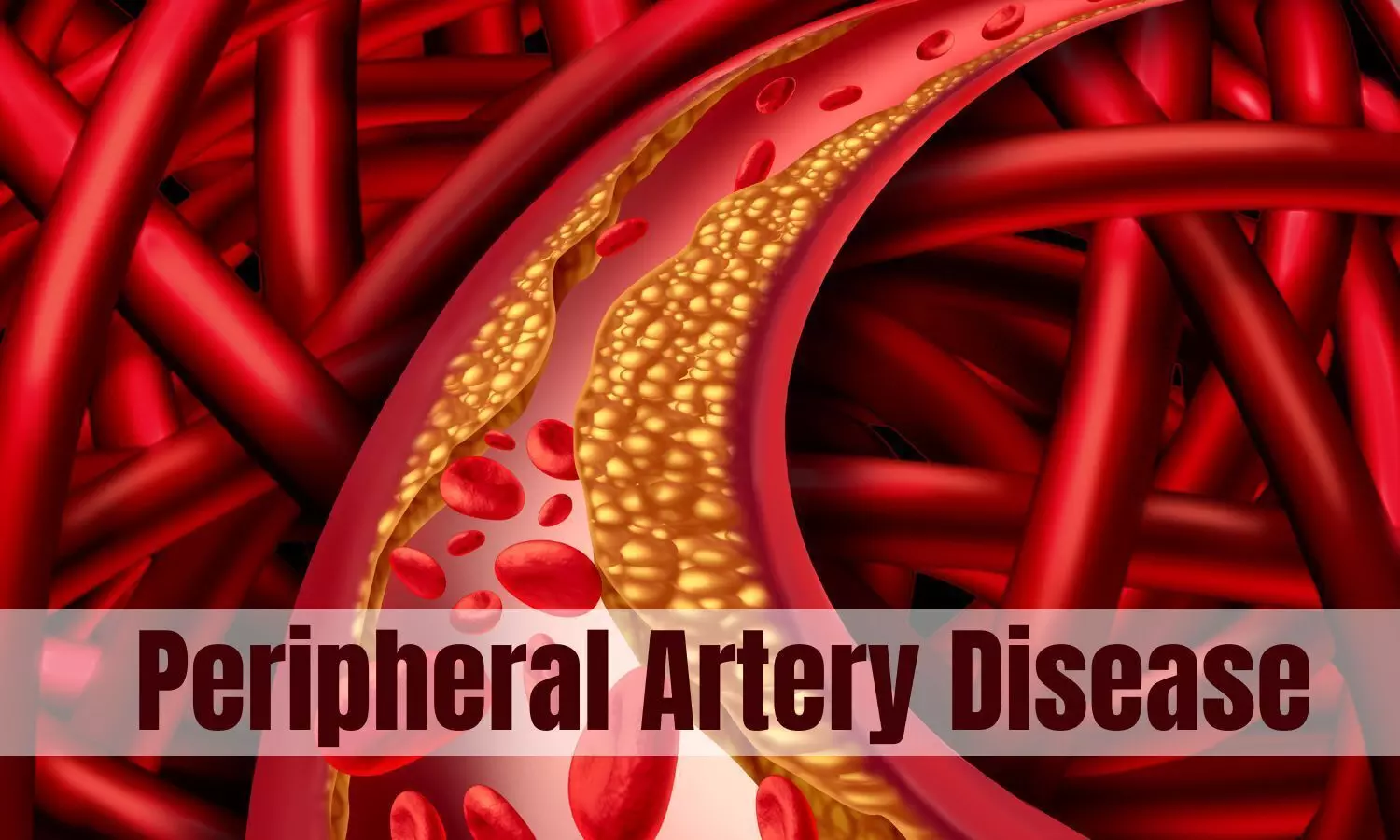


Sweden: A large Swedish cohort study involving more than 2 million deliveries has found that five major adverse pregnancy outcomes were independently associated with an increased risk of developing peripheral artery disease (PAD) later in life. The associations persisted in co-sibling analyses, suggesting that shared familial and genetic factors were unlikely to fully explain the increased risk. The findings support lifelong cardiovascular risk assessment and clinical follow-up for women who experience major pregnancy complications.
The study, published in PLOS Medicine, was led by Casey Crump from the Department of Family and Community Medicine and the Department of Epidemiology at The University of Texas Health Science Center, Houston, along with colleagues. The researchers noted that although adverse pregnancy outcomes have previously been linked to cardiovascular disease, their relationship with PAD has remained uncertain. They aimed to evaluate the long-term risk of PAD after major pregnancy complications and determine whether shared familial factors contributed to these associations.
The nationwide population-based study included 2,201,446 women with singleton deliveries in Sweden between 1973 and 2015. Participants were followed through 2018 using linked national health registers, contributing approximately 54 million person-years of follow-up. During this period, 13,211 women (0.6%) were diagnosed with peripheral artery disease (PAD) at a median age of 62 years.
The researchers evaluated five major adverse pregnancy outcomes—preterm delivery, small-for-gestational-age birth, preeclampsia, other hypertensive disorders of pregnancy, and gestational diabetes. Analyses were adjusted for maternal age, parity, body mass index, smoking, socioeconomic status, and pre-existing hypertension, diabetes, and hyperlipidemia.
The study revealed the following findings:
- All five major adverse pregnancy outcomes were independently associated with a significantly higher long-term risk of peripheral artery disease (PAD).
- Gestational diabetes was associated with the highest risk, increasing the likelihood of PAD nearly fourfold 30–46 years after delivery (adjusted HR: 3.83).
- Delivering a small-for-gestational-age infant was linked to a 74% higher risk of PAD (adjusted HR: 1.74).
- Preterm delivery and other hypertensive disorders of pregnancy were each associated with approximately a 60% increased risk of PAD (adjusted HRs: 1.58 and 1.61, respectively).
- Preeclampsia was associated with a 28% higher long-term risk of PAD (adjusted HR: 1.28).
- Women with multiple adverse pregnancy outcomes had a progressively higher risk of developing PAD than those with a single complication.
- Co-sibling analyses showed that the associations were largely independent of shared familial, genetic, or environmental factors, supporting a potential direct link between adverse pregnancy outcomes and future PAD risk.
The authors acknowledged that the study was limited to Sweden, which may affect the generalizability of the findings. In addition, PAD was identified using diagnostic codes, raising the possibility of some misclassification.
Overall, the findings suggest that adverse pregnancy outcomes may be early markers of future vascular disease. The researchers recommend early cardiovascular risk assessment, preventive strategies, and long-term follow-up for women with major pregnancy complications to help reduce the risk of PAD and other cardiovascular diseases.
Reference:
Crump C, Wei J, Sundquist J, Sundquist K (2026) Adverse pregnancy outcomes and long-term risk of peripheral artery disease: A cohort study. PLoS Med 23(7): e1004821. https://doi.org/10.1371/journal.pmed.1004821

Next Story