Bacterial Vaginosis and HPV: New Evidence Shows Synergistic Risk for High-Grade Cervical Lesions
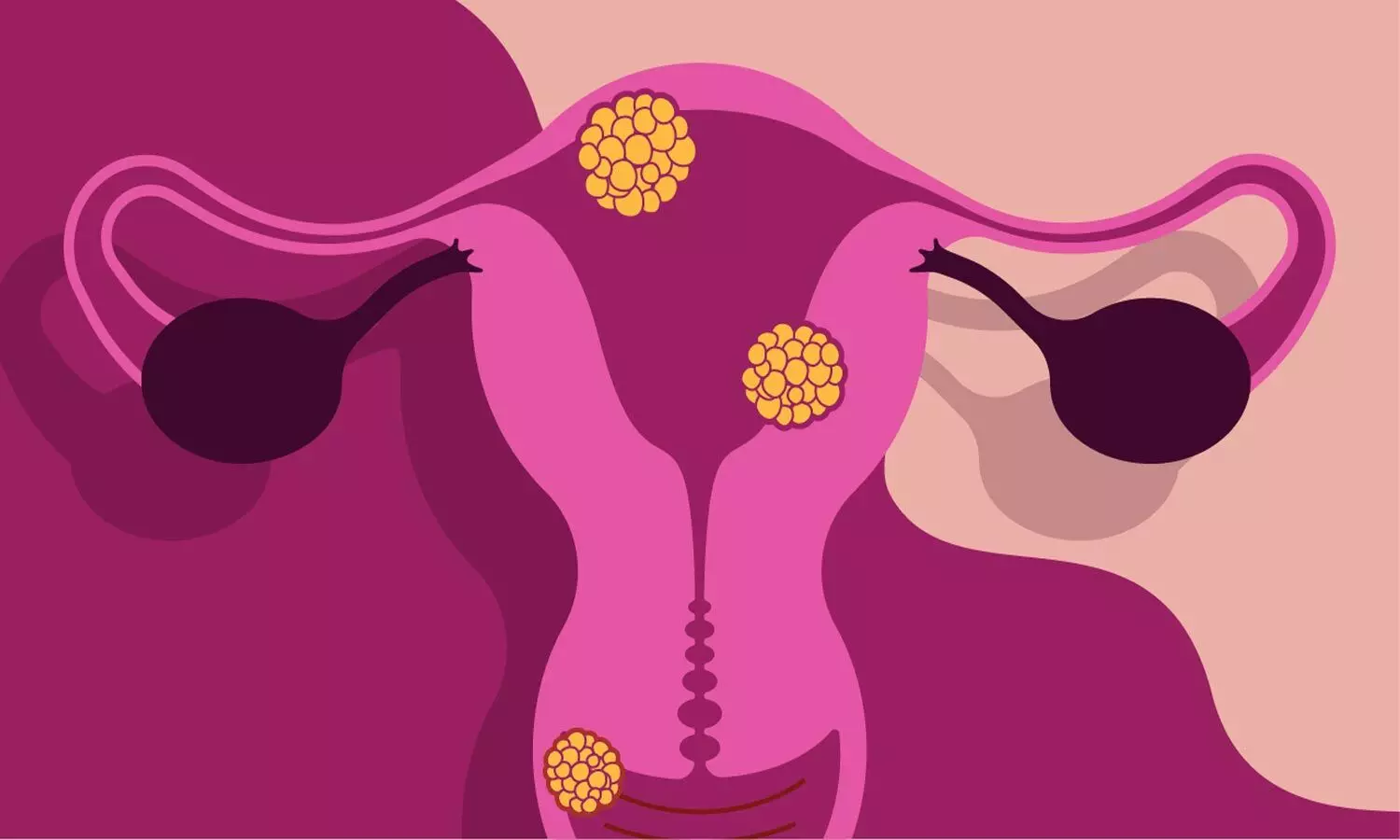


A patient with persistent abnormal cervical cytology—yet her HPV status and vaginal health seem routine. Could something as common as bacterial vaginosis (BV) be tipping the scales? A new study in BMC Women's Health explores the interplay between BV, HPV infection, and cervical lesion severity, revealing new clinical insights.
BV and HPV: A Common but Overlooked Combination
BV is the most frequent vaginal microbiome imbalance, marked by reduced protective Lactobacillus and an overgrowth of anaerobic bacteria. While persistent high-risk HPV infection is a well-known driver of cervical cancer, this study investigates how BV might influence not just HPV infection, but also the grade of cervical lesions detected on cytology.
Study Design: Real-World Data from Southeastern China
Researchers retrospectively analyzed clinical data from 1,427 women who underwent cervical cancer screening—including BV testing, HPV genotyping, and cytology—over three years. The population included both outpatients and inpatients, with HPV and BV status determined via standard diagnostic protocols.
Key Findings: BV Linked to Multiple HPV Infections and Higher-Grade Lesions
BV-positive women were significantly more likely to have dual or multiple HPV infections (37.1% vs. 27.4% in BV-negative patients).
The prevalence of BV increased sharply with lesion severity: just 10.5% in women with negative cytology, but 46.4% in those with high-grade squamous intraepithelial lesions (HSIL).
In BV-positive women, multiple HPV infections were particularly associated with ambiguous cytology (ASC-US), likely reflecting both viral and inflammation-driven cellular changes.
Multivariable Analysis: BV and Multiple HPV Infections as Independent Risk Factors
After adjusting for age and HPV infection status, both BV positivity and multiple HPV infections independently correlated with progressing cervical lesion severity. Notably, age alone was not a significant risk factor in this model. The findings suggest that BV may disrupt the vaginal microenvironment, promoting persistent HPV infection and lesion progression—though causality cannot be confirmed without prospective studies.
Why Does This Matter for Clinical Practice?
While the study is regional and retrospective, it reinforces the importance of considering vaginal microbiota health in cervical cancer screening and risk stratification. For clinicians, BV testing and management may become an important adjunct for women at risk—especially those with persistent or multiple HPV infections.
Conclusion
This research underscores the complex relationship between the vaginal microbiome, viral infection, and cervical pathology. Monitoring and addressing BV in HPV-positive women may help refine cervical cancer prevention strategies, but further prospective research is essential before changes in clinical protocols are warranted.
KEY TAKEAWAYS
BV is significantly associated with both multiple HPV infections and higher-grade cervical lesions.
Women with BV were more likely to have ambiguous or high-grade cytology results.
Both BV positivity and multiple HPV infections are independent risk factors for lesion progression.
Age was not a significant risk factor for lesion severity in this study.
BV testing could become a useful tool for risk stratification in cervical cancer screening, pending further research.
Citation: Wang K, Lin L, Lin H, Chen Z. Correlation analysis of bacterial vaginosis with HPV infection and different grades of cervical lesions. BMC Women's Health. 2026;[Epub ahead of print]. DOI: https://doi.org/10.1186/s12905-026-04631-8