Intracervical Foley Catheter and PGE2 Gel Equally Effective for Cervical Ripening and Labor Induction: Study
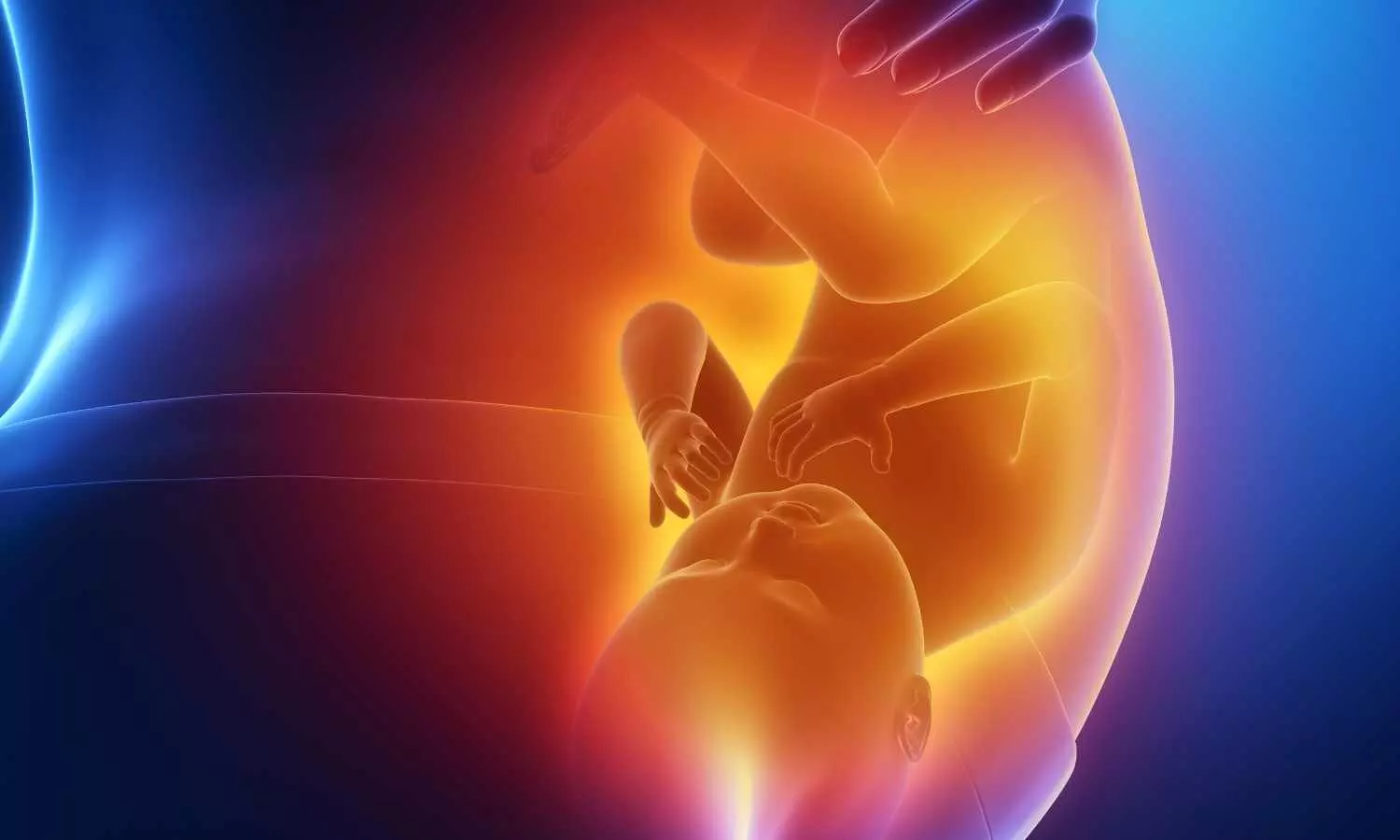


Cervical ripening is the process of inducing effacement and dilation in order to prepare cervix for the induction of labour. The consistency, compliance, and shape of cervix are the major factors responsible for successful induction of labour. With Low Bishop's score, failure rate is high which may result in increasing rate of caesarean deliveries, maternal infection. Therefore, a quick and efficient approach for cervical ripening prior to induction is useful. This research compared the effectiveness of PGE2 gel with an intra-cervical Foley's catheter for cervical ripening prior to induction. These two groups' induction-delivery intervals, mother and foetal outcomes, and requirement for labour augmentation were also contrasted.
The study was conducted in the Dept. of obstetrics and gynaecology, at Dr. D.Y. Patil hospital from March 2021 to September, 2022. 50 patients fulfilling the inclusion criteria were included in the study in each group randomly. A valid written informed consent was taken from the patients. Patient selection for induction was done on basis of history, previous ultrasound findings and clinical features. Bishop score was calculated by pelvic examination which included the cervical consistency, effacement, position, dilatation and station of the presenting part. Cephalopelvic disproportion is ruled out. PGE2 gel was used-intra cervically and vaginally (posterior fornix) except in previous LSCS patients. The patients were monitored for 6 hrs. If the patient failed to progress either re-installation of PGE2 gel or oxytocin augmentation was considered.
Majority of the patients from both groups were Primigravida (86% and 56%). Mean Bishop’s score (at 0 hour, 6 hours, 12 hours and 18 hours) was higher for PGE2 gel group of patients compared to Foley’s catheter group of patients. Good outcome was seen in 92% patients from PGE2 gel group and 84% patients from Foley’s catheter group. Difference between two groups was not significant (p value 0.218).
Intra-cervical Foley’s is one of the methods of induction which is equally significant. It is cost effective with relatively less complications like hyper stimulation of uterus. From this study it is known that intra-cervical Foley’s and PGE2 gel are almost equally effective in cervical ripening and induction of labour. Though slightly inclined towards PGE2 gel.
Source: Bali et al. / Indian Journal of Obstetrics and Gynecology Research 2026;13(2):327–331