
Late-Preterm PPROM Linked to Higher Neonatal Morbidity Than Term PROM: Study
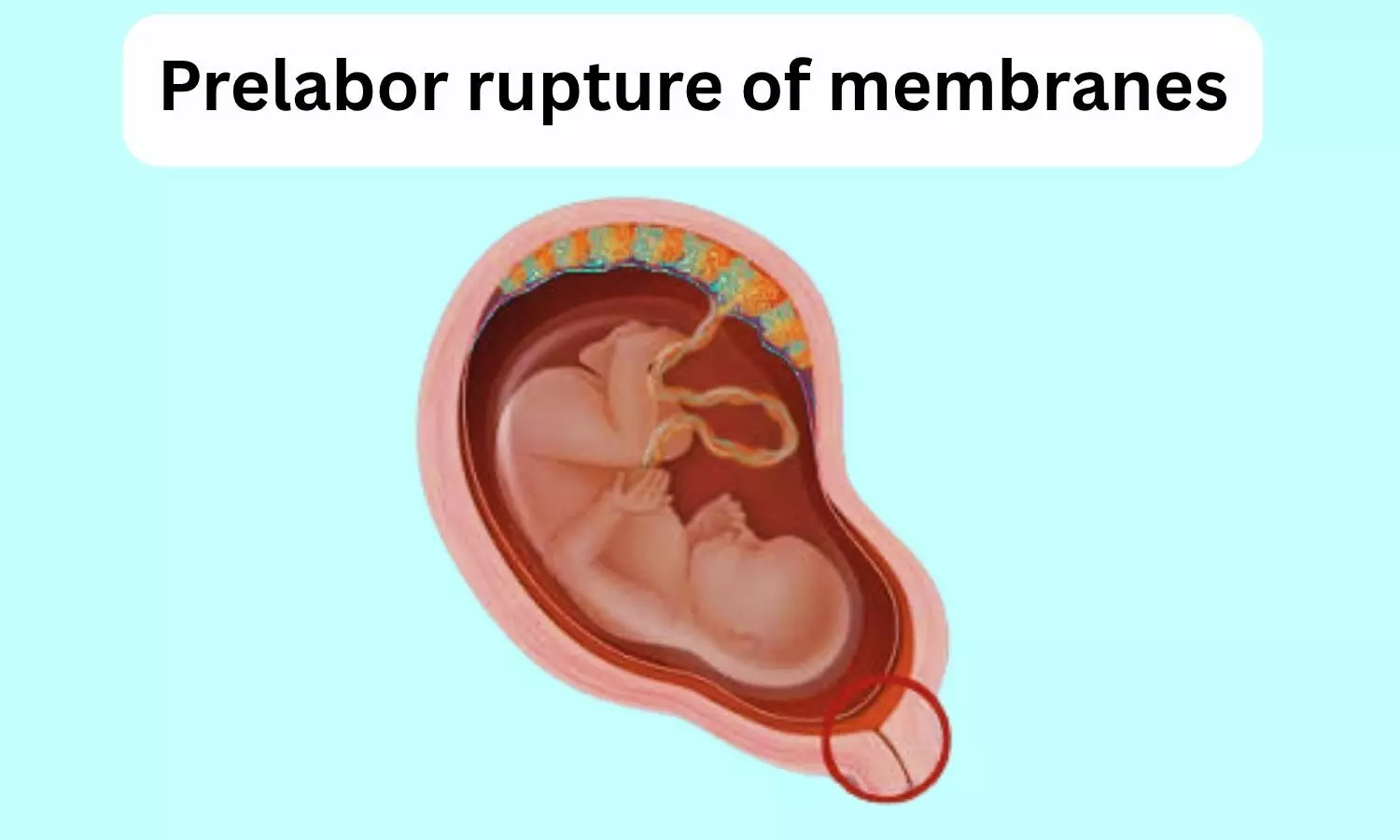


Prelabor rupture of membranes (PROM) is a familiar but complex clinical challenge, and the timing of rupture dramatically shapes risks for both mother and baby. A new study in BMC Pregnancy and Childbirth directly compares outcomes for women with preterm prelabor rupture of membranes (PPROM) at 34+0–36+6 weeks versus those with PROM at term (≥37 weeks). The findings underscore the importance of thinking beyond “just a few weeks’ difference.”
Study Design: Who Was Studied and What Was Compared?
Researchers reviewed 646 singleton pregnancies with PROM after 34 weeks—splitting them into two groups:
PPROM at 34+0–36+6 weeks (n=334)
Term PROM at ≥37 weeks (n=312)
Key maternal, obstetric, and neonatal outcomes were examined, including infection rates, respiratory morbidity, NICU admissions, and birth weights.
Neonatal Outcomes: Late Preterm Is Not Almost Term
Despite similar rates of maternal infection, the late-preterm PPROM group had:
Much higher NICU admission rates (25.7% vs 6.7%)
Significantly more respiratory complications (14.5% vs 3.5%)
Increased rates of early neonatal sepsis, jaundice, and need for oxygen/CPAP
Lower birth weights (average of 2,617g vs 3,170g)
Multivariable analysis confirmed that being in the late-preterm group independently increased the risk of NICU admission and respiratory morbidity by over fivefold—even when accounting for other factors.
Maternal Outcomes: Infection Risk Not Significantly Increased
Surprisingly, maternal infectious morbidity—such as chorioamnionitis, endometritis, and sepsis—was not significantly different between PPROM at 34–36+6 weeks and term PROM. Both groups had low rates of severe maternal complications, even though the late-preterm group had longer latencies from rupture to delivery.
The Takeaway for Clinical Practice
Late-preterm PPROM (34–36+6 weeks) is NOT just an early version of term PROM. Neonatal risks—especially for respiratory complications and intensive care—remain substantial.
Maternal risk profiles may be similar, supporting individualized expectant management in selected cases, but neonatal vulnerability should guide counseling and care decisions.
Antenatal corticosteroids were associated with lower odds of NICU admission and respiratory morbidity in exploratory analyses, echoing recent clinical trials.
Conclusion
This study highlights the need for nuanced, gestational-age-specific management rather than a one-size-fits-all approach. Recognizing the distinct risks for late-preterm infants after PPROM can help clinicians balance maternal and neonatal outcomes more effectively.
Key Takeaways:
PPROM at 34–36+6 weeks is associated with much higher neonatal morbidity compared to term PROM.
Major risks include NICU admission, respiratory complications, and early infection—not just lower birth weight.
Maternal infectious morbidity remains similar between late-preterm and term PROM.
Gestational age at membrane rupture is a key independent predictor of neonatal outcomes.
Careful, individualized management—potentially including antenatal steroids—can help optimize outcomes.
Citation:
Ay O, Bahçeci P, Taşkıran D, Gezginç K. Comparison of obstetric, maternal, and neonatal outcomes between preterm prelabor rupture of membranes at 34+0–36+6 weeks and term prelabor rupture of membranes at ≥37 weeks. BMC Pregnancy and Childbirth. 2026; [Epub ahead of print]. doi:10.1186/s12884-026-09511-5
