
Lidocaine-Supplemented Epidural Analgesia Lowers Maternal Fever During Labor: New RCT Insights
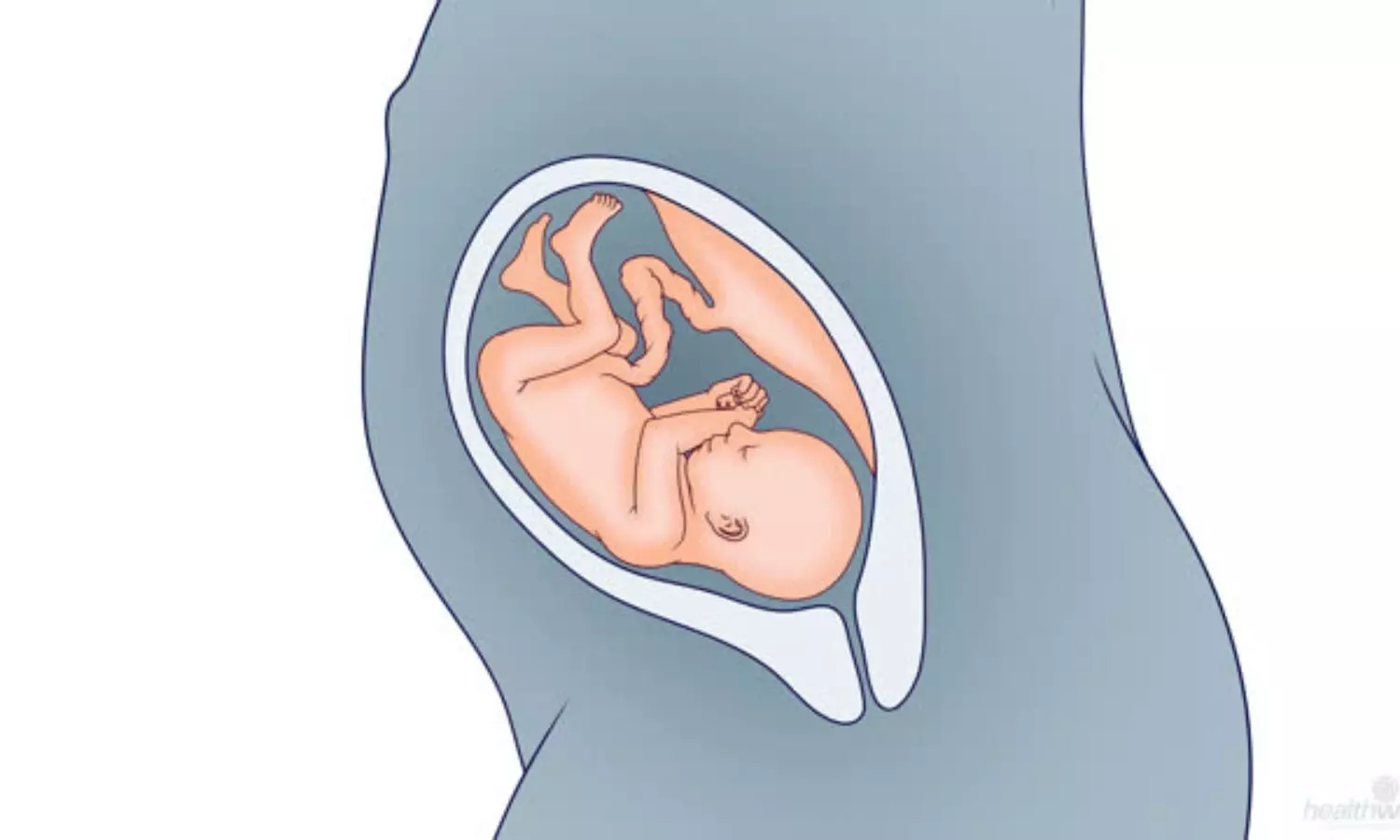
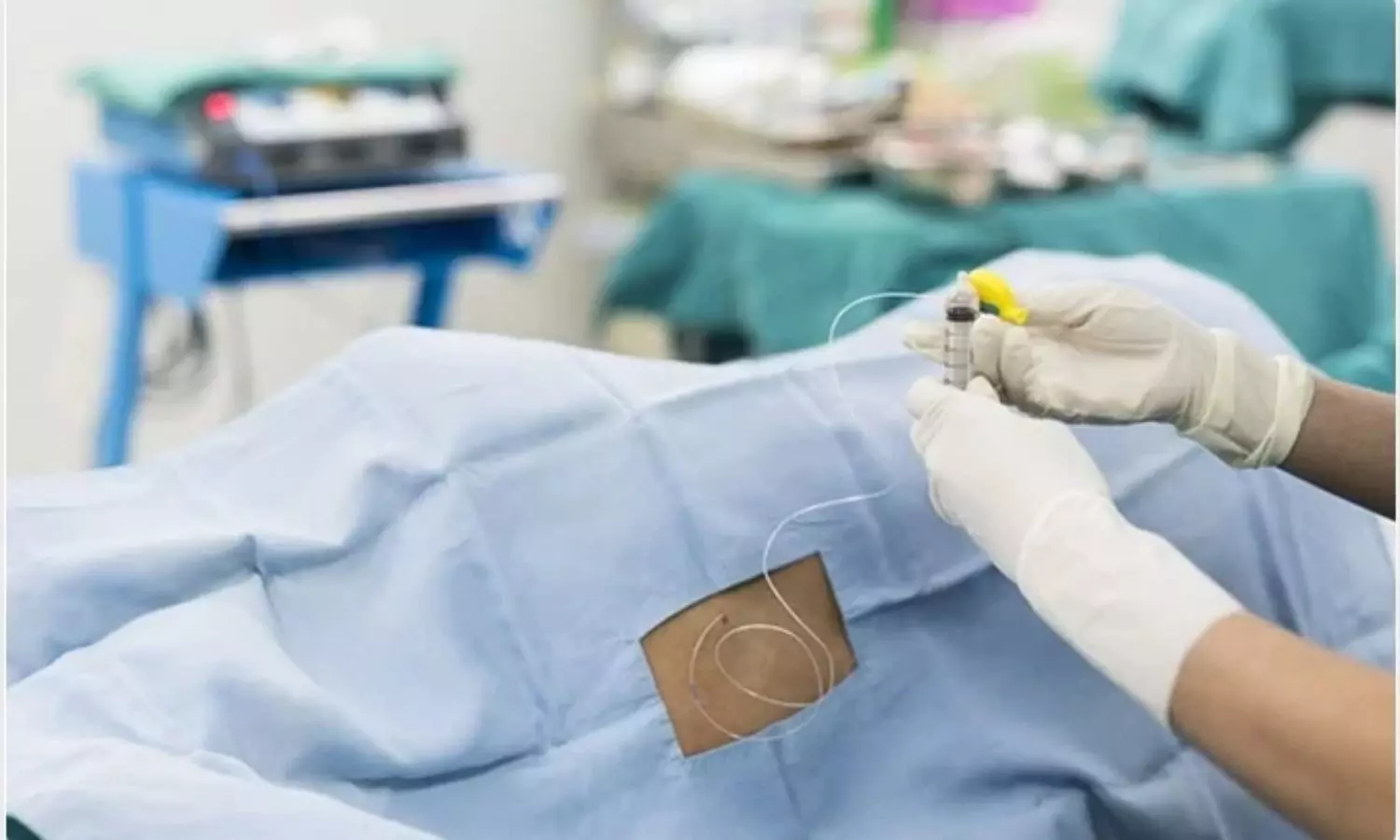


How can we best protect mothers and babies from intrapartum fever during labor? Maternal fever during labor is a persistent clinical challenge, linked to increased risks for both mother and neonate. Recent evidence suggests a straightforward modification to epidural protocols could make a real difference.
Background: Maternal Fever and Epidural Analgesia
Epidural analgesia remains the gold standard for labor pain relief, but it’s often associated with a rise in maternal temperature—sometimes leading to adverse outcomes like fetal distress or, rarely, neurological complications in the newborn. The precise mechanisms behind this fever are not fully understood but are thought to involve inflammatory responses triggered by neuraxial drugs.
Study at a Glance: Design and Methods
A multicenter, randomized controlled trial published in Frontiers in Pharmacology enrolled full-term, first-time mothers requesting labor epidurals. The study compared standard epidural analgesia (ropivacaine and fentanyl) to a protocol that included lidocaine alongside ropivacaine and fentanyl. Both groups received patient-controlled epidural infusions, and researchers tracked maternal temperature, pain scores, labor outcomes, and any adverse events.
Key Findings: Fever Reduction and Faster Analgesia
Intrapartum fever (defined as temperature ≥38°C) occurred in only 3.8% of women in the lidocaine group versus 9.2% in the control group—representing a statistically significant reduction.
The onset of analgesia was faster in the lidocaine group (average 9.8 vs. 10.8 minutes).
Pain scores were lower four hours after analgesia in the lidocaine group, indicating improved comfort.
Importantly, the addition of lidocaine did not increase rates of hypotension, motor block, or other maternal or neonatal complications.
Implications for Clinical Practice
For obstetric anesthesiologists and maternity care teams, these findings are meaningful. By supplementing epidural analgesia with lidocaine, clinicians may:
Reduce the risk of intrapartum fever, potentially improving short- and long-term outcomes for neonates.
Enhance the speed and quality of pain relief for laboring women.
Maintain a strong safety profile without added complications for mothers or their babies.
This approach is simple to implement and may help address one of the common, frustrating risks of neuraxial labor analgesia.
Conclusion
Epidural analgesia supplemented with lidocaine offers a practical, evidence-based strategy to reduce maternal fever during labor and accelerate pain relief—without increasing adverse effects for mothers or newborns. This adjustment to standard protocols could improve labor experiences and outcomes for many families.
Key points
Adding lidocaine to epidural analgesia halved the rate of maternal intrapartum fever during labor.
Analgesia onset was faster and pain scores were lower with lidocaine-containing epidurals.
The intervention did not raise the risk of maternal or neonatal side effects.
The benefits are clinically significant for both mother and baby.
Lidocaine supplementation is a feasible addition to standard labor epidural protocols.
Citation:
Zhang Y, Yu D, Shen B, Ma S, Xu C. Epidural analgesia supplemented with lidocaine reduces maternal fever during labor: a randomized controlled trial. Front. Pharmacol. 2026;17:1839928. doi:10.3389/fphar.2026.1839928
