
New Data Reveal Key Predictors for Successful VBAC After Cesarean in Polish Cohort
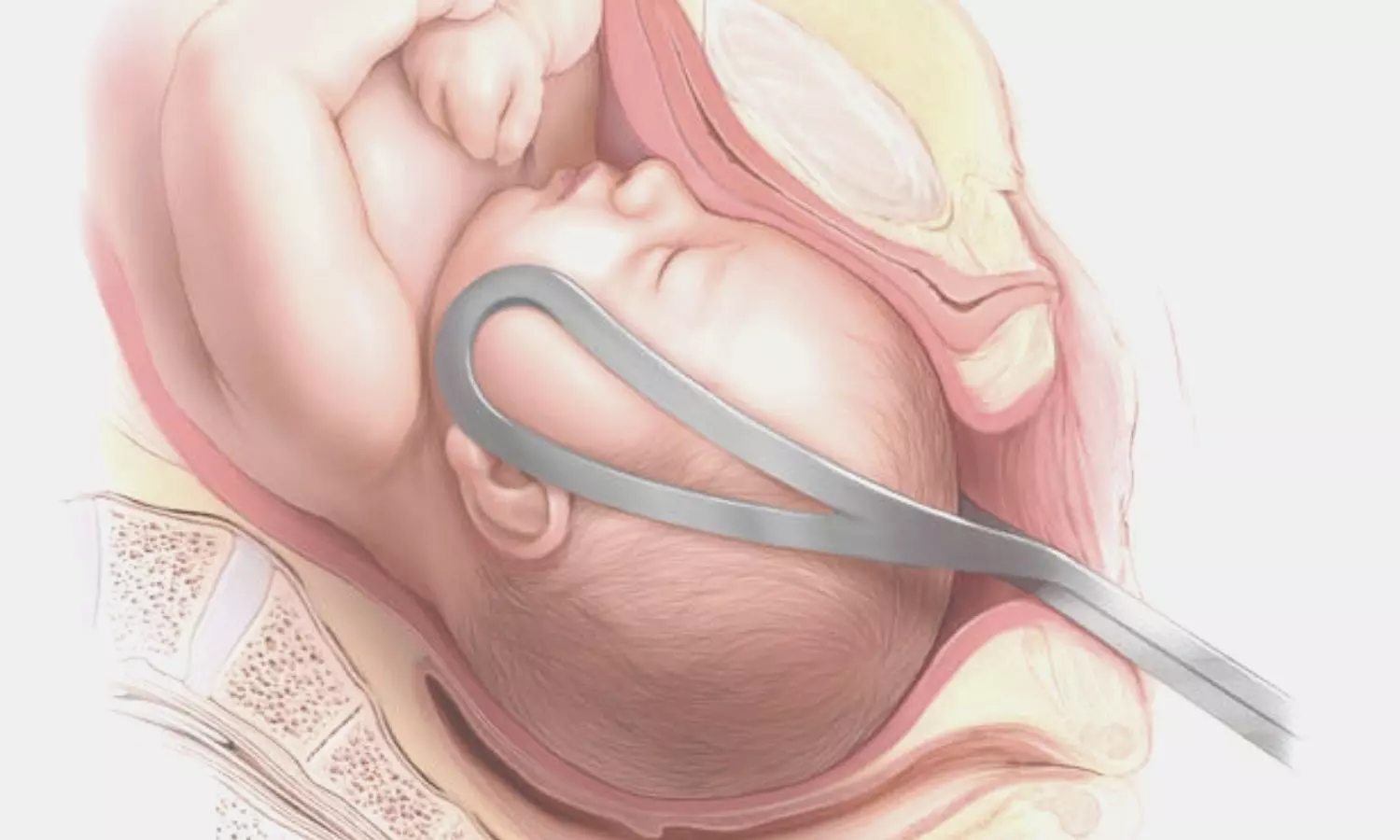


What factors shape the outcome when women attempt a vaginal birth after cesarean (VBAC)? With cesarean rates climbing in Poland and globally, clinicians face increasing pressure to identify the best candidates for VBAC. A recent study in BMC Pregnancy and Childbirth examines whether the Polish VBAC prediction index (Ti) can help.
A Growing Clinical Challenge
Cesarean section rates have been rising steadily—nearing 48% in Poland and over 32% in the US. As more women present with prior cesareans, clinicians must balance the risks and benefits of repeat cesarean versus VBAC. Accurate prediction models are critical for informed decision-making and reducing unnecessary surgery.
Study Design: External Validation in Warsaw
Researchers retrospectively analyzed 462 women at a tertiary hospital in Warsaw from 2021–2023—all with one previous cesarean and eligible for VBAC. The study focused on validating the Polish Ti index, a model estimating the risk of intrapartum cesarean in term deliveries using clinical variables like BMI, prior vaginal birth, pregnancy weight gain, and epidural use.
Key Findings: Moderate Predictive Value
Success Rate: 58.7% of women achieved VBAC; 41.3% required cesarean during labor.
The Ti index showed moderate accuracy in predicting VBAC success, with an AUC of 0.67 (95% CI: 0.67–0.72). A revised version of the model (excluding less reliable factors) performed slightly better, reaching an AUC of 0.71.
Strongest Predictors: Prior vaginal birth and a history of delivering a large baby (macrosomia) significantly increased the odds of VBAC success.
Risk Factors: Higher pre-pregnancy BMI and gestational diabetes were linked to higher intrapartum cesarean rates.
Protective Factor: Use of epidural anesthesia correlated with improved VBAC success in this cohort.
Clinical Implications: Counseling and Decision-Support
While the Polish Ti index isn’t perfect, it offers a practical tool for clinicians counseling women with a prior cesarean. By quantifying individual risk, the model can:
Support shared decision-making and tailored counseling
Potentially reduce unnecessary repeat cesareans, especially in settings with high surgical rates
Contribute to system-level strategies targeting Robson Group 5 (women with a prior cesarean) to safely lower national cesarean rates
However, the model is less useful for preterm deliveries and should not be the sole factor in decision-making. Further validation in other centers and integration with additional clinical variables may improve its utility.
Conclusion
The Polish Ti index provides moderately accurate risk assessment for VBAC in term pregnancies and confirms several known predictors. As cesarean rates rise, such models are valuable for optimizing care, though further research and refinement are needed to maximize their impact across diverse clinical settings.
Key Points
The Polish Ti index offers moderate accuracy for predicting VBAC success in term pregnancies.
Prior vaginal birth and use of epidural anesthesia improve VBAC outcomes, while high BMI and gestational diabetes increase cesarean risk.
The refined Ti model outperforms the original by excluding less reliable predictors like manual labor and place of residence.
This tool aids individualized counseling and could help reduce unnecessary repeat cesareans.
External validation and further model integration are needed for broader adoption in clinical practice.
Citation:
Paruszewski S, Urban A, Dobrowolska-Redo A, et al. Trial of vaginal birth after cesarean (VBAC): external validation of the Polish prediction indices of the VBAC. BMC Pregnancy Childbirth. 2026; [Epub ahead of print]. https://doi.org/10.1186/s12884-026-09692-z
