Outcomes of Uterine Artery Embolization in Patients with Uterine Leiomyomas, reveals research
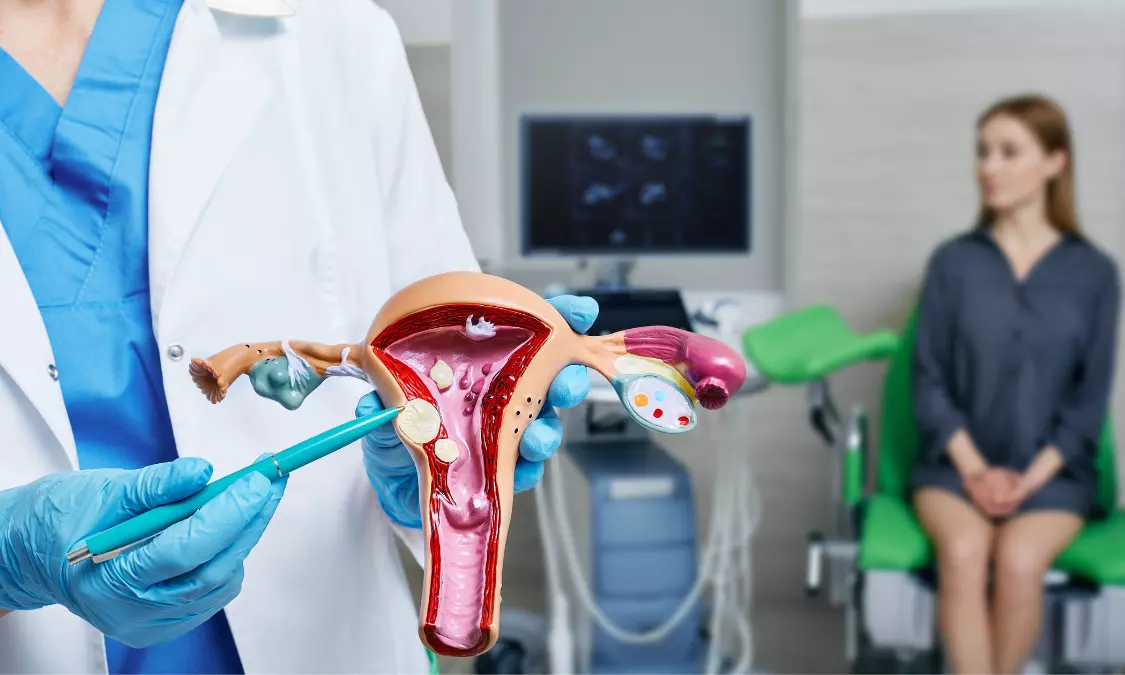


Several nonsurgical techniques are used for the treatment of patients with uterine leiomyomas, such as the recently developed magnetic resonance-guided focused ultrasound therapy. Uterine artery embolization (UAE) is an outpatient nonsurgical radiologic treatment of uterine leiomyomas. It is noninvasive and useful for women who refuse hysterectomy, as well as for those with a high surgical risk, including morbid obesity.
Authors retrospectively analyzed the cases of 25 patients with symptomatic uterine leiomyomas who had undergone UAE to clarify the indications and limitations of the procedure.
During the past 7 years, 25 patients with uterine leiomyomas had undergone UAE in the hospital. UAE was indicated in patients with menstrual disturbances such as hypermenorrhea or dysmenorrhea. The outcomes of this procedure for uterine leiomyomas were analyzed.
Improvement in the menstrual symptoms and/or reduction in the leiomyoma size after UAE were observed in 24 patients (96.0%). There was mean 67.9% reduction in the volume of leiomyomas at six months after UAE (P < 0.05). However, the symptoms recurred after UAE in 6 patients (24.0%), with multiple or intramural leiomyomas larger than 7 cm, which necessitated additional procedures.
UAE involves a short treatment using conscious sedation, an incision in the groin to access femoral vessels, and an overnight stay for pain control. The study showed that improvement in the menstrual symptoms and/or reduction in the size of the leiomyoma after the UAE were observed in most cases.
UAE is noninvasive and useful in women who refuse hysterectomy, as well as for those with a high surgical risk, including morbid obesity. It is particularly useful in women with a solitary submucosal leiomyoma smaller than 7 cm, but not in those with multiple or intramural leiomyomas larger than 7 cm. It is necessary to consider the indications and limitations of UAE and obtain prior informed consent in patients with uterine leiomyomas, who wish to undergo conservative managements, because this procedure is not effective in approximately 20% of these patients who subsequently required other procedures such as a hysterectomy.
Source: Hindawi Publishing Corporation Obstetrics and Gynecology International Volume 2012, Article ID 920831 doi:10.1155/2012/920831