Pregnant women with morbid obesity at increased risk of diabetes, hypertension and cesarean section, finds study
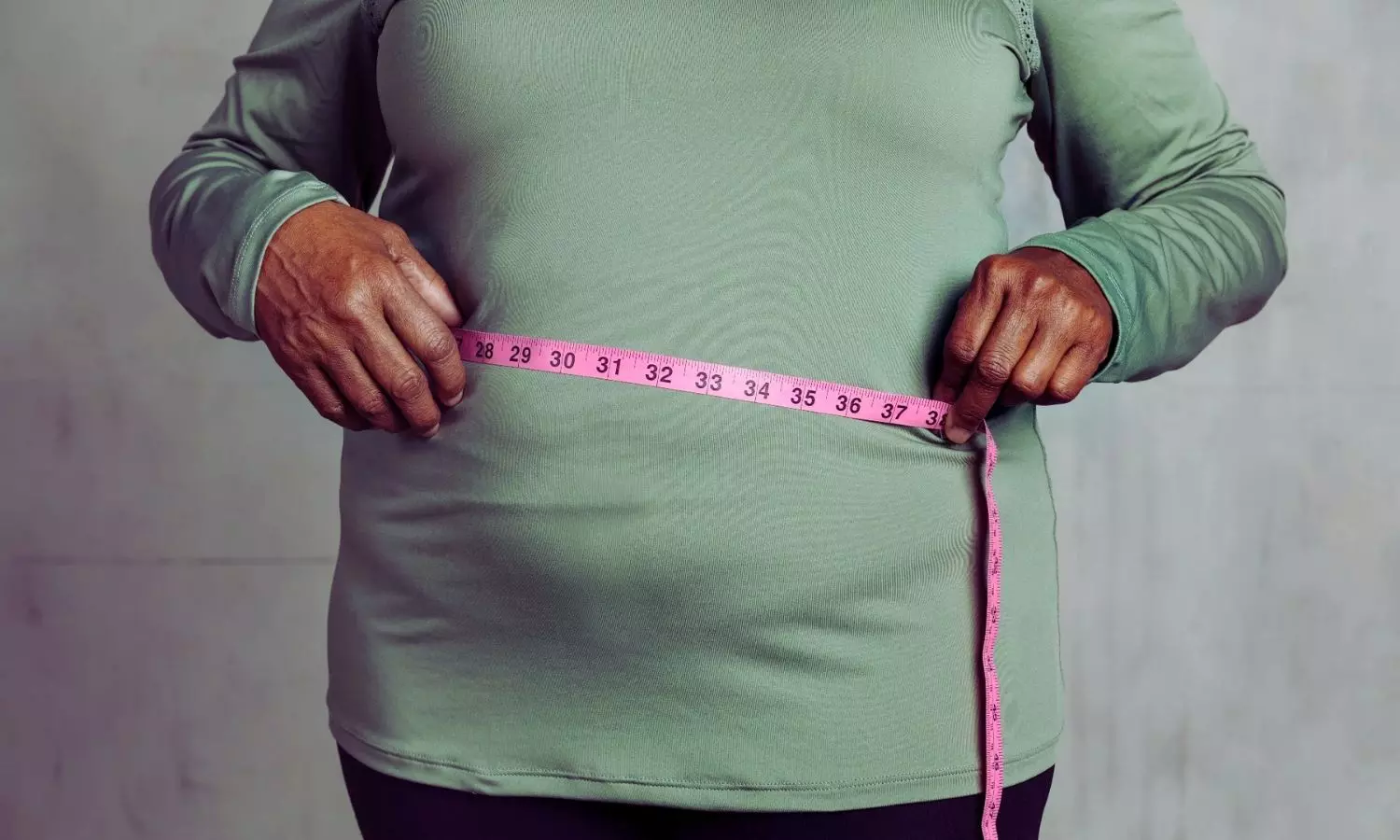


In the past few years, obesity has been growing at an alarming rate. The statistics of the national health services, UK showed that the incidence of maternal obesity was 7.6% in 1989 as compared to 26.2% in 2023/24 which is huge. This rising incidence has prompted World health organization to include new class called of Super obesity, i.e. BMI >50 kg/m2 and Super obesity, i.e. BMI > 60 kg/m2 in the existing classification.
This study was conducted to evaluate maternal and neonatal risks associated with increasing BMI in pregnant women Materials and Methods: This was a retrospective observational study conducted at Fernandez hospital, a tertiary perinatal care center over a period of 3 years from January 1st 2020 to December 31st 2022. The study population included mothers with singleton pregnancy who were registered for care at Fernandez hospital which was stratified in various prepregnancy BMI groups and outcomes were measured.
A total of 27,576 women were included in this study. Most of the study population belonged to the overweight group of BMI 25 to 29.9 kg/m2 (38%, n=10,482). The incidence of morbid obesity was 1% (n=247), that of super obesity was 0.1% (n=28) while that of super obesity was 0.01% (n=2) in our cohort. The risk of recurrent miscarriages increased exponentially at BMI > 50 kg/m2 (p<0.001). The incidence of pregestational and gestational diabetes (62% increase); chronic hypertension and hypertensive disorders of pregnancy (28% increase) increased as BMI increases. The rates of cesarean section increased as the BMI increases (p<0.001). The rate of prelabour preterm rupture of membranes (PPROM) and postpartum haemorrhage (PPH) increased significantly above a threshold BMI of 50 kg/m2 (p<0.001). The incidence of large for gestational age (LGA) babies was not found to be increased with increasing BMI when confounding factors were eliminated.
Rising booking maternal BMI is a significant independent risk factor for a spectrum of adverse maternal and neonatal outcomes. There is very little Indian data on super obesity implications on pregnancy outcomes. This study helped in postulating counselling points objectively from the experience. This preview also stresses the need for preconception counseling, nutritional support, Lifestyle management and targeted antenatal interventions in morbid and super obese women to improve both maternal and neonatal outcomes.
Source: Subhashini et al. / Indian Journal of Obstetrics and Gynecology Research 2026;13(1):51–56