
Extracellular vesicles of boar seminal plasma contain oxytocin at levels associated with fertility, reveals research
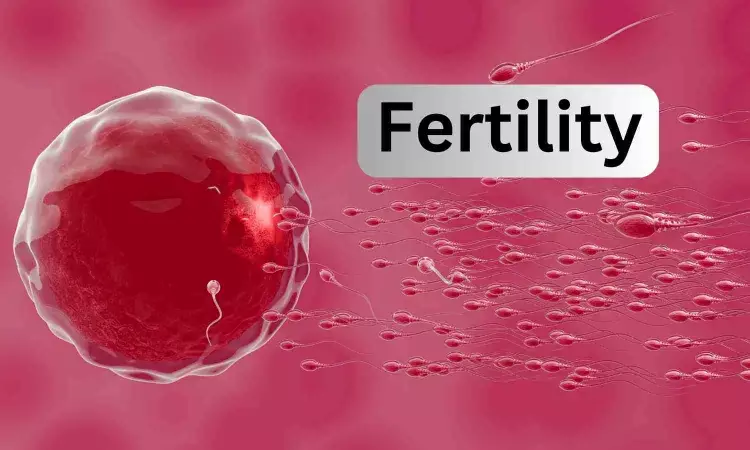


The presence of oxytocin (OXT) in seminal plasma is related to the fertility outcomes of male pigs used in artificial insemination (AI) programs. However, OXT rapidly volatilizes when circulating freely in body fluids, making it challenging to understand how it maintains its functional activity in refrigerated AI semen doses. These doses are usually stored for several days before use. One possible explanation is that seminal OXT circulates in extracellular vesicles (EVs), which are abundant in seminal plasma and prevent volatilization. This study aims to test this hypothesis.
Seminal EVs were isolated by size-exclusion chromatography from ejaculates of male pigs used in artificial insemination (AI) programs. The seminal EVs were characterized according to the International Society of Extracellular Vesicles guidelines (MISEV2023). OXT levels were measured using a direct competitive immunoassay based on AlphaLISA technology and an anti-OXT monoclonal antibody.
The results showed that male pig seminal EVs carry OXT, which is primarily located on the outer surface of the EV membrane, likely within the protein corona. Seminal EVs from the accessory sex glands were particularly enriched in OXT. The levels of oxytocin (OXT) in seminal EVs were related to the fertility of male pigs. Specifically, OXT levels were positively associated with the farrowing rate of inseminated sows, but negatively associated with the number of piglets born per litter. This ambivalence may reflect the proposed role of seminal OXT-containing EVs in stimulating myometrial contractility. This would improve sperm transport and fertilization, but hinder embryo implantation.
Reference
Parra A, Martínez-Díaz P, Botía M, López-Arjona M, Lucas X, Barranco I, Roca J. The extracellular vesicles of boar seminal plasma contain oxytocin at levels associated with fertility. Extracell Vesicles Circ Nucleic Acids. 2025;6:1000-14. https://dx.doi.org/10.20517/evcna.2025.94
