Unlocking Better Outcomes: How Focused Transthoracic Echocardiography Transforms ICU Care After Cesarean Section

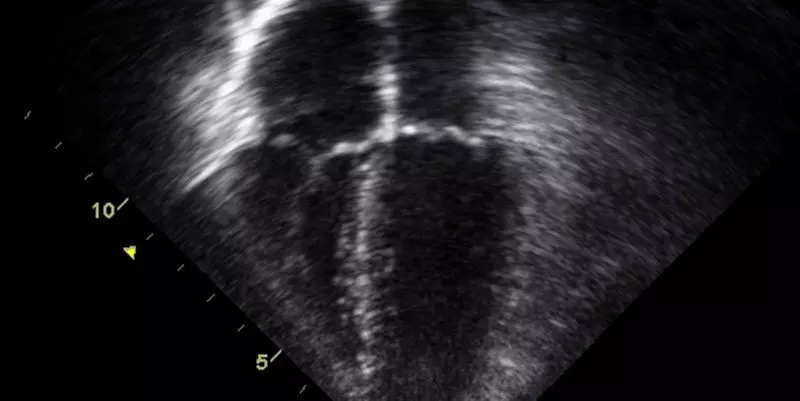


The Hidden Cardiac Risks After Cesarean Sections
Maternal health after cesarean section (CS) is under increasing scrutiny, particularly as cardiovascular complications rise among postpartum patients. Hemodynamic instability and respiratory distress are now leading causes of ICU admissions after CS, with timely diagnosis being essential for optimal outcomes. The study “A Prospective Observational Study to Assess the Impact of Focused Transthoracic Echocardiography on Diagnosis and Management in Patients Admitted to the Intensive Care Unit Post-Cesarean Section” (Annals of Cardiac Anaesthesia, 2026), investigates how Focused Transthoracic Echocardiography (FTTE) can revolutionize care for these vulnerable patients.
What is FTTE and Why Does It Matter?
FTTE is a point-of-care ultrasound tool that allows clinicians to rapidly assess cardiac function at the bedside. In the context of post-CS ICU admissions, FTTE helps differentiate between cardiac and non-cardiac causes of shock and respiratory distress—conditions that often masquerade as routine postpartum changes. By offering real-time, non-invasive insight into the heart’s status, FTTE enables targeted interventions, potentially saving lives.
Study Highlights: Who Was Studied and What Was Done?
This prospective, observational cohort study included 60 post-CS patients admitted to the ICU within 42 days of delivery at a tertiary care center. FTTE was performed in patients with suspected cardiac disturbances, unresolved clinical dilemmas, or significant hemodynamic or respiratory instability. Cardiology residents, using advanced ultrasound equipment, performed the scans. FTTE findings were used to confirm, refine, or rule out cardiac pathologies and guide subsequent management.
Key Findings: Diagnostic and Therapeutic Breakthroughs
• High Diagnostic Impact: FTTE altered or confirmed diagnoses in 96.66% of cases. It identified new cardiac issues in 30% of patients, such as peripartum cardiomyopathy and valvular heart disease, and ruled out cardiac pathology in 36.66%—allowing clinicians to confidently pursue alternate diagnoses.
• Major Management Changes: FTTE influenced the management of 75% of patients. Interventions ranged from medication adjustments (diuretics, inotropes, anticoagulants) to weaning off ventilators or oxygen, and guiding fluid or blood therapy. Early and accurate diagnosis facilitated condition-specific treatments, improving survival rates.
• Mortality and Survival: While the overall mortality rate among patients who underwent FTTE was 11.67%, the survival rate reached 88.33%, underscoring the technique’s role in improving critical care outcomes.
Implications for Practice: Why Should FTTE be Routine?
The study demonstrates that FTTE is not just a diagnostic tool—it is a critical decision-support system in high-risk obstetric patients. Given its ability to distinguish between cardiac and non-cardiac causes of clinical deterioration, FTTE should become standard practice for ICU management post-CS, especially in cases with overlapping or ambiguous symptoms.
Conclusion: Towards Safer Maternal Care
FTTE dramatically enhances the clinician’s ability to diagnose and manage severe complications following cesarean section. Its routine use in the ICU setting can lead to faster, more accurate decision-making, better-targeted therapies, and ultimately, improved maternal outcomes.
Citation:
Magar JS, Jain RA, Malde AD, Jethliya MN. A prospective observational study to assess the impact of focused transthoracic echocardiography on diagnosis and management in patients admitted to the intensive care unit post-cesarean section. Ann Card Anaesth 2026;29:64-71.