Vitamin D and Animal-Source Vitamin A May Help Reduce Uterine Fibroid Size, reveals research
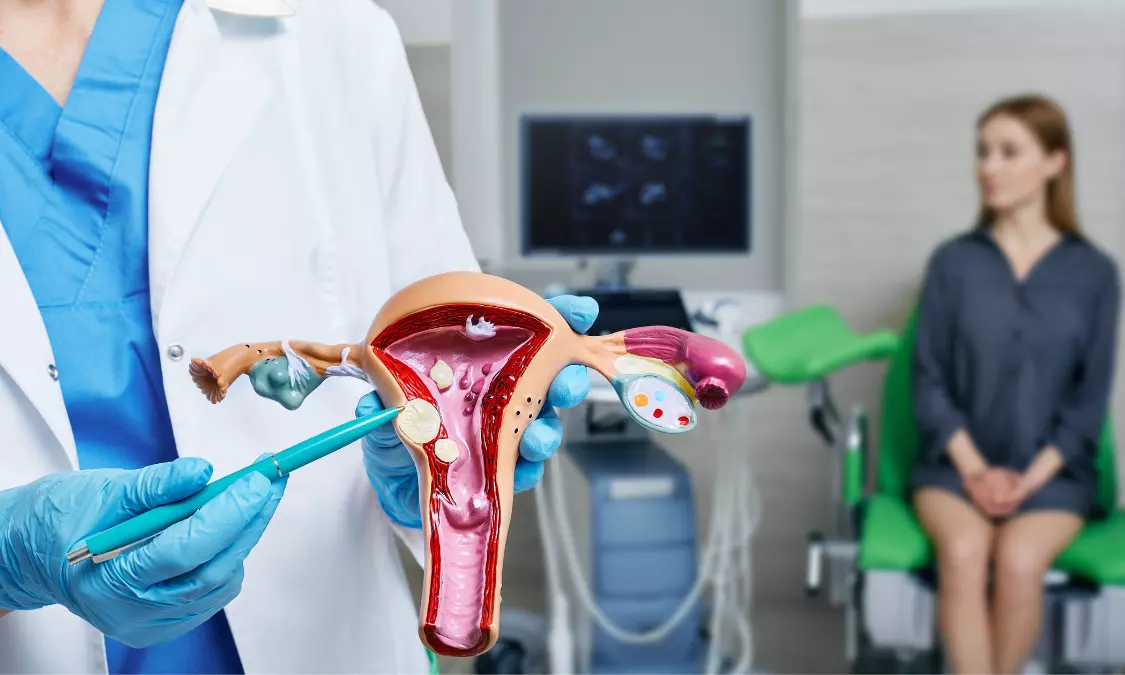


A new study published in the journal of BMC Women's Health showed that uterine fibroids (UF) may shrink if vitamin D supplements and animal-based forms of vitamin A are consumed.
Fat-soluble vitamins like A, D, E, and K, have attracted attention in recent years for their probable roles in the formation and progression of uterine fibroids, a common benign tumor of the uterus affecting many women during their reproductive years. These vitamins are essential for tissue remodeling, immunological regulation, cellular communication, and antioxidant defense are the activities linked to fibroid development. Vitamin D has been the most thoroughly researched of these, with mounting data indicating that deficiency may lead to fibroid growth, while supplementation may help delay or shrink tumor size by controlling extracellular matrix synthesis and cell proliferation.
Because it affects hormonal pathways and cell differentiation, vitamin A, particularly from animal sources, may potentially have an impact on the formation of fibroids. In contrast, the functions of vitamins E and K remain less defined. Vitamin E’s antioxidant qualities potentially might prevent oxidative stress inside fibroid tissue, but studies have yet to show a conclusive relationship. Similarly, the function of vitamin K in tissue regeneration and inflammation increases curiosity, albeit current study is limited.
Overall, knowing how these fat-soluble vitamins interact with uterine tissue may lead to new avenues for supplementary therapy or prevention, underscoring a significant and developing field of study in women's reproductive health. Thus, this study was set to assess the connection between UFs and fat-soluble vitamins.
This systematic review was conducted using a thorough search technique, published publications from PubMed and Web of Science up until February 2024. Of the original 9161 recognized papers, 31 (total population of 55189 persons), comprising 17 case-control studies, 6 clinical trials, four cross-sectional studies, three cohort studies, and one
Mendelian epidemiological research were evaluated. The majority of the research examined the connection between UF size and incidence and blood vitamin D. None of the analyzed research explored the link between vitamin K and UF. Overall, supplementing with vitamin D and ingesting animal-derived vitamin A may help decrease uterine fibroids. However, existing research is inadequate to tell if vitamins K or E have any major influence on fibroid size.
Source:
Dashti, S., Jalal Marvi, F., Jazayerinezhad, N., Akef, M., & Fathi Najafi, T. (2025). The relationship between fat-soluble vitamins and uterine fibroids: a systematic review. BMC Women’s Health. https://doi.org/10.1186/s12905-025-04189-x