
Survival Odds: How Gestational Age and Birth Weight Shape PPROM Outcomes, study suggests
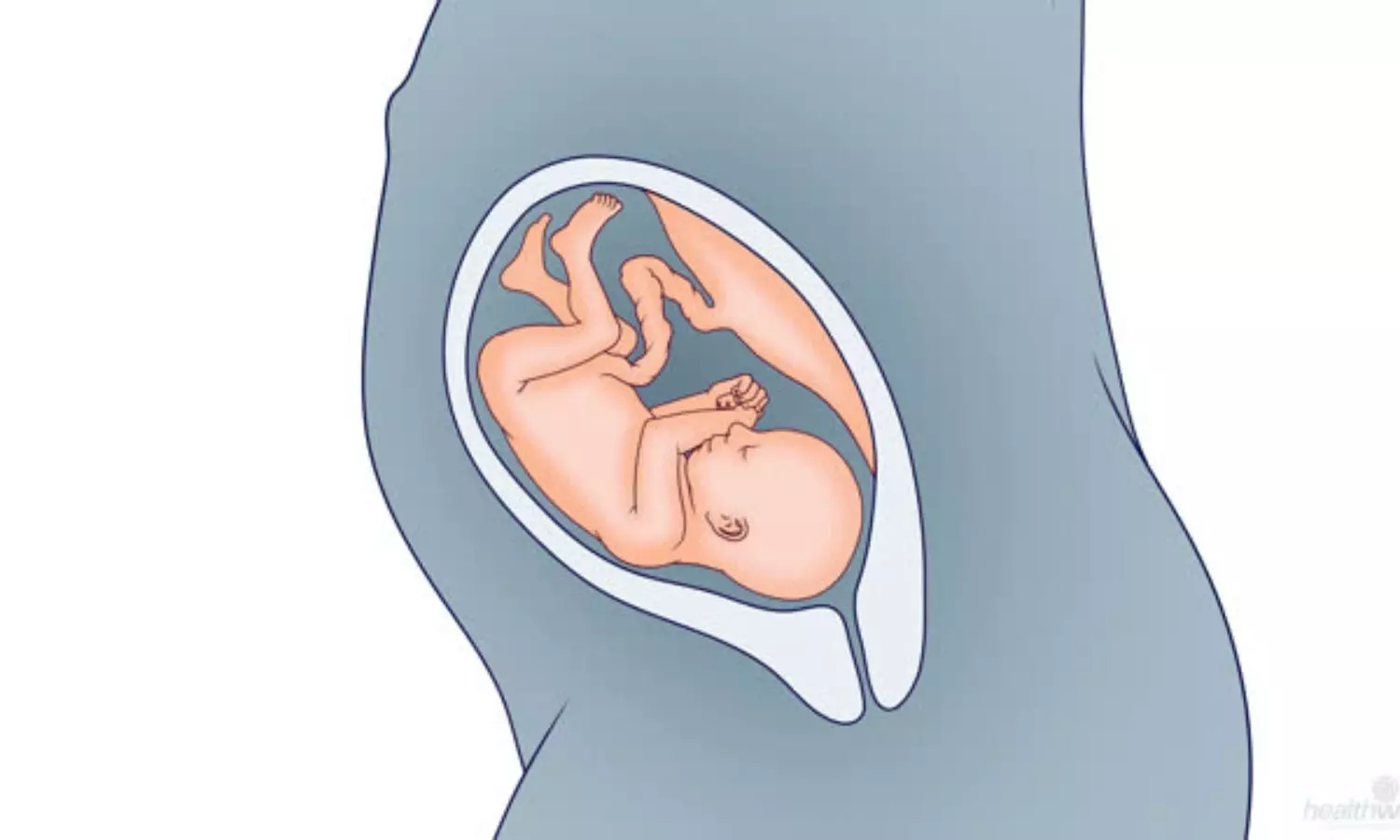


Understanding PPROM: A Silent Threat in Pregnancy
Preterm premature rupture of membranes (PPROM) is a significant obstetric emergency, occurring before 37 weeks of gestation and prior to the onset of labor. Responsible for nearly one-third of all spontaneous preterm births, PPROM places both mothers and babies at heightened risk for complications such as respiratory distress syndrome (RDS), sepsis, pulmonary hypoplasia, and even neonatal death.
The Study: Tracking Outcomes in a Tertiary Hospital
In a recently published research, Ağaoğlu et al. conducted a detailed retrospective study involving 183 women with PPROM, categorized into four gestational age groups (23–27+6 weeks, 28–31+6 weeks, 32–33+6 weeks, 34–36+6 weeks). The research closely monitored neonatal outcomes like NICU admission, need for respiratory support, surfactant and inotropic therapy, sepsis, and mortality rates.
Key Findings: The Power of Timing and Birth Weight
• Neonatal Mortality Risks: The youngest group (23–27+6 weeks) had a staggering 63.2% mortality rate, with early deaths mainly from RDS. No deaths occurred in the 28–33+6 week groups, while the oldest cohort (34–36+6 weeks) had a mortality rate of just 2.2%.
• Birth Weight Matters: Extremely low birth weight (<1000g) corresponded to only a 31% survival rate, while infants weighing 1000–1500g had a much better outlook (91.6% survival).
• Oligohydramnios (Low Amniotic Fluid): Significantly more common among non-survivors, oligohydramnios emerged as a key risk factor.
• Complication Patterns: RDS and pulmonary hypoplasia dominated early neonatal deaths, while late deaths were largely due to sepsis.
Clinical Insights: Improving Outcomes Through Management
Active management after 34 weeks of gestation (rather than expectant, watchful waiting) was linked to better neonatal outcomes, while careful monitoring and tailored interventions are crucial for those with PPROM at earlier gestational ages. Recognizing the warning signs—particularly low gestational age, low birth weight, and oligohydramnios—can guide clinicians in providing the most effective care.
Key Takeaways:
• Neonatal mortality in PPROM is highest at the earliest gestational ages and lowest birth weights.
• Oligohydramnios significantly increases risks for poor outcomes.
• Early deaths are primarily due to respiratory distress; late deaths often result from sepsis.
• Proactive management after 34 weeks can improve survival for babies affected by PPROM.
Citation: Ağaoğlu RT, Öztürk Ö, Ulusoy CO, Günday F, Sarikaya Kurt D, Aksu M, Hizli B, Yakut Yücel K. (2025). Perinatal outcomes and predictors of neonatal mortality in preterm premature rupture of membranes: a tertiary center experience. BMC Pregnancy and Childbirth, 25:585. https://doi.org/10.1186/s12884-025-07688-9
