
Albumin-Bilirubin and Easy Albumin-Bilirubin Grades Predict Survival in Unresectable Hepatocellular Carcinoma, Suggests Study
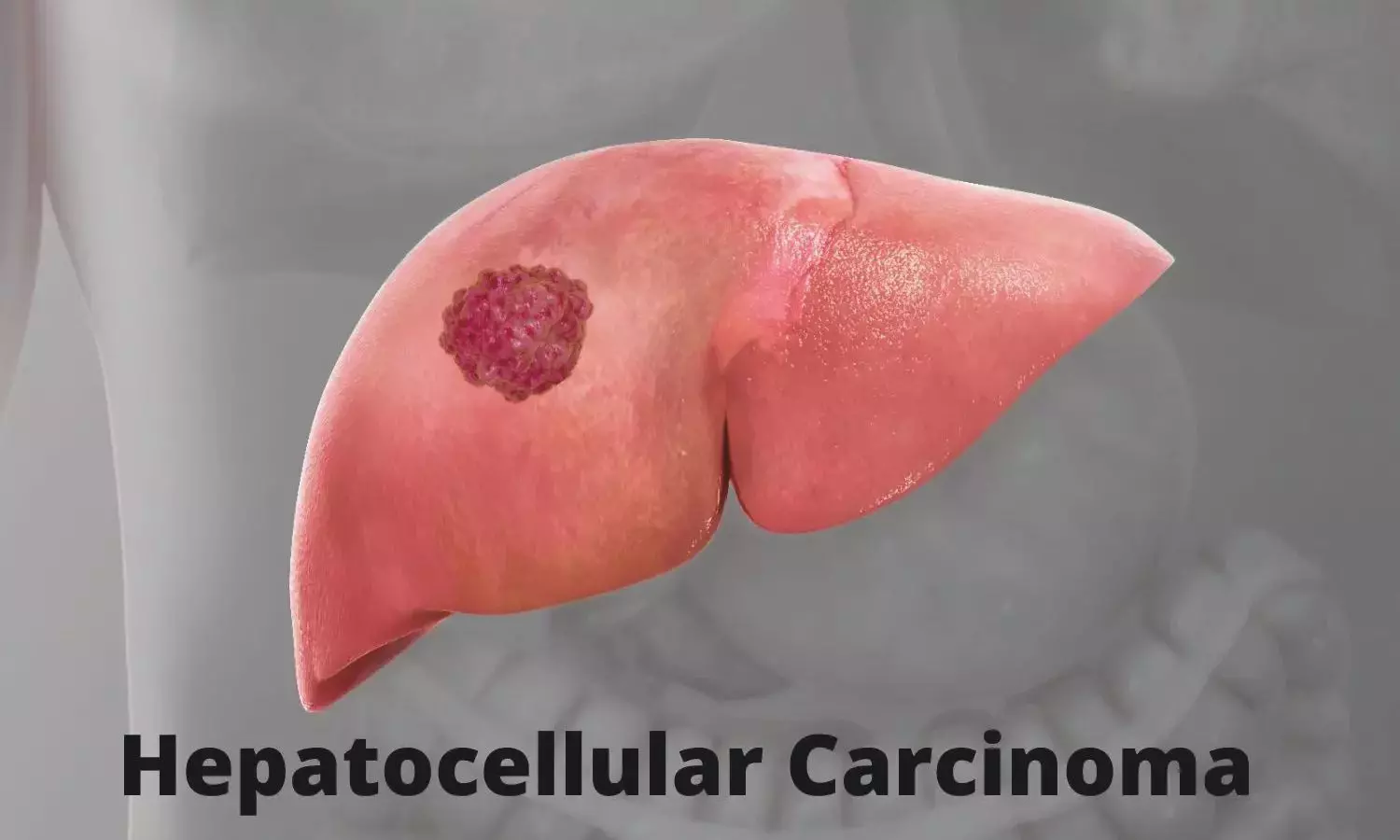


A recent cohort study published in the Indian Journal of Gastroenterology in July 2026 shows that albumin-bilirubin (ALBI) and easy albumin-bilirubin (EZ-ALBI) grades reliably predict survival in patients with unresectable hepatocellular carcinoma (HCC) undergoing transarterial chemoembolization (TACE).
While predicting outcomes in unresectable HCC remains clinically challenging, previous research and the precise clinical gap are not detailed in the source; therefore, lead author Biswajit Sahoo and co-investigators, whose institutional affiliations are unspecified, aimed to evaluate the efficacy of ALBI grade, EZ-ALBI grade, and sarcopenia in predicting the prognosis of patients undergoing TACE as a monotherapy or in combination with lenvatinib.
Therefore, the cohort study evaluated 38 stage B patients receiving TACE monotherapy and 36 stage C patients undergoing combined TACE and lenvatinib, tracking pre-treatment and follow-up levels of ALBI, EZ-ALBI, and sarcopenia. Using mRECIST criteria, researchers analyzed key clinical outcomes, including objective response rates, tumor progression, and progression-free survival.
Key Clinical Findings of the Study Includes:
- ALBI Grade Utility: In BCLC stage B, objective response rates (ORR), tumor progression, and progression-free survival (PFS) varied significantly with ALBI grades (p = 0.004, p = 0.001, and p < 0.001, respectively). This robust predictive capability was also observed in BCLC stage C patients (ORR p = 0.011, tumor progression p = 0.002, PFS p < 0.001).
- EZ-ALBI Performance: EZ-ALBI grades did not vary significantly with ORR in stage B (p = 0.055) or stage C (p = 0.158), but they significantly predicted tumor progression and PFS in both stage B (p = 0.025, p = 0.004) and stage C (p = 0.033 and p < 0.001) patients.
- Sarcopenia Divergence: Sarcopenia showed no significant association with outcomes in BCLC stage B (ORR p = 0.090, tumor progression p = 0.310, PFS p = 0.114). However, in BCLC stage C, the presence of sarcopenia significantly correlated with worse ORR (p = 0.006), tumor progression (p = 0.039), and PFS (p = 0.012).
Ultimately, the study highlights that while ALBI and EZ-ALBI grades are excellent prognostic indicators across both intermediate and advanced stages, assessing muscle mass is highly critical for identifying patients at risk of diminished therapy response specifically in advanced-stage HCC undergoing combination treatment.
Thus, the study concludes clinicians can integrate baseline albumin-bilirubin and easy albumin-bilirubin grading into routine practice to more accurately forecast survival and tumor progression in unresectable liver cancer, while focusing muscle mass evaluations on advanced-stage patients receiving combined therapies to identify those at risk of poorer outcomes.
While the study is limited by relatively small cohorts of thirty-eight intermediate-stage and thirty-six advanced-stage patients and does not formally outline its constraints, launching larger prospective clinical trials in the future remains a promising avenue to validate these prognostic tools across broader clinical settings.
Reference
Sahoo, B., Hembram, J., Panigrahi, M. K., et al. (2026). Albumin-bilirubin grade and sarcopenia as predictors of prognosis in patients with unresectable intermediate and advanced-stage hepatocellular carcinoma. Indian Journal of Gastroenterology.
