
Biofield Therapy Shows Potential to Slow Pancreatic Cancer Progression, suggests research
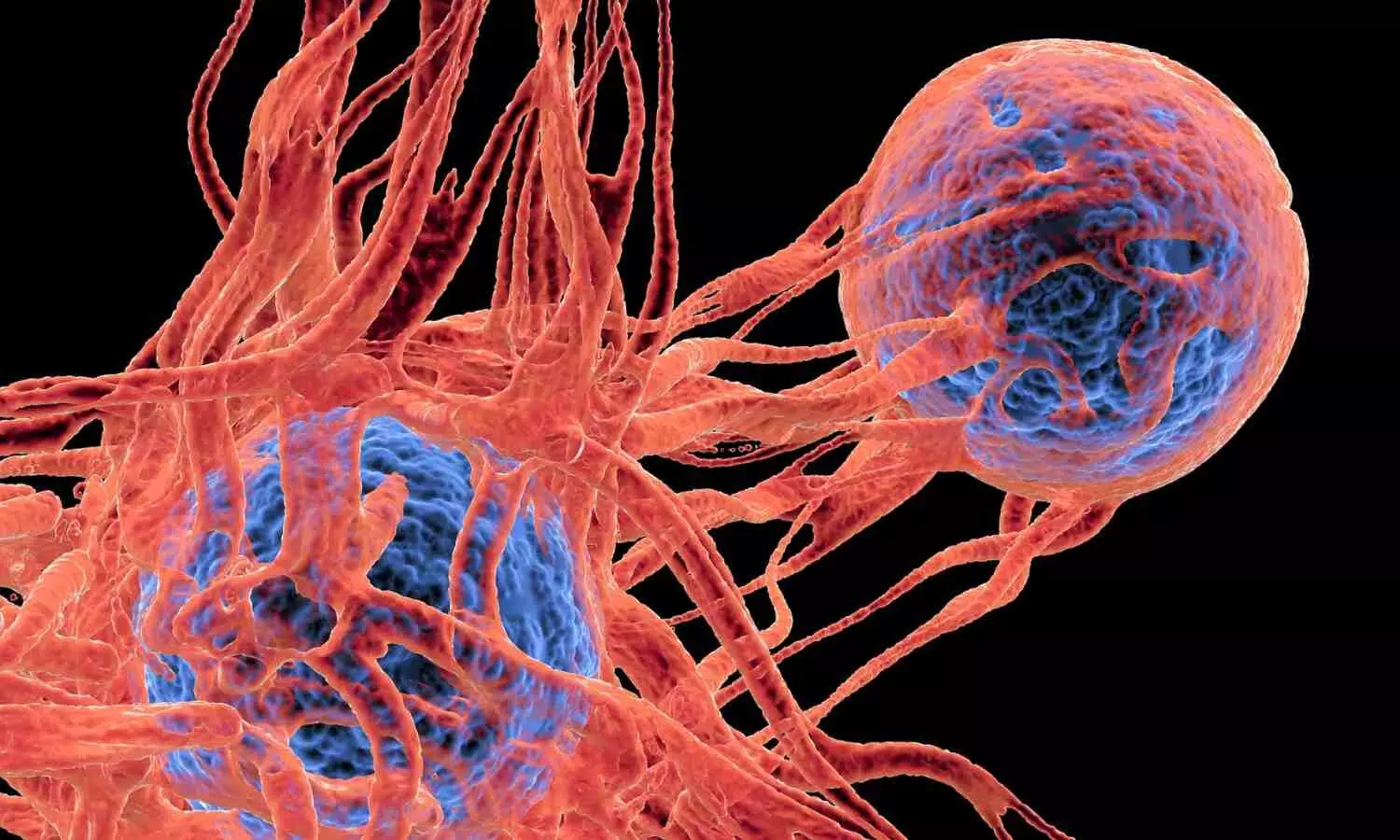


A preclinical study published in the journal of Cancer Medicine suggested that biofield therapy (BT), which is a touch-based approach aimed at influencing the body’s energy fields, may help slow tumor progression and reduce the risk of metastasis in pancreatic ductal adenocarcinoma (PDAC). These findings indicate a potential supportive role for such therapies, though clinical validation in humans is still needed
This study used multiple human and mouse pancreatic cancer cell lines, to analyze the exposure of BT, which resulted in a significant reduction in cancer cell proliferation when compared to control groups. These effects were consistent across repeated experiments, which suggests that the findings were not random or isolated.
Under a transmission electron microscope, the treated cells displayed swollen mitochondria, which showed a potential disruption of cellular energy processes. In addition, BT appeared to halt the progression of the cell cycle, increasing the proportion of cells arrested in the G1 phase, where the cells prepare to replicate DNA but have not yet begun division.
At the molecular level, the therapy was linked to reduced expression of FOXM1, which plays a crucial role in cancer cell growth and metastasis. When manipulating FOXM1 expression using genetic techniques, this research observed that the anti-cancer effects of BT were closely tied to this pathway, which could be a possible mechanism behind the observed changes.
The BT exposure led to a measurable decrease (up to 36.7%) in cell voltage potential, a factor associated with cellular activity and signaling. This effect was consistent across several pancreatic cancer cell types. Also, this therapy appeared to reduce the invasive capabilities of cancer cells in laboratory settings.
In animal studies using orthotopic mouse models, BT-treated groups showed significantly smaller primary tumors and fewer liver metastases when compared to controls.
Despite being preliminary, these results require further validation, as they open the door to a broader discussion about integrating alternative approaches into cancer research. More rigorous, large-scale studies are required to determine the clinical relevance and reproducibility.
Reference:
Yang, P., Wei, D., Chakraborty, S., Nguyen, P., Cusimano, A., Deng, D., Iqbal, S., Nelson, M., Cui, M., Dai, J., Gagea, M., Wagner, R., Li, Y., & Cohen, L. (2026). The preclinical effects and mechanisms of biofield therapy on pancreatic cancer cell growth and metastasis. Cancer Medicine, 15(4), e71726. https://doi.org/10.1002/cam4.71726

