
Expert and Layperson Cervical Cancer Videos Show Equal Reliability, Suggests Study
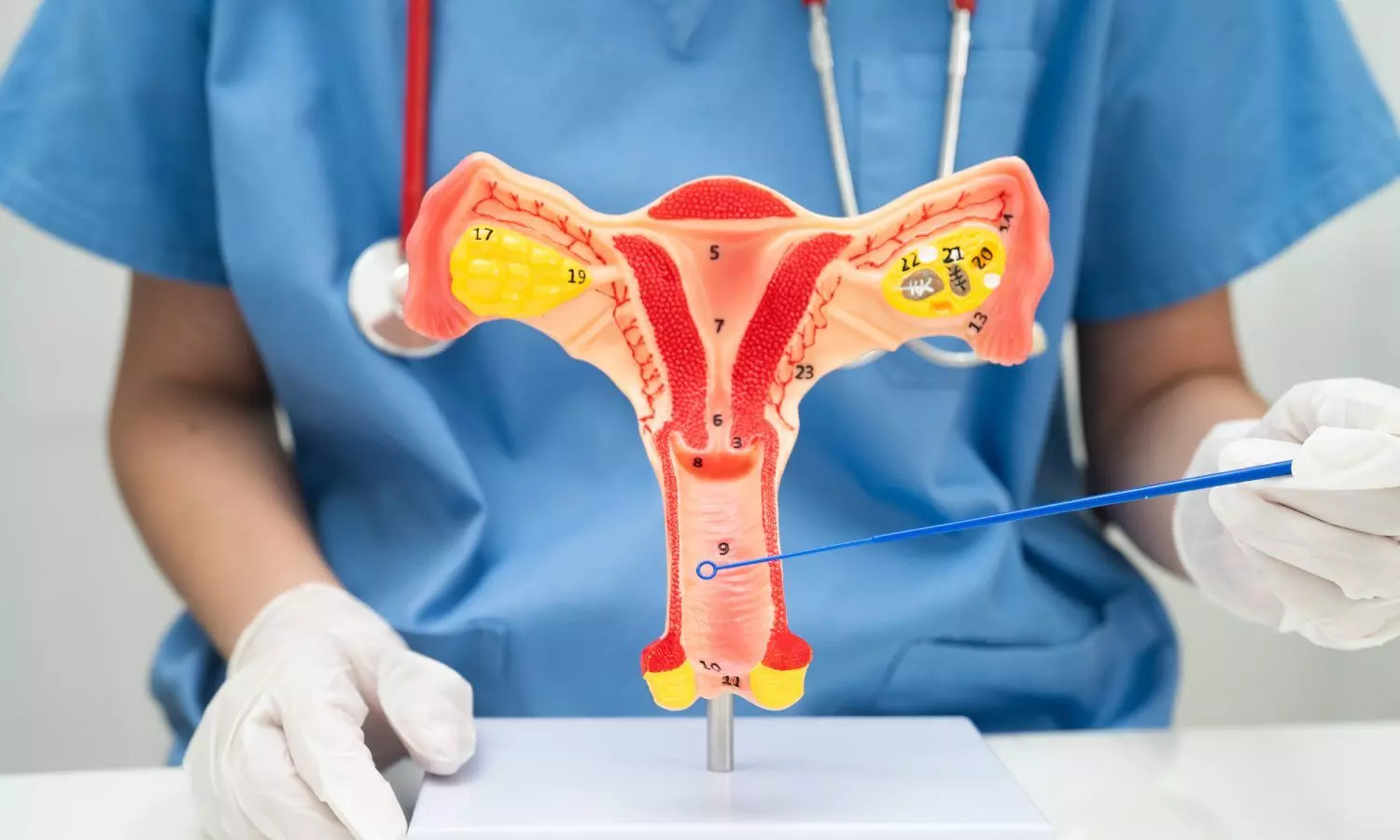


A recent descriptive observational study published in the Indian Journal of Cancer in August 2026 reveals that while popular Hindi YouTube videos on cervical cancer show high overall quality with a median score of 8.00, expert-led videos are surprisingly no more reliable than layperson uploads.
While cervical cancer remains a major health burden in developing nations, existing online research has focused on breast cancer, leaving a significant gap in cervical cancer resources. To address this, Nibha Sinha from Jaypee Institute of Information Technology evaluated the quality, reliability, and clinical validity of popular Hindi YouTube videos on the disease.
Therefore, in the study, two blinded public health experts evaluated the 50 most-viewed Hindi YouTube videos on cervical cancer using DISCERN, JAMA, and Global Quality Score (GQS) tools. After excluding advertisements and surgical videos, they compared the credibility and reliability of content uploaded by professionals, news outlets, and laypeople.
Key Clinical Findings of the Study Includes:
Predominant Creator Source: Investigators found that healthcare experts authored 78% of the content, while news agencies uploaded 14% and laypeople published 8%.
High Quality Baseline: Investigators documented that 84% of videos achieved good to excellent quality, with 64% rated as good and 20% as excellent.
Creator Quality Equivalence: Investigators verified that professional videos did not exhibit statistically superior reliability over lay uploads, showing comparable DISCERN (median 37.00 vs 35.00), JAMA (median 6.00 vs 7.00), and GQS (median 8.00 vs 8.00) scores.
Demographic and Format Uniformity: Investigators demonstrated that the presenter's gender (71.4% female) and the media format (95.9% real-life and 2.0% animated) had no statistically significant impact on quality scores.
The results suggest that while Hindi YouTube channels provide highly accessible, good-quality information with a median reliability rating of 36.50 on the DISCERN scale, the total lack of distinct superiority in expert-produced media highlights an urgent need for medical institutions to develop content standards. Thus, despite a high volume of professional uploads, consumers struggle to differentiate expert guidance from lay opinions.
Thus, the study concludes clinicians should actively collaborate with public health agencies and digital platforms to create verified, language-appropriate video content and advocate for official medical accreditation badges that assist patients in identifying trustworthy educational resources.
While the analysis is restricted by its cross-sectional evaluation of the fifty most-viewed videos at a single point in time, it highlights a crucial avenue for future research to investigate the long-term educational impact of dynamic social media algorithms and regional health literacy campaigns.
Reference
Sinha N. Digital health information: Validity and reliability check of Hindi YouTube videos on cervical cancer. Indian Journal of Cancer. 2026;0(0):0.
