
New risk score helps predict pancreatic cancer recurrence, finds study
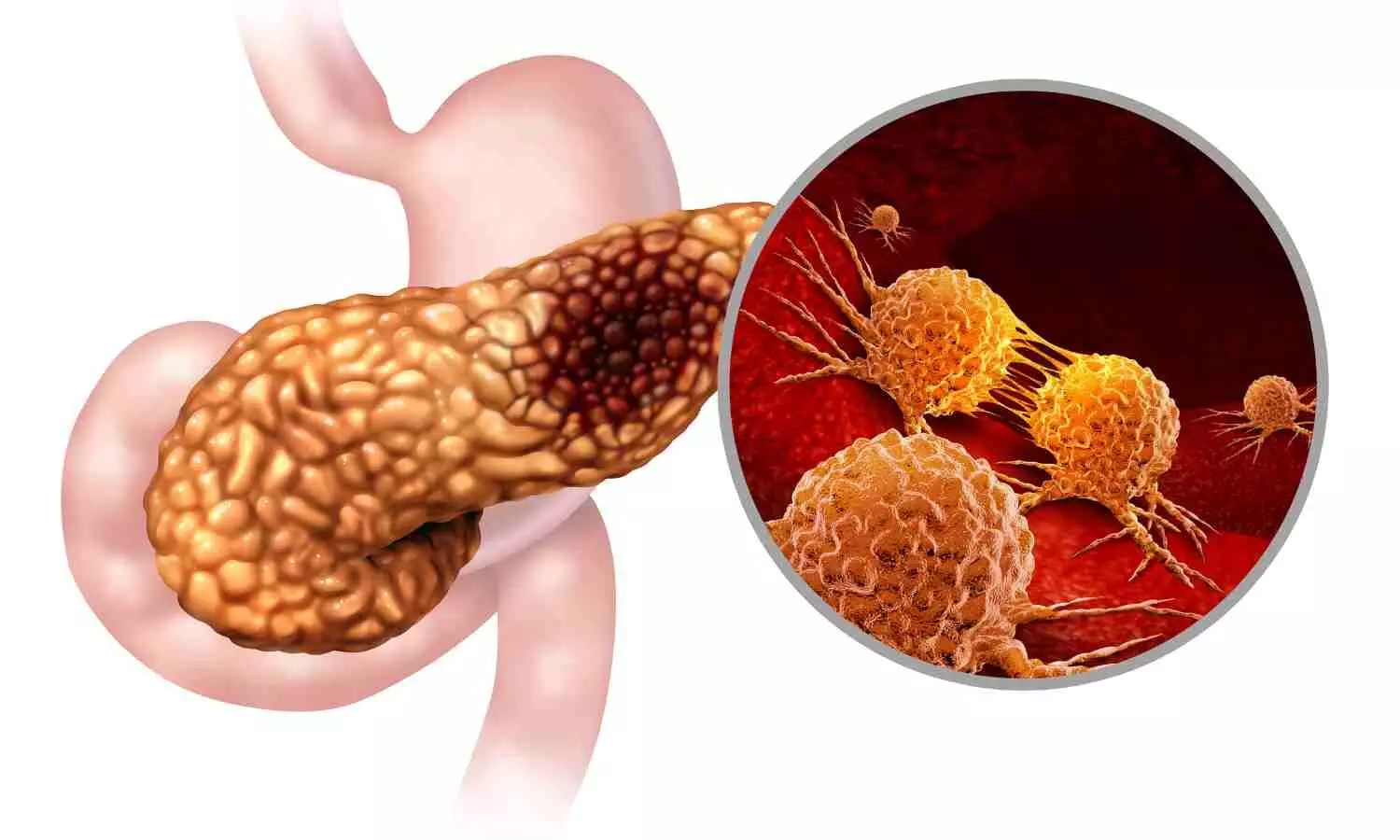


Cedars-Sinai investigators, leading a multi-institutional team, have developed and validated a tool to predict which patients with pancreatic neuroendocrine tumors (PanNETs) need closer monitoring because their cancer is more likely to recur.
The findings, published in JAMA Surgery, provide a framework to better manage ongoing follow-up care of patients whose cancer has not spread to their lymph nodes and who have had their tumors surgically removed.
“We now have a way to identify patients whose higher risk of recurrence may have been previously overlooked,” said Cristina R. Ferrone, MD, chair of the Jim and Eleanor Randall Department of Surgery at Cedars-Sinai and corresponding author of the study. “This gives us the opportunity to change the way we care for this patient population in a meaningful way.”
Pancreatic neuroendocrine tumors are a less common and typically less aggressive form of pancreatic cancer. Patients whose cancer has not spread to the lymph nodes or outside the pancreas have a 91% five-year relative survival rate following surgical treatment, according to the American Cancer Society. However, the Cedars-Sinai study identified a distinct subset of those patients who remain at high risk for their cancer to return.
The multi-institutional study analyzed data from 770 patients across five high-volume institutions and found approximately 10% of patients without lymph node involvement would eventually experience a recurrence of their cancer, most commonly in the liver. This data allowed investigators to develop a 13-point risk score by identifying four key factors that predict a higher risk of recurrence: male sex, a tumor size of 3 centimeters or larger, World Health Organization grade of 2 or higher, and whether cancer cells had entered the blood or lymph vessels, called lymphovascular invasion.
By using the newly created risk score to stratify patients into low-, moderate- and high-risk groups, investigators say they can better predict which patients should receive more frequent and intensive monitoring.
“The current guidelines leave clinicians with a ‘one-size-fits-all’ approach, but it’s clear from our research that not all patients require the same intensity of surveillance,” Ferrone said. “The results address a critical gap in current practice and will hopefully influence future guideline development for well-managed, individualized and cost-effective care.”
Shlomo Melmed, MB, ChB, Cedars-Sinai’s dean of the Medical Faculty and executive vice president of Medicine and Health Sciences, who was not involved in the study, said the new risk score could help physicians and patients around the world.
“The exciting research outcomes of Dr. Ferrone and team will have a significant impact on enhancing the care and management of all patients with neuroendocrine tumors,” Melmed said.
Reference:
Ventin M, Arya S, Zhang L, et al. Recurrence in Patients With Lymph Node-Negative Pancreatic Neuroendocrine Tumors. JAMA Surg. Published online December 17, 2025. doi:10.1001/jamasurg.2025.5401
