Argon Laser Safe First-Line Trichiasis Therapy, Suggests Meta-analysis
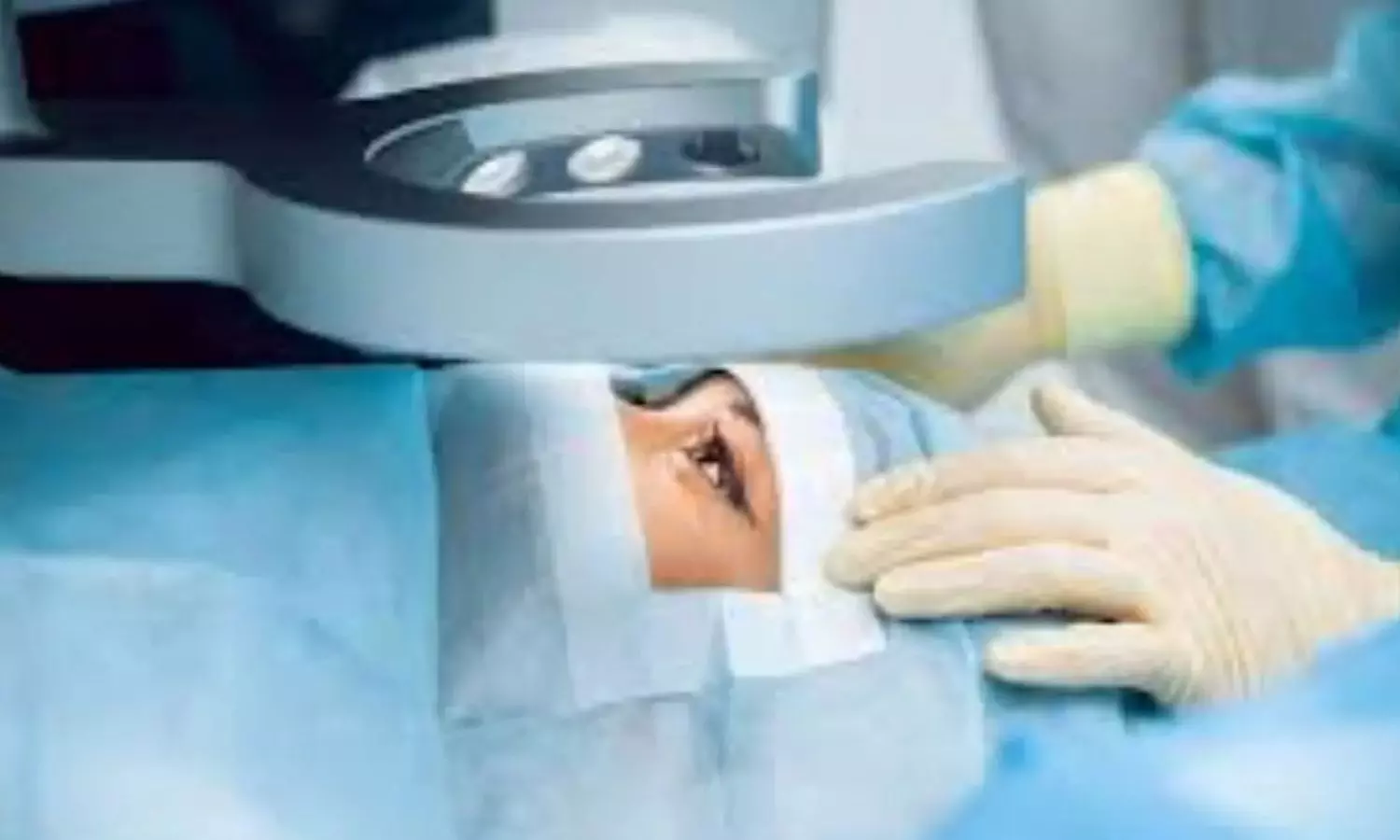


A recent meta-analysis published in the Indian Journal of Ophthalmology in June 2026 establishes argon laser photocoagulation as a highly effective, exceptionally safe first-line treatment for misdirected trichiasis, boasting a remarkable 4.1% final recurrence rate and near-zero clinical complications.
While mechanical epilation, electrocoagulation, cryotherapy, and invasive surgery have traditionally been utilized to manage trichiasis, ongoing clinical debates regarding their widely varying recurrence rates, potential for tissue scarring, and lower success rates highlighted a critical evidence gap; consequently, lead author Louis Escassut and his dedicated research colleagues from the University Hospital of Clermont-Ferrand aimed to definitively evaluate the long-term efficacy, safety profile, and operational factors influencing argon laser photocoagulation outcomes.
Therefore, the meta-analysis of 20 studies evaluated 1,044 patients to determine the precise recurrence rate of trichiasis following argon laser therapy over a 1- to 48-month follow-up. Excluding complex cases involving entropion, lid deformities, or excessive lashes, the review focused primarily on post-laser recurrence, while secondarily assessing safety profiles, optimal laser settings, and the clinical necessity of multiple treatments.
Key Clinical Findings of the Review Includes:
• Overall Efficacy: Investigators found that diligently completing all sequential argon laser sessions drastically reduces the final trichiasis recurrence rate to a mere 4.1%, ensuring robust long-lasting relief for patients suffering from this abrasive condition.
• Single-Session Limitation: The comprehensive review indicates a substantial 35.8% recurrence rate following just one initial laser session, underscoring to healthcare professionals (HCPs) the absolute clinical necessity of planning multiple sequential treatments for permanent and total lash follicle destruction.
• Exceptional Safety: Researchers reported an exceedingly low overall eyelid complication rate of just 0.1%, with remarkably minimal instances of structural notching (0.1%), aesthetic hypopigmentation (0.0%), and virtually nonexistent post-procedure pain (0.0%), solidifying the procedure's high tolerability.
• Optimal Parameters: The detailed meta-regression analysis revealed that utilizing a wider laser spot size (200 µm versus 50 µm), higher power levels (ranging from 1000 to 1500 mW), and maintaining a maximum tissue penetration depth under 3 millimeters significantly decreases the likelihood of future lash recurrence.
• Postoperative Care: Clinical data distinctly demonstrates that prescribing postoperative topical antibiotics, either utilized alone or successfully combined with corticosteroids, strongly reduces the subsequent recurrence risk by an impressive 26.4% when directly compared to providing no postoperative topical treatment at all.
The results suggest that argon laser photocoagulation is an exceptionally successful, highly tolerable, and remarkably safe therapeutic modality for trichiasis, yielding a definitive 95.9% ultimate success rate—reflecting the exceptionally low 4.1% recurrence data—when patients meticulously undergo the necessary repeated treatment sessions.
Thus, the study concludes for practicing clinicians, argon laser photocoagulation presents an optimal, easily implemented first-line approach for managing patients with a limited number of aberrant eyelashes, provided that both the healthcare provider and the patient are thoroughly prepared for the strong likelihood of requiring multiple sequential treatment sessions to achieve definitive, permanent results.
Although the substantial methodological heterogeneity observed among the included studies and the heavy reliance on observational data inherently limit the broad generalizability of these pooled findings, future clinical research incorporating highly standardized treatment protocols and robust, long-term RCTs would be beneficial to further strengthen this promising evidence base.
Reference
Escassut, L., Franceschino, A., Baker, J. S., Zak, M., Ugbolube, U. C., Chiambaretta, F., & Dutheil, F. (2026). Efficiency and safety of argon laser in trichiasis: A systematic review and meta-analysis. Indian Journal of Ophthalmology.