
Biomedical functions and applications of nanomaterials in tumor diagnosis and treatment: perspectives from ophthalmic oncology
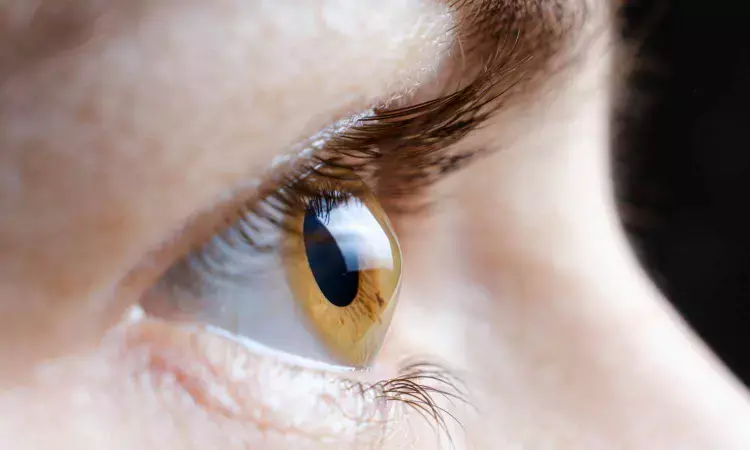


Eye tumors are difficult to treat because drugs often struggle to reach tumor tissue without damaging healthy structures of the eye. A new review published in Biofunctional Materials summarizes how nanomaterials-extremely small, engineered particles-could improve both the diagnosis and treatment of eye cancers. The authors highlight recent advances, key challenges, and future directions for using nanotechnology to achieve safer and more precise eye tumor care.
Treating tumors inside the eye presents unique challenges. The eye is a small and highly sensitive organ, protected by biological barriers that limit drug penetration. While surgery, chemotherapy, and radiotherapy can control tumor growth, they may also damage healthy eye tissue or impair vision. As a result, there is a growing need for treatment strategies that are both effective and precise.
In a review published in Biofunctional Materials, researchers from Peking University First Hospital examine how nanomaterials may offer new solutions for diagnosing and treating eye tumors. Nanomaterials are extremely small particles that can be designed to carry drugs, enhance imaging, and respond to external triggers such as light or ultrasound.
The review describes how advances in polymer-based nanoparticles have improved drug stability and delivery. By protecting therapeutic agents and releasing them in a controlled manner, these nanoparticles can increase the amount of drug reaching tumor tissue while reducing unwanted side effects. Some nanomaterials also enhance medical imaging, allowing tumors to be detected earlier and monitored during treatment.
A key focus of the review is the concept of “theranostics,” which combines diagnosis and therapy within a single platform. According to the authors, this approach may help clinicians better tailor treatments to individual patients by providing real-time information about tumor location and treatment response.
Despite encouraging progress, the researchers note that several challenges remain. Long-term safety within the eye, possible immune reactions, and differences between individual tumors continue to slow clinical translation. Addressing these issues will be essential before nanomaterial-based therapies can be widely adopted in clinical practice.
Looking ahead, the review points to several promising directions for future research. These include more precise targeting strategies, combining nanomedicine with gene or immune-based therapies, and using artificial intelligence to guide the design of safer and more effective nanomaterials. Personalized approaches based on tumor characteristics may further improve outcomes for patients with eye cancer.
By summarizing current advances and remaining obstacles, this review provides a clear overview of how nanotechnology could play an increasingly important role in the future of eye tumor diagnosis and treatment.
Reference:
Xu X, Li Q, Ye Y, Li J, Hu Z, et al. Biomedical functions and applications of nanomaterials in tumor diagnosis and treatment: perspectives from ophthalmic oncology. Biofunct. Mater. 2025(4):0018, https://doi.org/10.55092/bm20250018.
