Early Surgery Restores Vision in Severe Carbide Gun Eye Trauma, Suggests Study
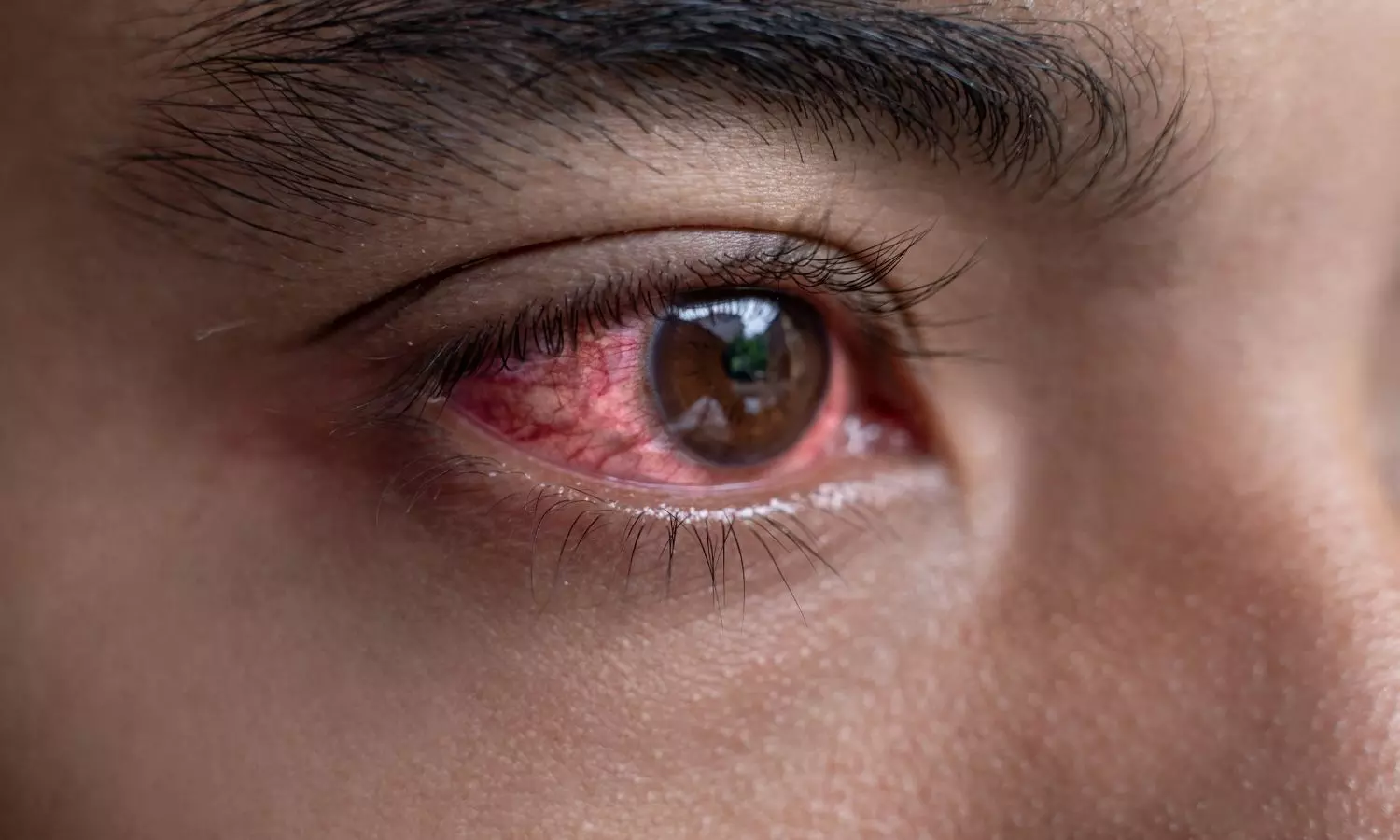


A recent observational study published in the Indian Journal of Ophthalmology in October 2026 reveals that early amniotic membrane transplantation yields rapid visual recovery in severe carbide gun ocular burns. Despite 64.8% of young patients suffering advanced grade IV to VI injuries, prompt surgical intervention improved mean visual acuity from 2.09 to 0.80 logMAR within just one week.
Although festive firecracker trauma accounts for 18% to 45% of permanent visual impairment, improvised calcium carbide (CaC₂) devices made from polyvinyl chloride (PVC) pipes created an unstudied health emergency, as prior literature covering 90 cases lacked data on acute-phase presentation and management. To address this clinical gap, Dr. Rakhi Kusumesh and co-investigators from the Regional Institute of Ophthalmology at Indira Gandhi Institute of Medical Sciences in Patna, India, evaluated the clinicodemographic features, initial damage, and short-term treatment outcomes of patients presenting during an acute outbreak.
Therefore, the ambispective observational study evaluated 37 male patients (median age 15) presenting with carbide gun ocular trauma at a tertiary eye center in Patna, India, over a 10-day festive period. Researchers tracked visual acuity, burn severity, and corneal thickness over four weeks to assess recovery following severity-guided management, including amniotic membrane transplantation and collagen sheet application.
Key Clinical Findings of the Study Include:
- High-Risk Demographics: All 37 patients were male (median age 15 years) injured at home, with 83.8% injured while inspecting a home-assembled PVC gun following ignition failure, as Kusumesh documented.
- Severe Surface Involvement: Thermochemical burns with embedded calcium particles affected the right eye in 89.2% of cases, with 64.8% classified as Dua's grade IV–VI injuries and 21.6% showing total corneal opacity.
- Rapid Visual Recovery: Following early AMT in 81.0% of eyes, mean BCVA improved from 2.09 ± 0.79 logMAR at presentation to 0.80 ± 0.44 logMAR at one week, while mean CT decreased from 798.5 ± 141.9 µm to 537.5 ± 39.7 µm.
- Eyelid Burn Healing: Dry collagen sheet application in 94.5% of patients with second-degree eyelid burns promoted re-epithelialization without skin grafting, though 3 cases needed secondary surgery for cicatricial complications.
- Emerging Deficiency: Despite early visual stabilization, eyes with grade IV or higher burns developed corneal neovascularization at four weeks, signaling early limbal stem cell deficiency (LSCD).
The results suggest that while prompt intervention with AMT significantly enhances short-term visual recovery (improving mean logMAR BCVA from 2.09 to 0.80) and resolves corneal edema (reducing mean CT from 798.5 µm to 537.5 µm), severe grade IV–VI burns carry a substantial risk of LSCD. Consequently, early surgical debridement stabilizes acute thermochemical ocular trauma, but long-term monitoring remains necessary for severe burns.
Thus, the study concludes clinicians managing acute carbide gun trauma should perform immediate ocular irrigation with foreign particle removal, initiate early amniotic membrane transplantation for grade III or higher burns, apply collagen sheets for partial-thickness eyelid injuries, and maintain long-term follow-up to detect secondary corneal neovascularization.
Although constrained by a single-center cohort, a short four-week follow-up, and prior community treatment in 86.5% of patients, this study highlights the necessity for multi-center longitudinal research to track permanent visual outcomes and limbal stem cell deficiency progression.