IL-6 Inhibitors May Reduce the Risk and Progression of Diabetic Retinopathy: Study
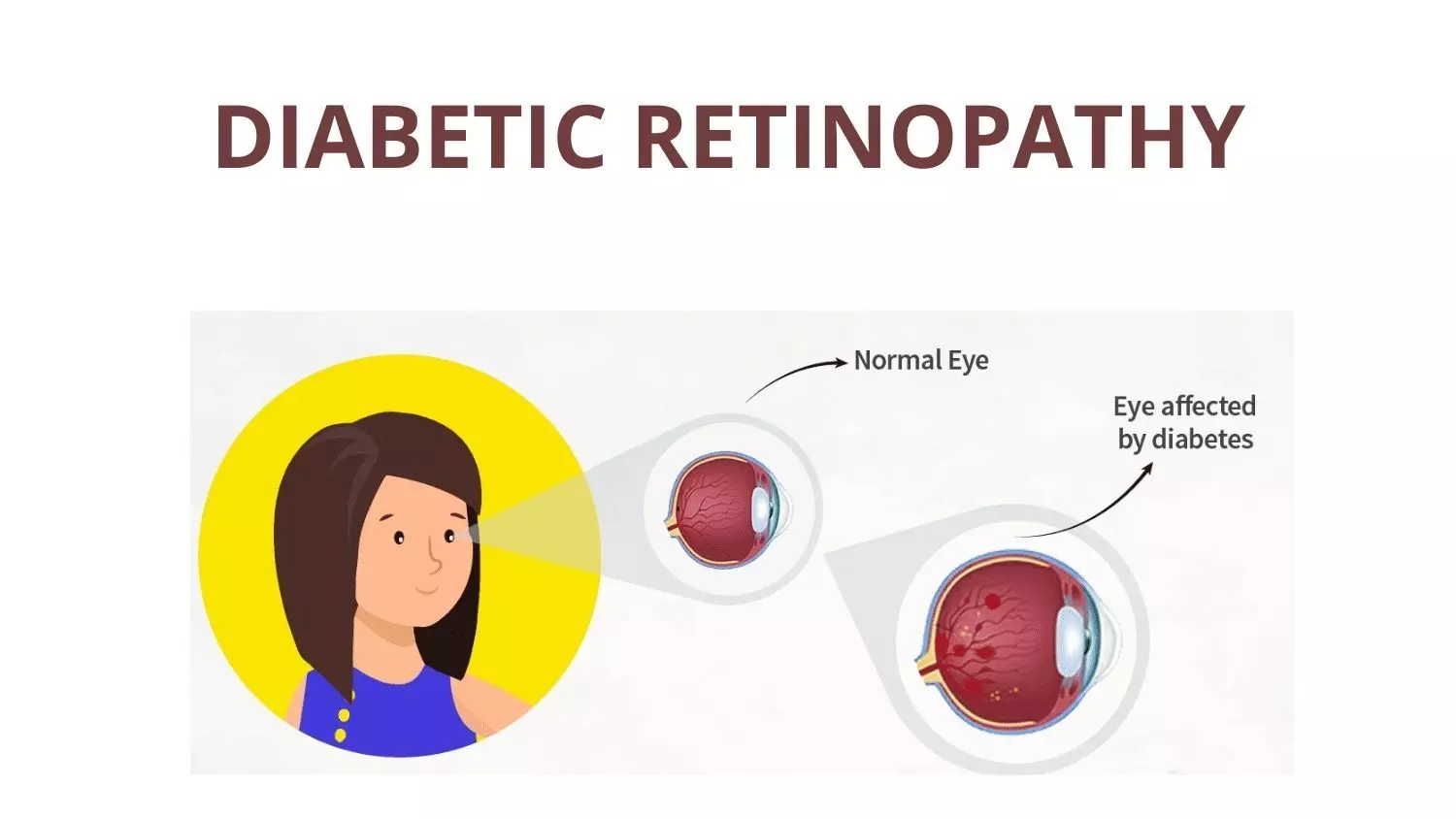


Diabetic patients receiving interleukin-6 (IL-6) inhibitors for other medical conditions had a significantly lower risk of developing diabetic retinopathy (DR) when compared to matched controls, according to a study published in the journal of Ophthalmology. The treatment was also associated with reduced risk of DR progression and the need for ophthalmic interventions.
Systemic interleukin-6 (IL-6) inhibitors may offer a potential protective association against diabetic eye disease, according to findings from study using data from the US TriNetX healthcare network. Thus, this study evaluated whether IL-6 pathway inhibition was associated with reduced incidence and progression of diabetic retinopathy, as well as fewer sight-threatening complications and retinal interventions.
This study identified adults with type 1 or type 2 diabetes between January 1, 2004, and May 30, 2026. Following 1:1 propensity score matching, the primary analysis included 2,605 patients receiving systemic IL-6 inhibitors and 2,605 matched controls. A secondary analysis examined 1,057 matched patients in each group with pre-existing nonproliferative diabetic retinopathy (NPDR).
The study assessed the risks of developing NPDR and proliferative diabetic retinopathy (PDR), along with complications including diabetic macular edema (DME), vitreous hemorrhage (VH), and neovascular glaucoma (NVG). The need for anti-vascular endothelial growth factor (anti-VEGF) injections, panretinal photocoagulation (PRP), and pars plana vitrectomy (PPV) was also evaluated over one-, three-, and five-year follow-up periods.
IL-6 inhibitor use was associated with approximately 50% lower 5-year risk of developing NPDR and 53% lower risk of PDR when compared to matched controls. The association extended to other vision-threatening complications, with a 63% lower risk of DME and a 59% lower risk of vitreous hemorrhage. No statistically significant difference was observed for neovascular glaucoma.
Patients receiving IL-6 inhibitors also had significantly lower 5-year rates of retinal interventions, including anti-VEGF therapy, PRP, and PPV, which suggests a potential reduction in the clinical burden of advanced diabetic eye disease.
Among patients with established NPDR, IL-6 inhibitor use was similarly associated with lower risks of progression to PDR, DME, VH, NVG, and the need for retinal interventions. Importantly, the findings remained consistent in active comparator analyses involving alternative immunosuppressive treatments.
These findings highlight the potential importance of inflammatory pathways in diabetic retinal disease. Overall, IL-6 inhibition may represent a promising therapeutic pathway for preventing and slowing diabetic retinopathy, which highlighted the potential role of inflammation in its pathogenesis. Further prospective clinical trials are needed to establish efficacy and safety.
Source:
Abdi, A., Alshaikhsalama, A., Zaidi, Z., Alsoudi, A. F., Yuan, M., Faia, L. J., Mruthyunjaya, P., & Rahimy, E. (2026). Systemic interleukin-6 inhibition and risk of diabetic retinopathy development and progression. Ophthalmology. https://doi.org/10.1016/j.ophtha.2026.07.029