
Large-scale genetic study sheds light on the background of allergic conjunctivitis
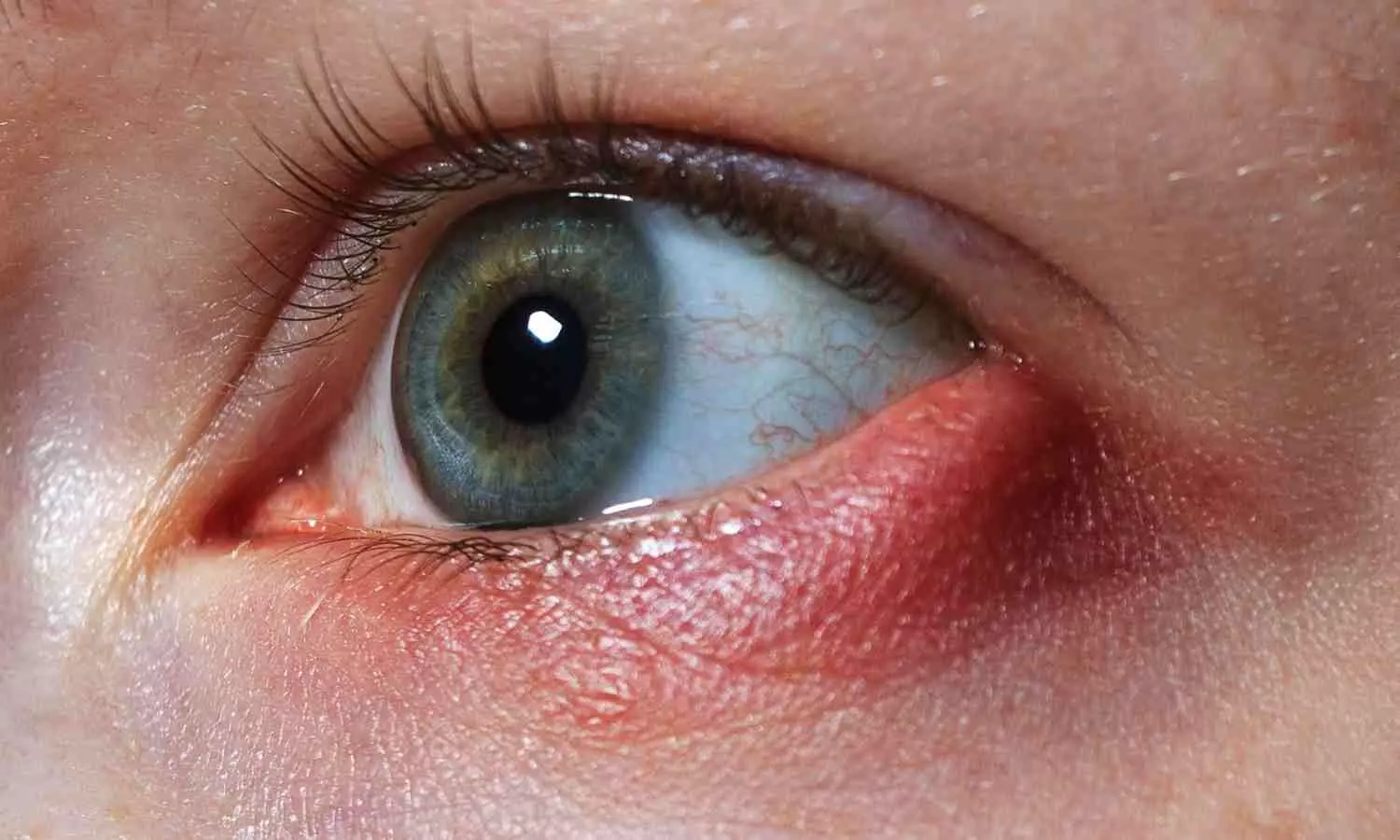


Itchy, red and watery eyes are familiar symptoms for many people, especially during the spring and summer pollen season. Allergic conjunctivitis is a very common condition, but its hereditary background has not previously been well understood.
An international study led by the University of Oulu provides new insight into why some people develop allergic eye symptoms easily, while others experience no symptoms at all, even when exposure is similar.
The researchers analysed genetic data from more than 45,000 people with allergic conjunctivitis and over one million control individuals. The datasets were compiled from population-based biobanks in Finland, Estonia and the United Kingdom. This is the largest genetic study of allergic conjunctivitis conducted to date.
Dozens of genetic regions linked to allergic conjunctivitis
The study identified 34 genetic regions associated with the risk of allergic conjunctivitis. Many of the predisposing genes affect immune system function and inflammatory responses.
Several of the identified regions have previously been linked to other allergic diseases, such as asthma, allergic rhinitis and atopic dermatitis. This suggests that allergic conjunctivitis is part of a broader spectrum of allergic conditions.
According to the researchers, the findings support the view that allergic conjunctivitis is not merely a local eye symptom, but is connected to the functioning of the body’s immune system as a whole.
The study also identified three genetic regions that have not previously been associated with allergic diseases.
In addition, the research showed that allergic conjunctivitis is genetically linked to several other traits and diseases. In total, associations were found with 27 different conditions, many of which are related to inflammation and immune system regulation.
Genes alone do not explain symptoms
According to the researchers, genes alone do not cause allergic conjunctivitis; environmental factors, such as exposure to allergens, continue to play a central role. However, genes may influence how readily an inflammatory response is triggered and how severe the symptoms are. This may partly explain why eye symptoms vary widely between individuals and why, in some people, symptoms are recurrent or more severe.
“Because we identified genetic regions whose association with allergic conjunctivitis has not been described previously, our study significantly increases understanding of the hereditary background of allergic conjunctivitis,” says Docent Minna Karjalainen.
“Better knowledge of genetic risk factors may in the future help to develop more targeted treatments and preventive measures for this very common condition,” state Chief Ophthalmologist Ville Saarela and Doctoral Researcher Fredrika Koskimäki.
Reference:
FinnGen, Estonian Biobank Research Team et al., Characterization of genetic loci associated with allergic conjunctivitis, Journal of Allergy and Clinical Immunology, DOI: 10.1016/j.jaci.2025.12.1000
