
Posterior Subtenon Interferon Alfa-2B Resolves Refractory Ocular Fluid in central macular thickness, Suggests Study
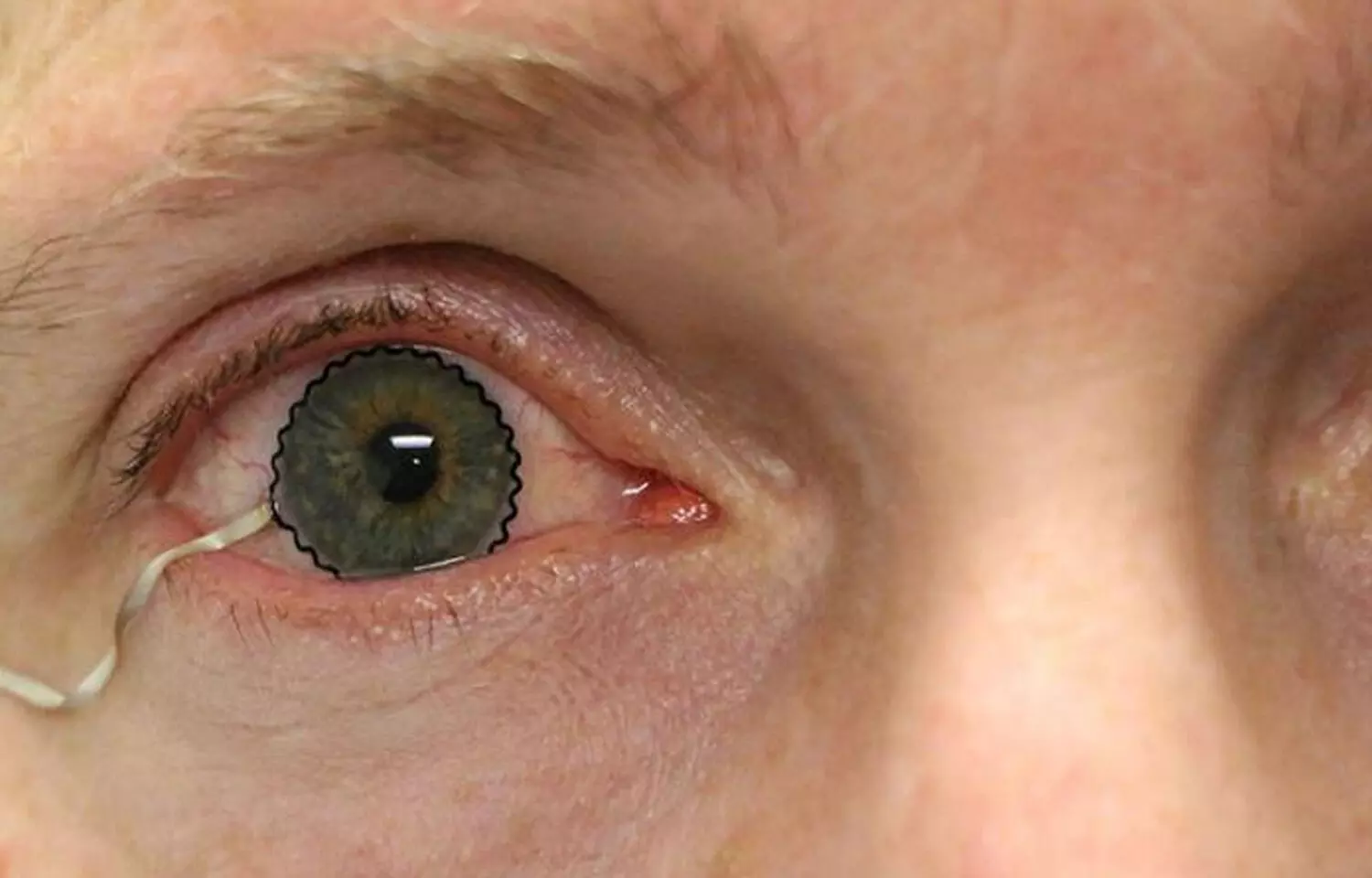


A recent retrospective study in the Indian Journal of Ophthalmology in November 2025 reveals that a single posterior subtenon injection of interferon alfa-2B (PSII) can rapidly resolve refractory ocular fluid, achieving a significant mean 187.27 µm reduction in central macular thickness within just one week.
To prevent vision loss from persistent macular edema while bypassing steroid-induced cataracts and ocular hypertension, Dr. Ankush Kawali’s team at Narayana Nethralaya evaluated posterior subtenon interferon alfa-2B. This targeted delivery method addresses the penetration barriers of topical treatments, offering a potent, steroid-sparing strategy for recurrent inflammatory cases.
Therefore, the retrospective study at a South Indian tertiary center analyzed 13 patients (mean age 46.2 years) with recurrent inflammatory macular edema (IME), defined as <50 µm improvement on SD-OCT following prior therapy. Participants with various etiologies, including pseudophakic or post-endophthalmitis edema, received a single 1 MIU posterior subtenon injection of interferon alfa-2b; patients with diabetic macular edema were excluded.
Key clinical findings from the study includes:
• Rapid Anatomical Resolution: The study observed a dramatic reduction in mean central macular thickness (CMT) from a baseline of 639.0 µm to 427.45 µm at just one week post-injection (P < 0.001).
• Visual Acuity Gains: Functional outcomes mirrored anatomical improvements, with mean best-corrected visual acuity (BCVA) significantly enhancing from 20/70 (0.57 logMAR) at baseline to 20/40 (0.33 logMAR) by the one-month mark.
• Sustained Structural Improvement: Despite a slight increase in fluid between months one and two to 500.62 µm, the mean central macular thickness remained significantly lower than the pre-treatment baseline (P < 0.05).
• Predictable Safety Profile: Most patients tolerated the intervention without significant systemic side effects or interferon-associated retinopathy, although one patient with a history of endophthalmitis developed delayed granulomatous anterior uveitis.
• Procedural Discomfort: Nearly half of the participants reported moderate to severe pain immediately upon drug administration despite topical anesthesia, a unique finding the study notes may be mitigated by pre-procedural oral analgesics.
The results suggest that a single posterior subtenon injection of interferon alfa-2B acts as an effective, rapid-acting therapeutic option for reducing macular thickening and restoring vision in patients who are unresponsive to or cannot tolerate conventional steroid-based regimens.
Thus, the study concludes clinicians may find this approach particularly valuable as a steroid-sparing strategy to manage complex, recurrent edema while avoiding the systemic and local complications typical of prolonged corticosteroid use.
While these initial findings are encouraging, the limited sample size and retrospective nature of the work suggest that larger, prospective trials are essential to determine optimal dosing frequencies and confirm the long-term stability of this treatment.
Reference
Kawali A, Mishra SB, Mahendradas P, Shetty R. Efficacy and safety of posterior subtenon interferon alfa-2B injection in recurrent inflammatory macular edema. Indian J Ophthalmol 2025;73:1602-6.
