
SGLT-2 Inhibitors Have Neutral Impact on Incidence of Diabetic Retinopathy Risk: Study Finds
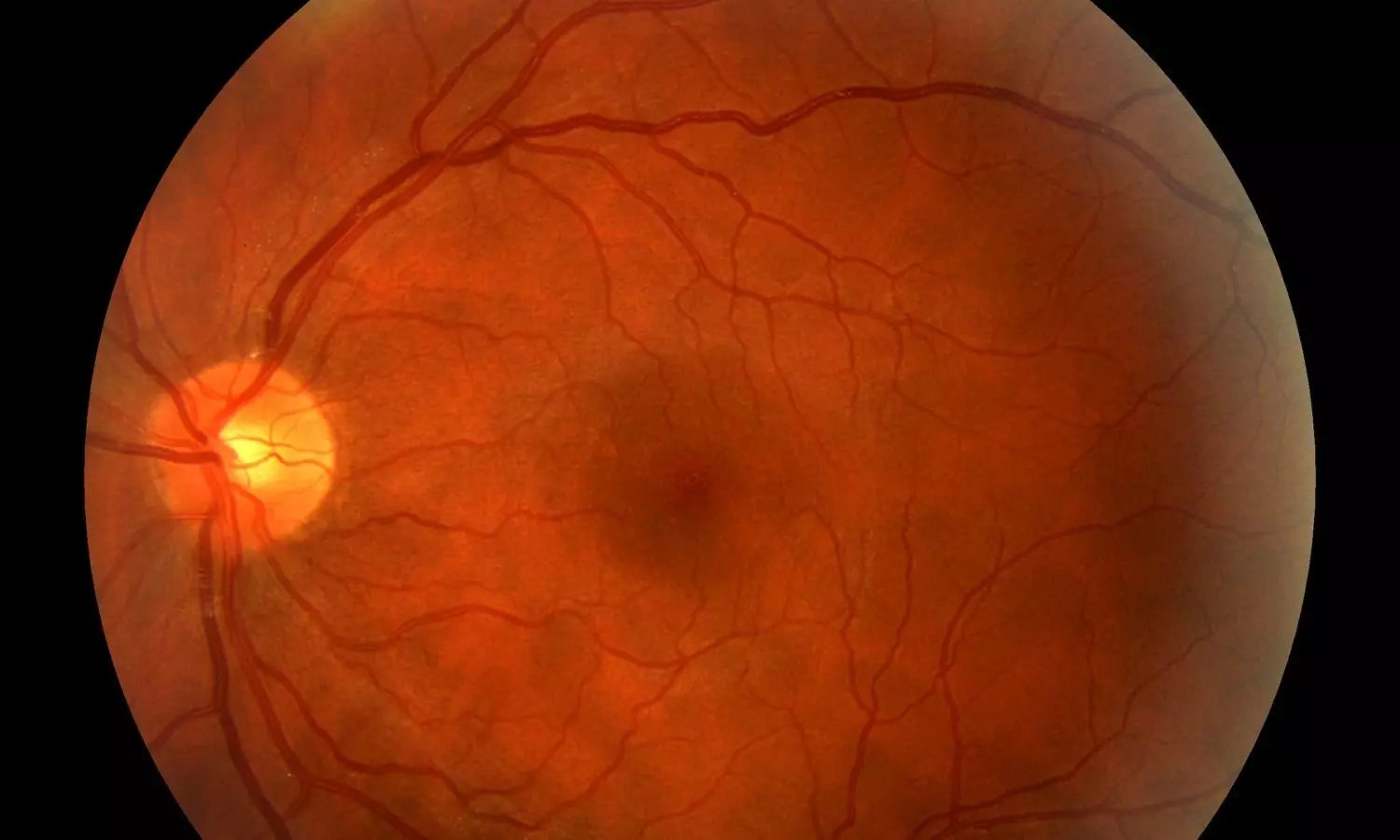


Spain: Researchers have found in a new study that sodium-glucose cotransporter-2 (SGLT-2) inhibitors have a neutral effect on the incidence of diabetic retinopathy, with no evidence of a dose–response relationship. While baseline retinopathy risk may influence relative outcomes, retinal safety alone should not determine drug choice. Instead, treatment decisions should continue to focus on overall efficacy, safety, and individual patient factors, with further trials needed to provide definitive ophthalmic data.
The findings were published online in the International Journal of Clinical Pharmacy on December 9, 2025.
Diabetic retinopathy remains one of the most common microvascular complications of type 2 diabetes and a leading cause of vision loss worldwide. Although SGLT-2 inhibitors are now widely prescribed for glucose control and for their cardiovascular and renal benefits, uncertainty has persisted about their long-term effects on retinal health. To address this question, Ortiz-Seller A and colleagues from La Fe University and Polytechnic Hospital, Valencia, conducted a comprehensive network meta-analysis of randomised clinical trials.
The researchers systematically searched major databases, including PubMed, Embase, Web of Science, and ClinicalTrials.gov, identifying eligible trials published up to August 25, 2025. Included studies enrolled adults with type 2 diabetes and compared SGLT-2 inhibitors with placebo or other active treatments while reporting diabetic retinopathy outcomes. A Bayesian random-effects network meta-analysis was used to estimate relative odds and rank individual drugs.
In total, 30 randomised trials involving more than 70,000 participants were analysed, covering eight different SGLT-2 inhibitors. Across all comparisons, no agent significantly increased or reduced the risk of diabetic retinopathy compared with placebo. All estimates had wide credible intervals crossing unity, indicating an overall neutral effect of the drug class on retinal outcomes.
The following were the key findings of the study:
- Probability rankings showed numerical variation across individual SGLT-2 inhibitors, with empagliflozin ranking most favourably and luseogliflozin least favourably, although these differences were not statistically significant and should be interpreted with caution.
- Confidence in many of the comparisons was low, mainly due to imprecision and dependence on indirect evidence, as none of the included trials were specifically designed with diabetic retinopathy as a primary endpoint.
- Baseline diabetic retinopathy risk appeared to influence relative outcomes, with studies reporting higher placebo event rates showing lower relative odds of retinopathy among patients treated with SGLT-2 inhibitors.
- This effect modification suggests that underlying patient risk may shape observed results but does not imply either a protective or harmful retinal effect of SGLT-2 inhibitors.
- No dose–response relationship was observed for diabetic retinopathy, in contrast to the clear dose-dependent benefits of SGLT-2 inhibitors on glycaemic control, body weight, and blood pressure.
- The absence of a dose effect indicates that retinal outcomes may be driven by mechanisms distinct from other metabolic improvements associated with this drug class.
Overall, the study provides reassuring evidence that SGLT-2 inhibitors do not meaningfully alter diabetic retinopathy risk. The authors conclude that clinicians should prioritise proven cardiometabolic benefits, tolerability, and patient-specific needs when selecting therapy, while calling for dedicated trials with predefined ophthalmic endpoints to better clarify long-term retinal safety.
Reference:
Ortiz-Seller, Amparo, et al. "Sodium-glucose Cotransporter-2 Inhibitors and Risk of Diabetic Retinopathy in Type 2 Diabetes: a Network Meta-analysis of Randomised Clinical Trials." International Journal of Clinical Pharmacy, 2025.

Next Story