
Smartphone-Based 3D Reconstruction Enables Quantitative Assessment of Blepharoptosis: JAMA
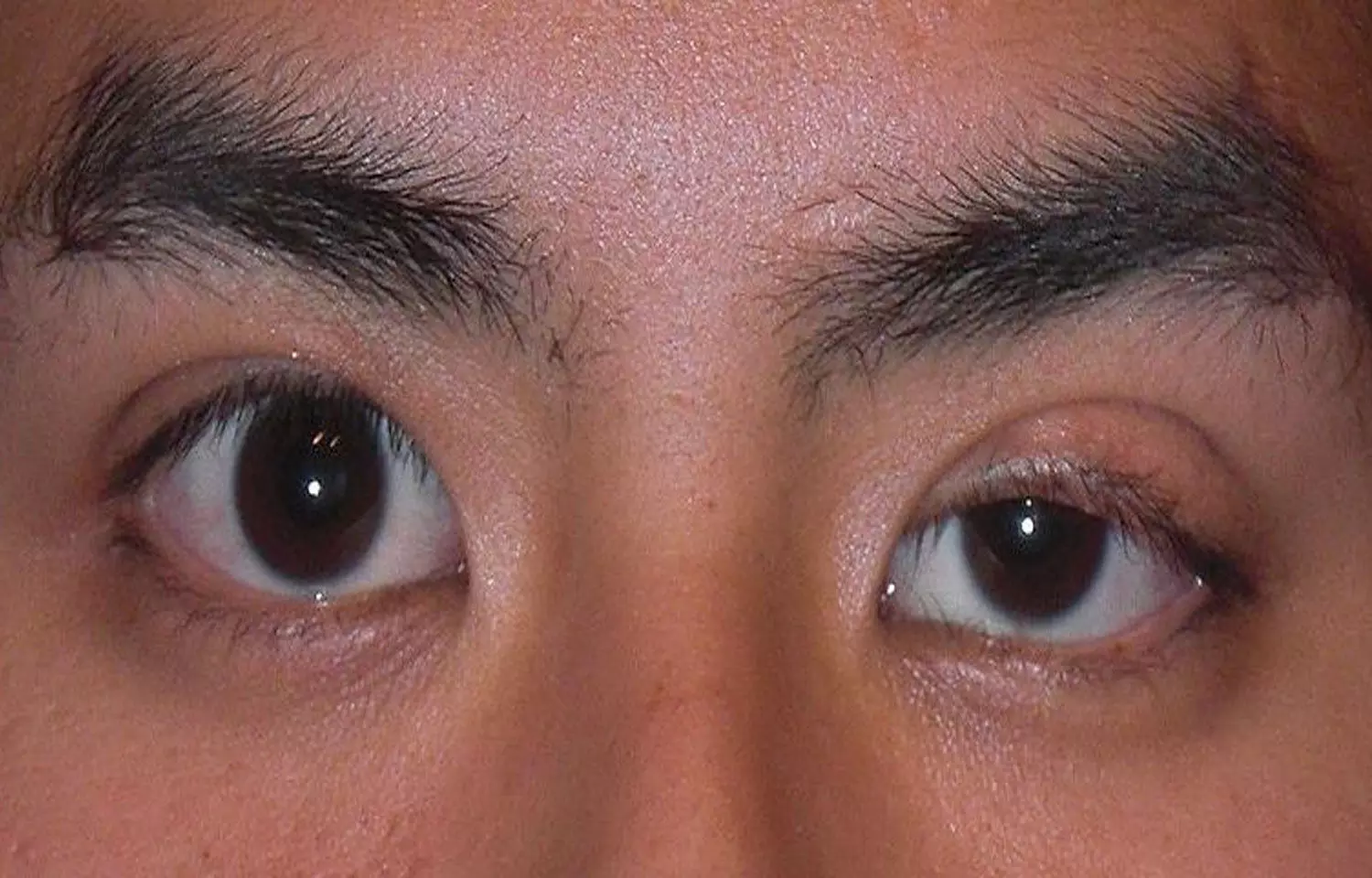


A new study published in the Journal of American Medical Association showed that the use of smartphones for 3D eye reconstruction could offer precise, consistent, and easily expandable evaluation of the external eye.
The assessment of ptosis heavily relies on examining the external eye, but this process often involves manual measurements that vary in accuracy and consistency due to being dependent on experience. Thus, this research aimed to create and test the Digital Rulers of Ptosis (DRP), a smartphone application that uses a 3D reconstruction system to automatically measure and evaluate external eye features like marginal reflex distance 1 (MRD1) and levator muscle function (LF) in cases of blepharoptosis, along with providing clinical classification.
In 2025, a diagnostic/prognostic research study was carried out in a prospective manner at 5 hospitals. Individuals aged 3 years and above were subjected to video recording using a smartphone and evaluated by an oculoplastic specialist on the same day, considered as the gold standard. Patients who had surgery had their MRD1 and LF measurements reassessed by the specialist three months after the operation to check for any reappearance of the condition. The DRP utilizes a brief smartphone video for reconstructing in 3D, converting units of measurement, and ensuring real-time quality control.
The level of agreement between DRP and specialist measurements was evaluated using the mean absolute error (MAE) and intraclass correlation coefficient. The accuracy of the diagnosis was determined by metrics such as the area under the receiver operating characteristic curve (AUC), sensitivity, specificity, positive predictive value, and negative predictive value. Recurrence of the condition three months after surgery was also evaluated for those who underwent the procedure.
In a study involving 952 individuals , the DRP method demonstrated strong agreement with expert assessments for MRD1 and LF. The accuracy of diagnosis was excellent for ptosis (area under the curve, 0.97) and selection of the surgical approach (area under the curve, 0.98), with consistent results observed across different demographic categories. Among the 248 eyes that underwent surgery, the recurrence rate at 3 months post-operation was 7.3% (18 out of 248).
Overall, consumer smartphones could aid in precise, understandable, and expandable quantitative ptosis evaluation. By facilitating accurate MRD1 and LF measurement with quality assurance for practical screening, DRP might decrease instances of overlooked and misdiagnosed cases, as well as lower the chances of repeat surgeries by providing more reliable decision-making support.
Reference:
Yang, Y., Han, Y., Wang, R., Ling, S., Lyu, J., Li, C., Zhao, L., Wu, Q., Wen, J., Cui, T., Li, Y., Lai, Y., Zeng, D., Chen, X., Zhang, Y., Ye, L., Yang, W., Gao, X., Hu, J., … Lin, H. (2026). Smartphone-based 3D ocular reconstruction for automated quantitative blepharoptosis evaluation. JAMA Ophthalmology. https://doi.org/10.1001/jamaophthalmol.2026.4120

