
Social Deprivation Strongly Predicts Worse Diabetic Retinopathy Outcomes in Type 2 Diabetes: Study
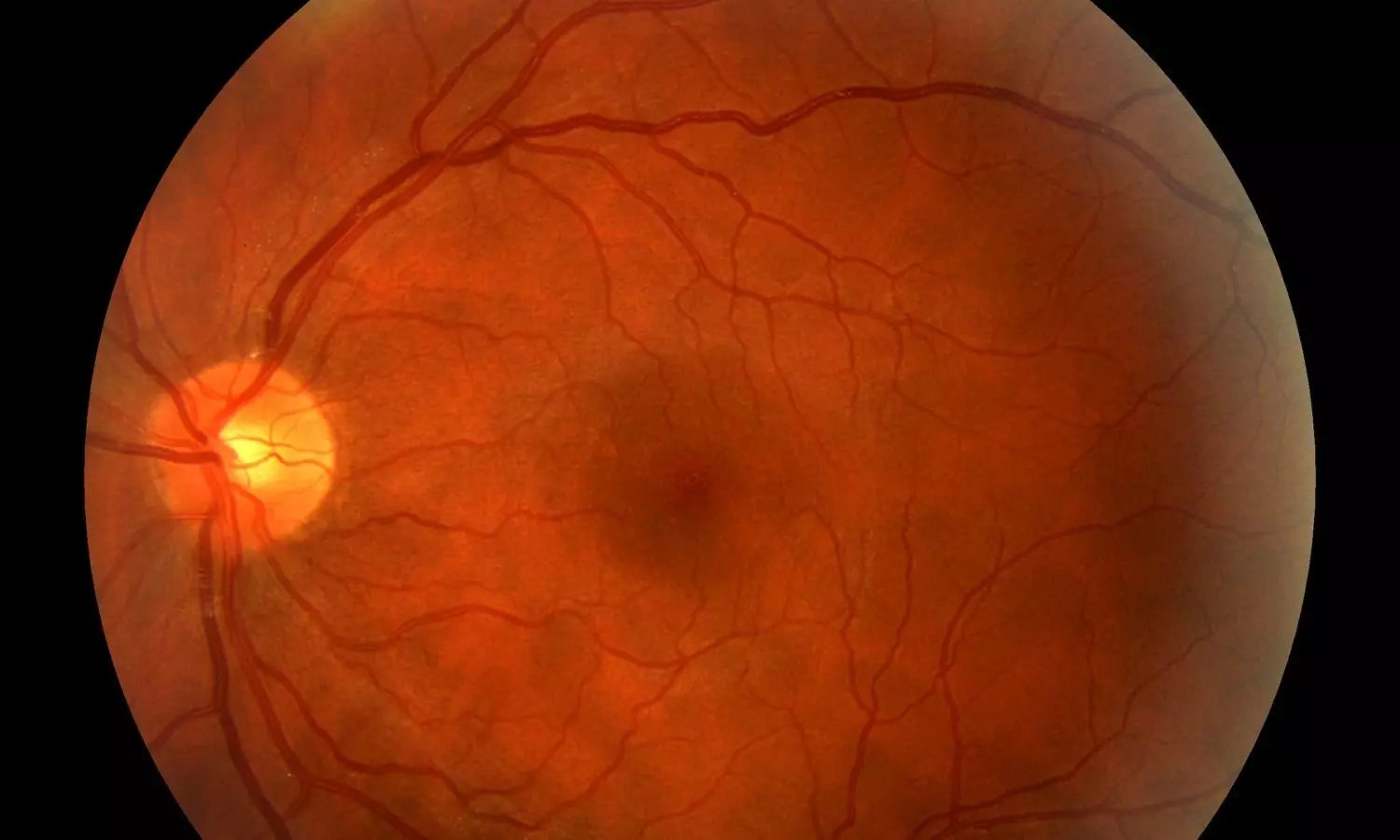


USA: Researchers have found in a new study that social deprivation-such as low income and unstable housing-significantly increases the risk and severity of diabetic retinopathy in patients with type 2 diabetes, even when they adhere to treatment.
Analyzing data from 3.7 million patients, researchers found higher rates of complications like retinal detachment and macular edema among socially deprived individuals over ten years. The findings emphasize that social determinants strongly shape long-term diabetes outcomes and must be addressed in patient care.
A new study published in the journal Eye highlights that despite receiving regular care and adhering to prescribed treatments, individuals facing socioeconomic challenges remain disproportionately at risk of diabetic retinopathy and its serious complications. The research draws attention to the powerful influence of social determinants of health—factors such as housing instability, food insecurity, and financial hardship—on the onset and progression of eye disease among patients with type 2 diabetes.
The investigators conducted a large retrospective cohort analysis using the TriNetX database, which compiles electronic health records from 70 health systems across the United States. From this network, adults diagnosed with type 2 diabetes were classified into socially deprived or non-deprived groups based on ICD-10 codes reflecting various forms of socioeconomic hardship. To ensure comparability, the two groups were matched for demographics, underlying health conditions, laboratory parameters, diabetes medications, and use of eye-care services.
The following were the key findings of the study:
- The study analysed 62,786 patients in each cohort, with an average age of 54 years.
- Over 10 years, socially deprived individuals had a 40% higher risk of developing diabetic retinopathy compared to non-deprived patients.
- Rates of severe complications—including advanced retinopathy and blindness—were significantly higher in the socially deprived group.
- Treatment nonadherence was more frequently recorded in socially deprived patients, but this did not fully account for the disparities.
- Even among patients who adhered to treatment, social deprivation increased retinopathy risk by 44% and was associated with higher use of eye-care procedures and diagnostic services.
- Disparities were most pronounced in men, Hispanic individuals, and adults aged 18–39, indicating increased vulnerability in these subgroups.
According to the authors, the findings illustrate that regular healthcare engagement alone cannot fully offset the impact of socioeconomic barriers. Even when deprived patients accessed more eye-care interventions, their long-term outcomes remained poorer than those of non-deprived individuals. This underscores the need for healthcare systems and policymakers to integrate social determinants into diabetes and eye-care strategies.
The study emphasizes the importance of targeted public health initiatives, such as enhanced screening programs, earlier intervention, and stronger coordination between medical and social support services. Addressing the root causes of social deprivation, the researchers note, will be essential for reducing the persistent inequalities seen in diabetic eye disease.
Reference:
Hong, A. T., Chwa, J. S., Humayun, L., & Ameri, H. (2025). Persistent disparities in diabetic retinopathy outcomes among socially deprived individuals despite treatment adherence. Eye, 1-9. https://doi.org/10.1038/s41433-025-04071-y

Next Story