Subretinal Gene Therapy with scAAV8-hRS1 Shows No Serious Adverse Events: NEJM
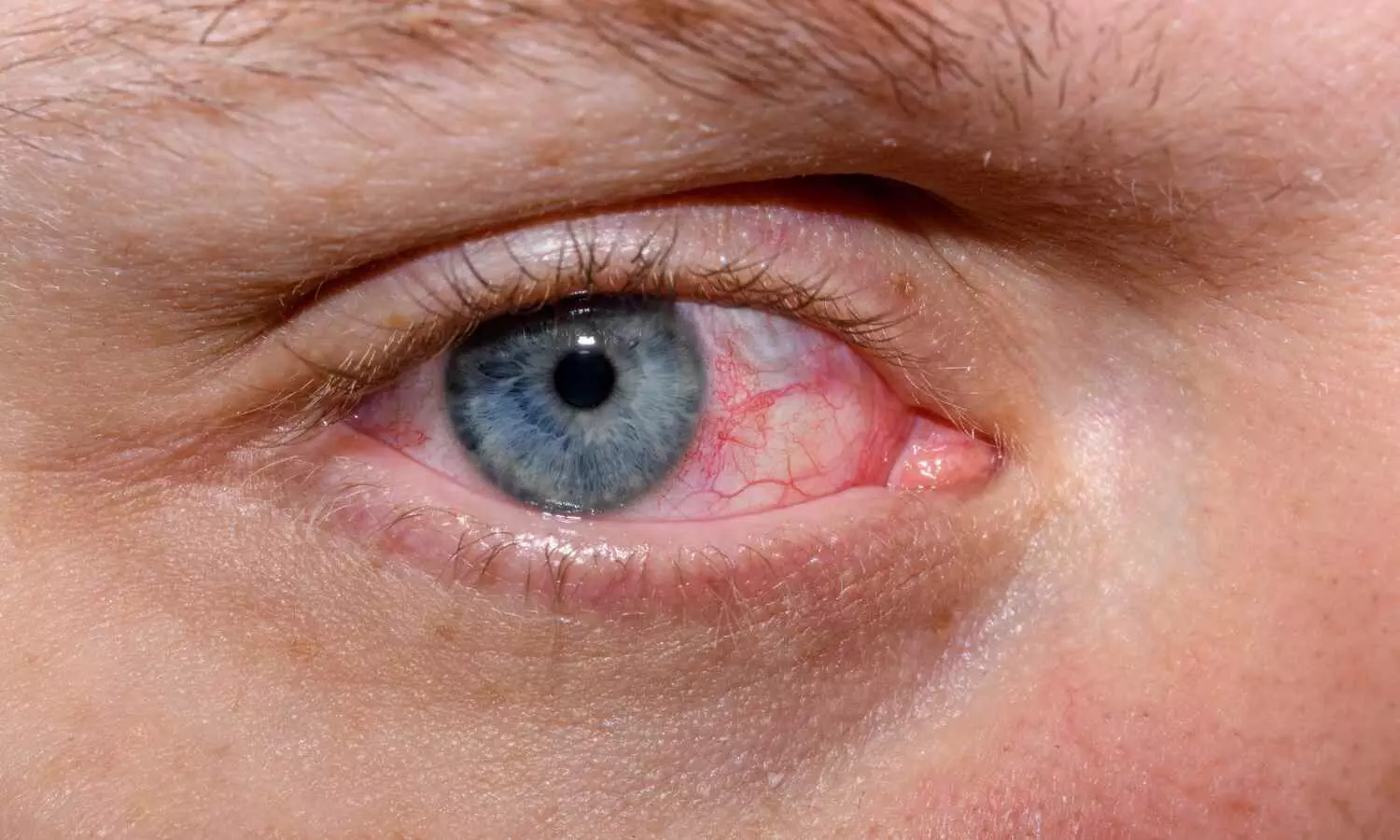


A recent Phase 1/2 trial results have shown that a single dose of an adeno-associated viral vector containing human RS1 complementary DNA delivered to the subretinal space is both safe and structural in children suffering from X-linked retinoschisis. Specifically, no cases of severe toxicity or ocular inflammation were observed, thus indicating safety. X-linked retinoschisis, also known as XLRS, is an inherited retinal disease caused by mutations in the RS1 gene. This genetic disorder manifests itself through progressive macular degeneration, leading to early-onset visual impairment in young male patients. The RS1 gene encodes a protein called retinoschisin, which maintains cellular architecture in the retina. The study was published in The New England Journal of Medicine by Licong L. and colleagues.
The investigators conducted a prospective, multi-stage clinical trial. This trial recruited a unique population of 12 patients aged between 5 and 18 years with documented clinical and genetic diagnosis of X-linked retinoschisis. There were two operational phases in the trial: a dose-escalation phase followed by a target dose expansion phase. In the dose-escalation stage of the trial, two different cohorts, each consisting of 3 patients, were recruited for treatment using a single subretinal injection of scAAV8-hRS1 gene therapy in one eye at low (7.5 * 1010 vector genomes) and high (1 * 1011 vector genomes) doses. In the second dose expansion stage of the trial, another 3 patients were recruited for each group to further confirm results. Safety up to 52 weeks after administration of the dose was the primary outcome measure. Secondary measures included changes in BCVA, SS-OCT, full-field ERG, and microperimetry over a period of 52 weeks after administration of a dose of scAAV8-hRS1 gene therapy.
Key findings:
- The genetic engineering clinical study successfully recruited, treated, and followed up 12 pediatric patients with ages ranging from 5 to 18 years.
- There were a total of 56 adverse events that occurred during the course of the study within the period of 52 weeks after surgery, and no patient experienced any grade 3 or above adverse event and no postoperative ocular inflammation.
- One localized adverse event, which is the macular hole in the eye subjected to treatment, developed in one patient in the 12 patients who received treatment at week 1.
- During the study period of 52 weeks, there was an average gain in BCVA of 10.8 letters in the treated eyes and only 2.4 letters in the untreated control eyes.
- The precision in SS-OCT imaging showed that macular schisis cavity had collapsed and closed by week 13 in the treated eye of the 12 patients involved in the study.
- There was a decrease in central retinal thickness by week 52 of −437.7 μm in the treated eyes, whereas only −17.2 μm reduction was observed in the untreated control eyes.
In summary, regarding the present investigation of subretinal delivery of scAAV8-hRS1 into 12 patients with X-linked retinoschisis, it was observed that there were no occurrences of grade 3 or above adverse events as well as ocular inflammation. There is an urgent need for further clinical trials using scAAV8-hRS1. This immensely positive finding serves as a strong scientific basis for today’s ophthalmologic treatments as it proves the fact that small-volume and target-specific vectors can effectively heal eye structures by avoiding harmful immune response.
Reference:
Liang, L., She, K., Ren, C., Li, R., Liao, M., Tao, Z., Liu, F., Su, J., Hu, M., Yang, Y., Wang, X., Zhang, C. L., Bao, L., Chen, Q., Zhang, K., Wei, Y., Yang, Y., & Lu, F. (2026). Subretinal gene therapy for X-linked retinoschisis. The New England Journal of Medicine, 394(22), 2223–2234. https://doi.org/10.1056/nejmoa2515953