
Valacyclovir May Reduce Zoster Eye Complications, suggests study
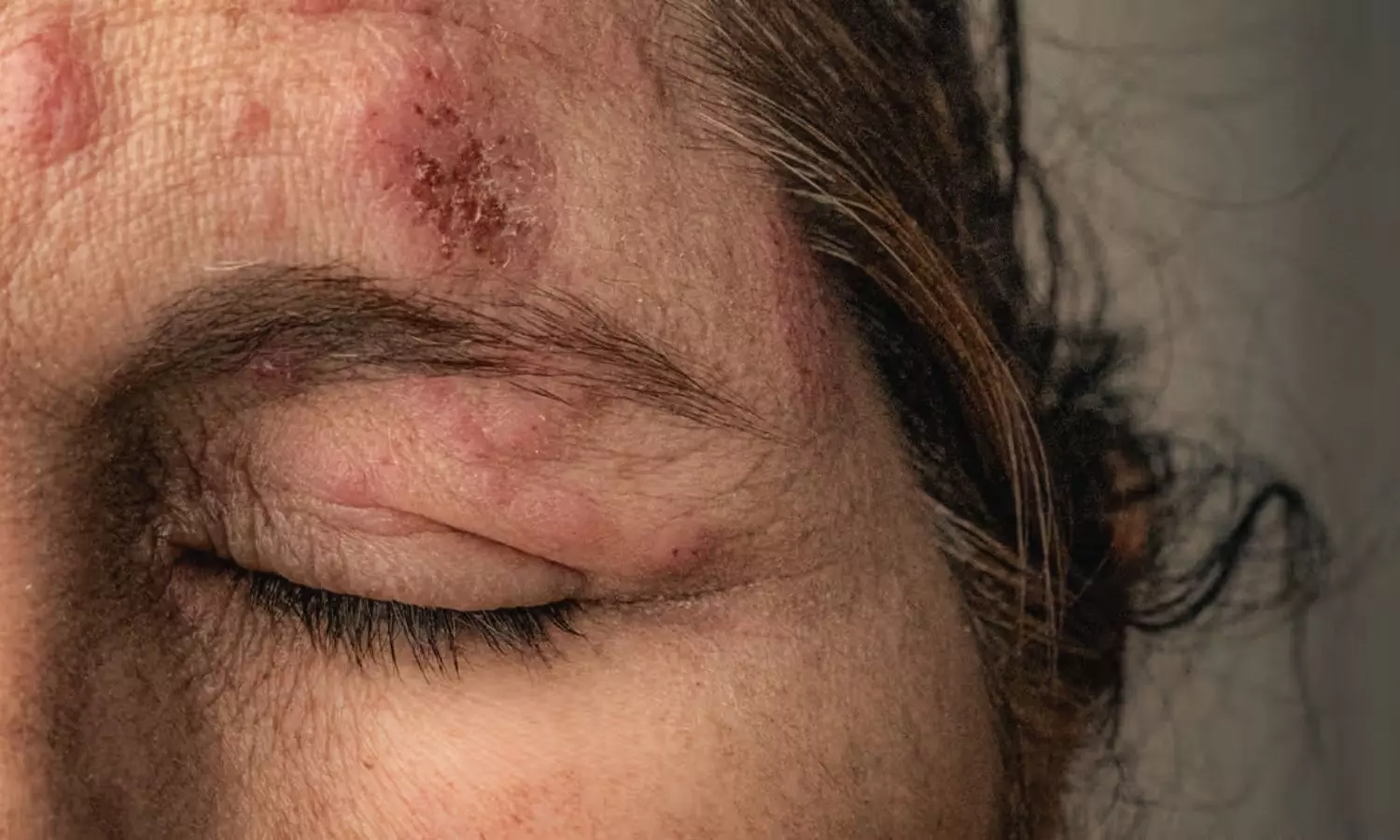


A post hoc analysis published in the JAMA Ophthalmology found that prophylactic valacyclovir reduced the risk of subsequent herpes zoster-related keratitis and iritis, although the reduction did not reach statistical significance. The apparent protective benefit was mainly seen during the early treatment and observation periods, supporting the previously recommended strategy of 1 year of valacyclovir prophylaxis in appropriate patients.
Herpes zoster ophthalmicus can lead to recurrent inflammation of the cornea and iris, increasing the risk of vision impairment. The new analysis provides additional insight into when antiviral prophylaxis may be most effective and suggests that early suppression of viral activity could produce sustained benefits beyond the treatment period.
The analysis examined whether the protective effects of suppressive valacyclovir varied over time among patients with zoster-related keratitis or iritis. This research found that the greatest potential benefit occurred during the first 6 months of treatment and persisted into the 6-month observation period following completion of the 1-year regimen.
Zoster Eye Disease Study (ZEDS) was conducted at 95 centers between November 2017 and January 2023. The study enrolled immunocompetent, nonpregnant adults with a history of HZO rash and documented active keratitis or iritis within the previous year. Participants were randomly assigned to receive either 1,000 mg of valacyclovir daily or a placebo for 12 months, followed by 6 months of observation.
Among 651 participants who consented, 527 were randomized, with 490 completing the 12-month treatment phase and 460 completing the full 18-month follow-up. The median participant age was 60 years, and just over half were women.
This study observed lower risks of new or worsening stromal keratitis, endothelial keratitis, iritis, or dendriform epithelial keratitis among patients receiving valacyclovir. During the first six months of treatment, the hazard ratio was 0.71 when compared to placebo, which indicated a trend toward reduced disease recurrence. The protective effect appeared to diminish between 6 and 12 months but re-emerged during the post-treatment observation period, where the hazard ratio was 0.57.
Although these reductions did not reach conventional levels of statistical significance, the temporal pattern aligns with previous ZEDS findings showing fewer recurrent episodes and improved secondary outcomes at the 18-month endpoint. Overall, these findings observed a pattern that strengthens the case for one year of prophylactic valacyclovir as a practical strategy to reduce recurrent ocular complications in patients with herpes zoster ophthalmicus.
Source:
Warner, D. B., Lee, T.-F., Troxel, A. B., Prescott, C., Cohen, E. J., Jeng, B. H., & ZEDS Trial Research Group. (2026). Time-varying effects of valacyclovir prophylaxis in the Zoster Eye Disease Study: A post hoc exploratory analysis of a randomized clinical trial: A post hoc exploratory analysis of a randomized clinical trial. JAMA Ophthalmology. https://doi.org/10.1001/jamaophthalmol.2026.3202

