
Vitamin B3 Supplementation Linked to Lower Glaucoma Risk: Study
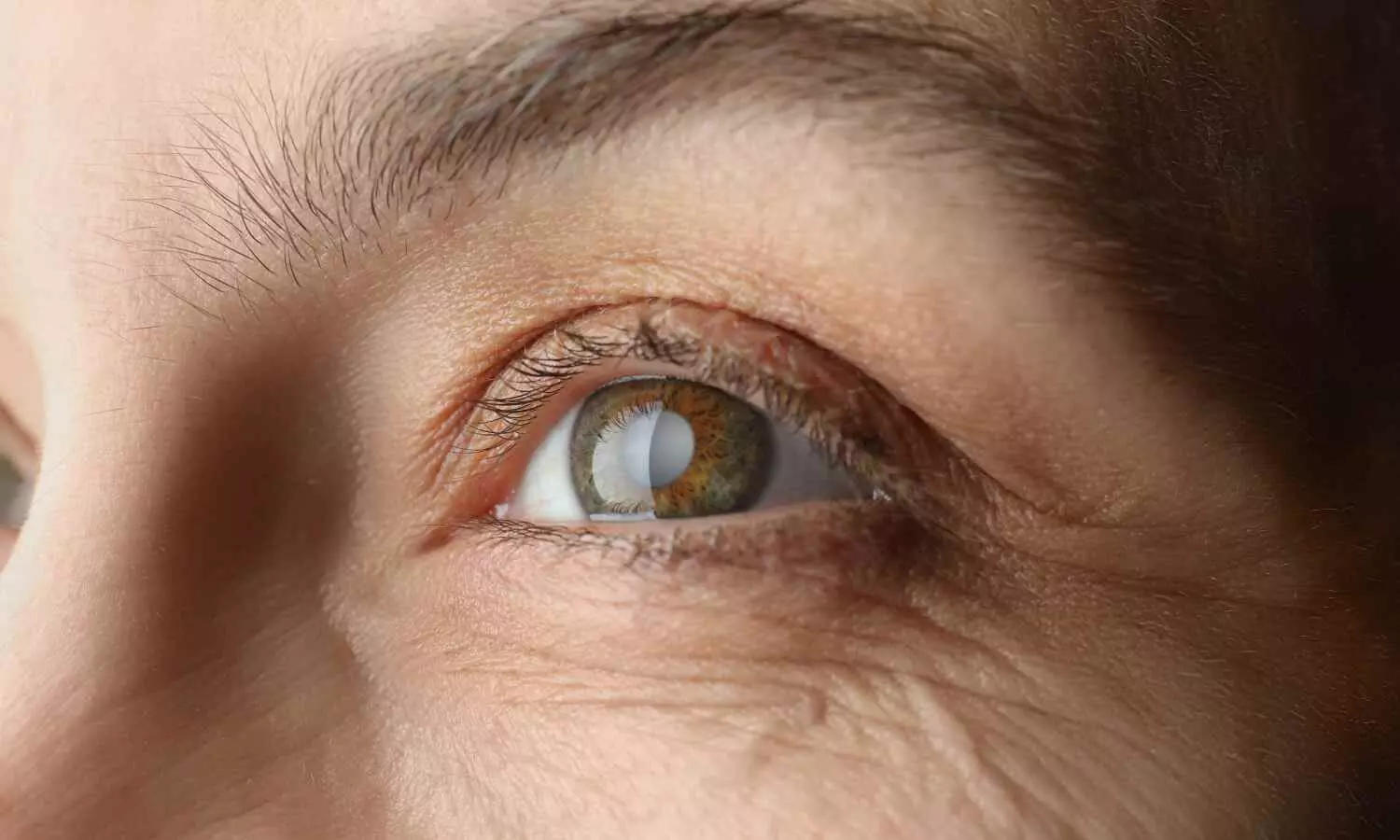


A new study published in the Journal of American Medical Association showed that supplementing with vitamin B3 (nicotinamide) reduced the risk of developing primary open-angle glaucoma (POAG) by almost two-thirds in people with high intraocular pressure.
One of the main causes of permanent blindness is POAG. Even though decreasing eye pressure is the main goal of current therapy for ocular hypertension, many patients continue to suffer from increasing optic nerve damage. This emphasizes how urgently novel neuroprotective treatments are needed.
Supplementing with nicotinamide (vitamin B3) may provide a remedy, according to new clinical studies. Nicotinamide has the ability to shield retinal cells and delay the start of POAG in high-risk individuals by increasing cellular metabolism. Thus, this study looked into if systemic nicotinamide supplementation, which may have neuroprotective qualities, is linked to a lower probability of POAG diagnosis and a postponed need for medicinal or surgical escalation in OHT patients.
Between March 2006 and March 2026, a federated research network including 67 US healthcare organizations provided deidentified electronic medical record data for this cohort study. The only exposure of interest was nicotinamide supplementation, which was predetermined.
Baseline factors were balanced using propensity score matching (1:1). Patients with a primary diagnosis of OHT and at least one previous medical visit were included; those with a history of open-angle glaucoma, laser therapy, or topical glaucoma treatments were not. The risk of being diagnosed with POAG was the main outcome. The need for laser trabeculoplasty and the start of first-line topical glaucoma medication were secondary outcomes. Time-to-event analyses were used to obtain 95% CIs and hazard ratios (HRs).
There were 2920 patients in the propensity score-matched sample.
POAG was diagnosed in 51 patients in the nicotinamide group (3.5%) over a mean (SD) follow-up of 3.7 (1.7) years, compared to 132 patients in the control group (9.0%).
This indicates a 5.5% absolute risk decrease in the nicotinamide cohort.
When compared to 309 individuals in the control group (21.2%), 198 patients in the nicotinamide group (13.6%) received topical intraocular pressure-lowering treatment.
12 patients (0.8%) in the nicotinamide group and twenty-eight patients (1.9%) in the control group had laser trabeculoplasty.
Overall, patients with OHT who were exposed to systemic nicotinamide had a lower chance of developing the condition. Nicotinamide is a possible supplementary technique that might supplement standard therapy by delaying POAG diagnosis and lowering the rate of future recommended therapies, which calls for more prospective research.
Source:
Muayad, J., Sallam, A. B., De Francesco, T., De Moraes, C. G., & Ahmed, I. I. K. (2026). Nicotinamide supplementation and primary open-angle glaucoma in patients with ocular hypertension. JAMA Ophthalmology. https://doi.org/10.1001/jamaophthalmol.2026.2472

