Management of knee anterolateral instability by both Modified Lemaire's and Andrews techniques yield comparable functional outcomes: study
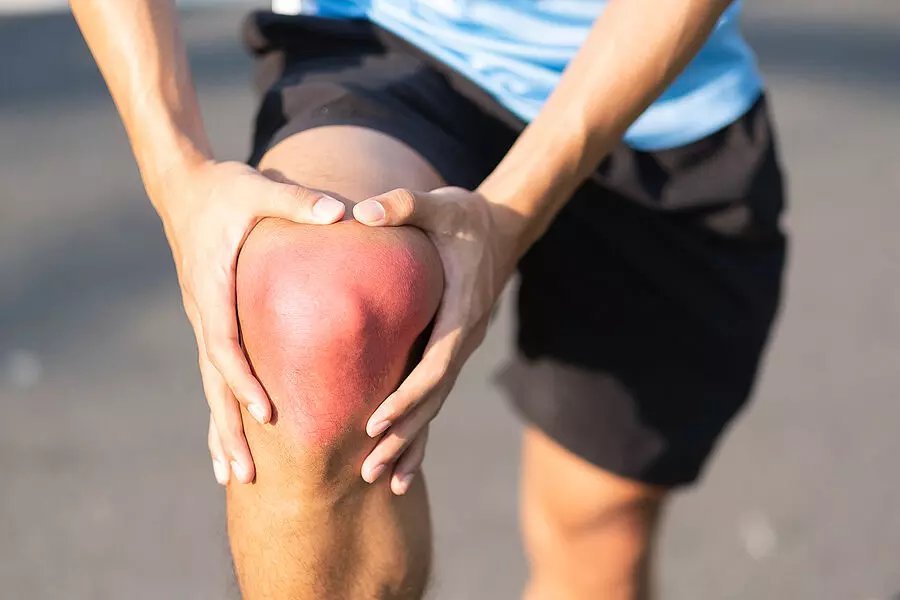


Anterior cruciate ligament (ACL) reconstructions together with lateral extra-articular tenodesis (LET), or LET procedures alone, were frequently used to treat ACL tears with anterolateral instability. The choice of the LET procedure is still debated because each technique varies in terms of graft selection and fixation. Jerin Jeevo et al conducted a study to compare the functional outcome of the two commonly used lateral extra-articular tenodesis procedures, modified Lemaire and modified Andrews techniques, in combination with ACL reconstruction.
Fifty patients with ACL tears and anterolateral instability were split into two groups (25 each) for this prospective comparative study. Patients in the first group received treatment using the modified Lemaire technique of lateral extra-articular tenodesis, while patients in the second group received treatment using the modified Andrews technique of lateral extra-articular tenodesis. For both groups, ACL reconstruction was done by the standard transportal technique using a soft tissue graft. Patients of both groups were then evaluated using the Lysholm Knee score at pre-op, six months, and one year post-operative follow-up.
The key findings of the study were:
• The average age in this study was 31.88 years, consisting of 20 male patients (80%) and five female patients (20%) in the modified Andrews LET group. In the modified Lemaire’s LET group, the average age was 28.92 years, comprising 17 male patients (68%) and 8 female patients (32%).
• The pre-operative mean Lysholm score for the modified Andrews group was 65.2 +/- 4.72. The post-operative mean Lysholm scores at six months and one year were 86.2 +/- 6.1 and 95.1 +/- 3.58, respectively.
• The pre-operative mean Lysholm score for the modified Lemaire group was 63.9 +/-2.89. The post-operative mean Lysholm scores at six months and one year were 84.2 +/-7.42 and 94.5 +/- 6.4, respectively.
• This study found no statistically significant difference in the Lysholm score between the two groups.
The authors concluded – “Various LET procedures have been employed to improve ACL reconstruction due to their ability to offer secondary restraint. They also diminish the stress encountered by the intra-articular reconstruction grafts. Consequently, in patients requiring additional safeguarding for the intra-articular graft, including those who are obese, athletes, or possess markedly compromised anterolateral tissues, the incorporation of a LET into an ACL reconstruction may be viable. The selection of the LET procedure, whether modified Lemaire's technique or modified Andrews technique, may be determined at the surgeon's discretion, as both techniques yield comparable functional outcomes according to our study.”
Further reading:
A Comparative Study of the Management of Anterolateral Instability by Modified Lemaire's Technique Versus Modified Andrews Technique of Lateral Extra-Articular Tenodesis Jerin Jeevo et al Cureus 17(5): e83762. DOI 10.7759/cureus.83762