Adductor Canal Block Plus iPACK Enhances Recovery After Knee Replacement: Reveals Study
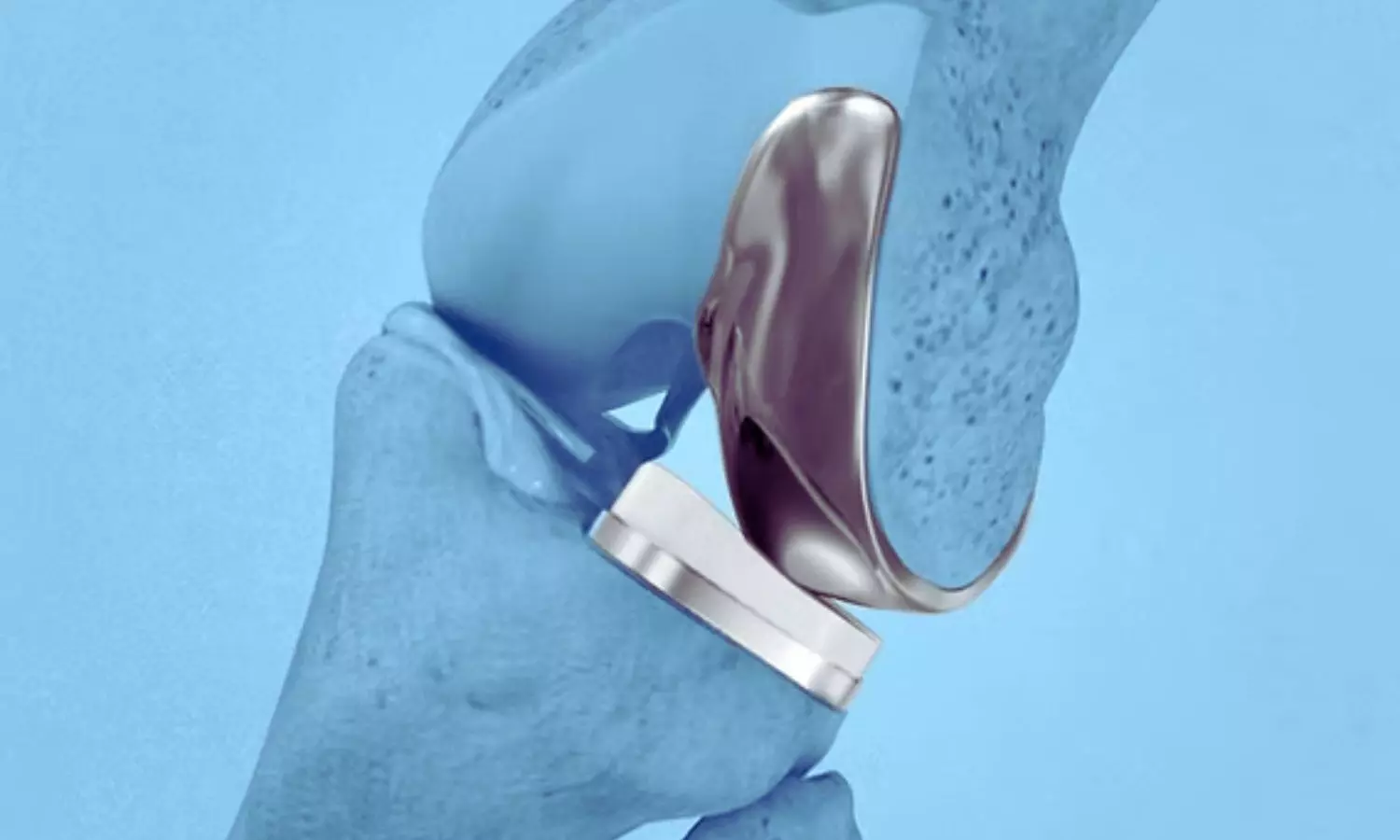


A New Era in Postoperative Pain Management
Total knee arthroplasty (TKA) is a transformative surgery for patients with debilitating knee conditions. As the prevalence of TKA rises, optimizing pain management and rehabilitation becomes crucial to ensure rapid recovery and patient satisfaction. While nerve blocks are widely used to minimize opioid use and hasten rehabilitation, the best combination of nerve blocks for analgesia and motor recovery has remained under debate.
Unlocking the Potential: What This Study Explored
This study, published in BMC Anesthesiology (2025), directly compared two popular nerve block regimens for TKA:
Adductor Canal Block combined with iPACK (A+I)
Sciatic and Femoral Nerve Blocks (S+F)
The researchers hypothesized that A+I would not only provide pain relief comparable to S+F but also deliver superior motor recovery.
Methods: Rigorous Comparative Analysis
Using a robust propensity-score matching approach, the study retrospectively analyzed 126 patients who underwent TKA between January 2022 and December 2023. Key outcomes included:
Pain scores (Numeric Rating Scale, NRS) at rest and during movement
Motor function and degree of motor blockade
Range of motion (ROM) and time to first ambulation
Key Findings: A+I Block Shows Clear Advantages
Superior Pain Control
Patients receiving A+I reported significantly lower pain scores both immediately after surgery and on postoperative days 1 and 2. Notably, pain during movement was much reduced in the A+I group, which is critical for early rehabilitation.
Enhanced Motor Function and Recovery
A+I block led to less motor blockade and earlier ambulation, with patients walking significantly sooner after surgery than those in the S+F group. Improved range of motion was also noted in the A+I group on the first postoperative day.
Reduced Opioid Consumption
The A+I group needed less postoperative fentanyl, indicating better pain management and fewer opioid-related side effects.
Consistency Across Subgroups
Even after excluding patients with high intraoperative analgesic use, A+I continued to outperform S+F in pain reduction and motor recovery.
Clinical Implications
The findings suggest that the A+I nerve block regimen not only matches but surpasses the traditional S+F approach in key areas:
Better analgesia: Lower pain scores, especially during crucial movement phases
Motor-sparing: Allows for quicker rehabilitation and reduces the risk of falls
Potential for shorter hospital stays: Although not statistically significant, a trend toward reduced hospitalization time was seen
The study acknowledges limitations such as its retrospective nature and sample size but reinforces the clinical value of A+I for enhanced recovery after TKA.
5 Key Takeaways
A+I regimen delivers superior pain control after knee replacement.
Significantly less motor blockade enables earlier walking and rehab.
Lower opioid requirements in the A+I group reduce side effect risks.
Improved range of motion documented with A+I on the first day post-surgery.
A+I could set a new standard for postoperative nerve block strategy in TKA.
Citation
Sung, C.-H., Liu, J.-H., Hung, C.-F., & Fu, C.-H. (2025). Comparative analysis of adductor canal block combined with iPACK block versus femoral combined with sciatic nerve blocks: a propensity score matched study. BMC Anesthesiology, 25:249. https://doi.org/10.1186/s12871-025-03112-z