AI Model Signals Blood Transfusion Risk After Femoral Fracture Surgery, Study Suggests

Blood transfusion


Why Predicting Blood Transfusion Matters
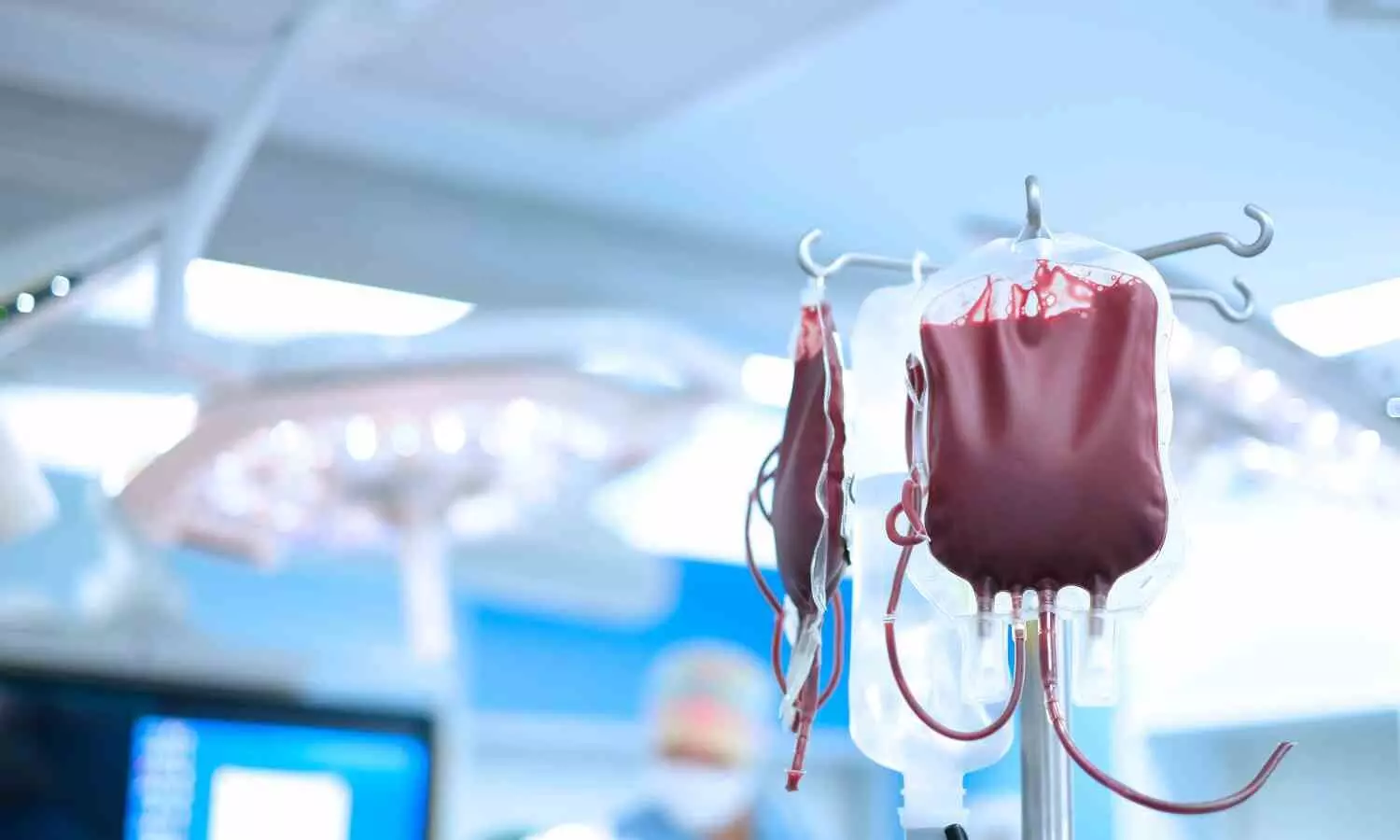
Blood transfusions are common but not without risk for patients undergoing surgery for femoral shaft fractures. These transfusions, often needed due to significant blood loss, can lead to complications. With healthcare increasingly aiming for precision and safety, predicting who will need a transfusion could transform surgical care.
The Power of AI in the Operating Room
Researchers from Emory University and The George Washington University dove into artificial intelligence (AI) to tackle this challenge. Using data from 1,720 patients who underwent femoral shaft fracture surgery between 2015 and 2020, they developed five AI models to predict the likelihood of needing a blood transfusion within 72 hours of surgery.
The star performer? The XGBoost model, which combines multiple decision trees to improve predictive accuracy.
How the Model Works
The researchers started with 30 clinical variables (age, lab values, comorbidities, etc.).
They used a process called recursive feature elimination to find the seven most influential risk factors.
These included: preoperative haematocrit, age, platelet count, blood urea nitrogen, body mass index, white blood cell count, and creatinine.
The model was trained and tested using advanced validation techniques to ensure accuracy.
Key Results: What AI Found
33.1% of patients needed a blood transfusion after their surgery.
The XGBoost model achieved an AUROC of 0.81, indicating strong predictive power.
Low preoperative haematocrit was the most important risk factor, followed by older age and low platelet count.
The AI model could help hospitals prepare blood products in advance for higher-risk patients, potentially saving resources and improving patient safety.
Using AI, surgeons and anaesthesiologists could adapt surgical planning and blood conservation strategies for those most at risk.
Why This Matters for Patients and Doctors
Bringing AI into surgical risk prediction isn’t just about technology—it’s about personalising care, reducing unnecessary transfusions, and improving outcomes. If validated further, these models could become everyday tools for doctors, helping them educate patients and make more informed decisions before surgery.
Key Takeaways
AI models can accurately predict blood transfusion risk after femoral shaft fracture surgery.
Preoperative haematocrit, age, and platelet count are the most important predictors.
XGBoost outperformed other AI models, showing the best accuracy.
Personalised risk prediction could optimise blood product use and patient safety.
Further external validation is needed before using these AI tools in daily clinical practice.
Citation:
Manyam R, Gupta P, Lou P, Guo R, Carro A, Heinz ER. Interpretable artificial intelligence for predicting blood transfusion after surgery for femoral shaft fractures: A retrospective analysis. Indian J Anaesth 2026;70:467-76. doi:10.4103/ija.ija_810_25