Clinician supported Biopsychosocial Self-Management Improves Long-Term Low Back Pain Outcomes: JAMA
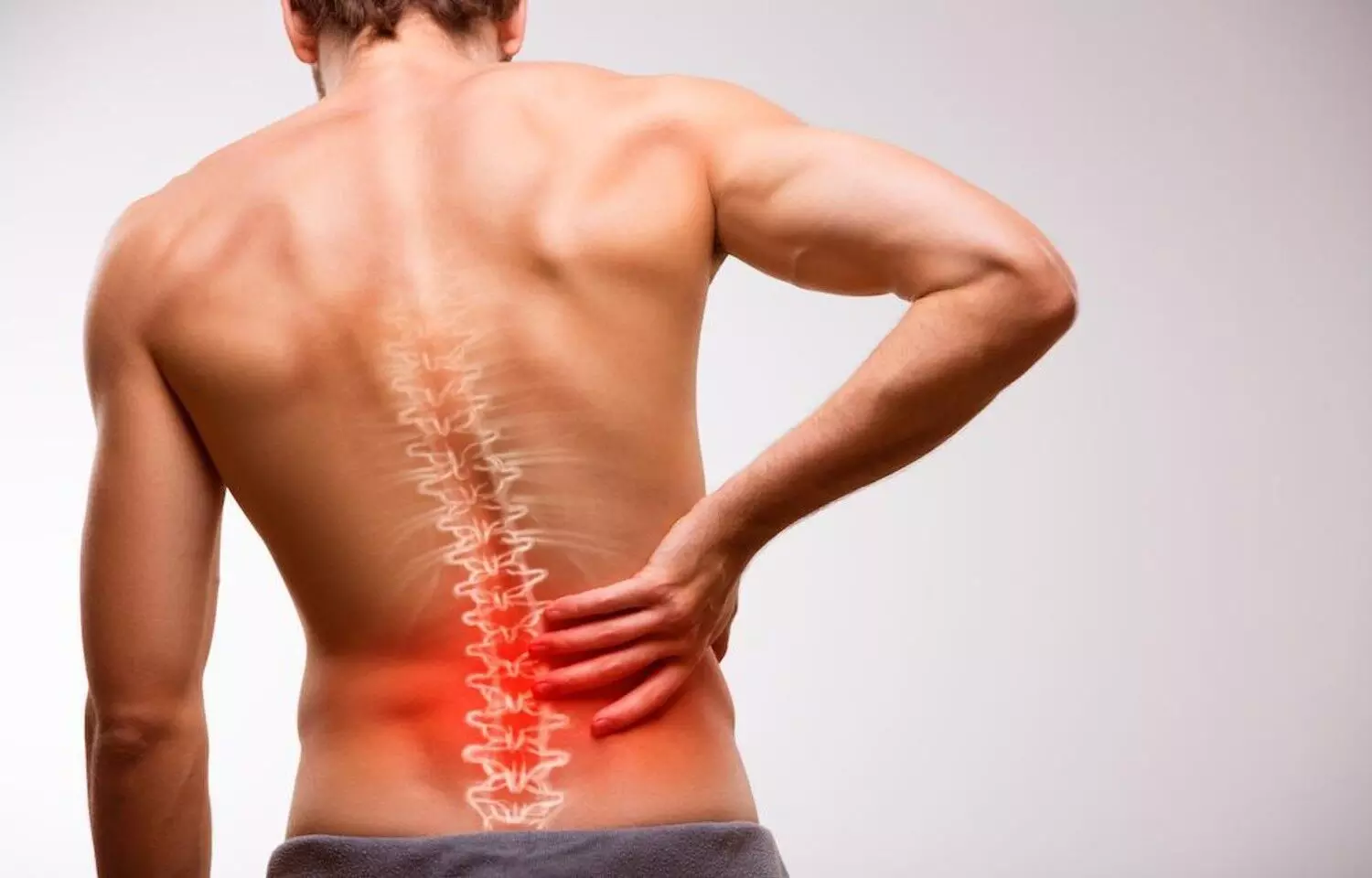


A randomized clinical trial has found that in patients with acute or subacute low back pain (LBP) at high risk of developing chronic disabling pain, clinician-supported biopsychosocial self-management led to lower low back pain impact scores at 10–12 months compared with guideline-based medical care. Although the average improvement was modest, consistent benefits across responder analyses and other measures of pain burden suggest the approach is clinically meaningful. Spinal manipulation did not show significant advantages over standard medical care.
Acute and subacute low back pain (LBP) often progresses to a chronic impactful back problem in patients with elevated risk. The most effective way to prevent this progression is unknown. A study was done to determine the effectiveness of spinal manipulation and clinician-supported biopsychosocial self-management vs medical care for preventing chronic impactful low back pain. This 2 × 2 factorial randomized clinical trial was conducted in research clinics at the University of Minnesota and the University of Pittsburgh, Pennsylvania, from November 2018 to May 2023, with follow-up concluding in June 2024. Adults with acute or subacute low back pain with a moderate to high risk of chronicity were included. Four interventions were applied for 8 weeks: spinal manipulation therapy; supported self-management; combined spinal manipulation therapy and supported self-management; and guideline-based medical care. Spinal manipulation and supported self-management were provided by physical therapists and chiropractors. Mean low back pain impact score per the US National Institutes of Health Task Force on Chronic LBP scale (8 [best] to 50 [worst]) during 10 to 12 months, responder analyses of group differences in the proportion of participants with at least 50% reductions. A reduction of 30% was considered the minimal clinically important within-patient difference. Secondary outcomes included measures of chronicity and low back pain burden (ie, health care and medication use, productivity), important patient-reported outcomes (eg, improvement, satisfaction), biopsychosocial measures (eg, Patient-Reported Outcomes Measurement Information System), and potential mediating psychosocial measures (eg, self-efficacy, kinesiophobia, pain catastrophizing).
An omnibus test of the primary outcome was statistically significant. Group differences in mean low back pain impact scores were small but statistically significant: supported self-management vs medical care, −1.7; combined self-management and spinal manipulation vs medical care, −1.3. Spinal manipulation therapy and medical care did not differ: −0.3. Adding spinal manipulation to supported self-management did not provide additional benefit. The supported self-management group had a significantly higher proportion with at least 50% reduction in low back pain impact vs medical care (64% vs 55%). Supported self-management also performed better on most secondary outcomes compared to medical care, including 12% fewer reporting chronic pain that frequently interfered with regular activities. Mediation analyses showed changes in psychosocial factors at 6 months and explained 76% of supported self-management effects at 1 year.
This randomised clinical trial found that for patients with acute or subacute low back pain at increased risk of chronic impactful low back pain, clinician-supported biopsychosocial self-management resulted in a lower mean low back pain impact score at 10 to 12 months vs medical care; spinal manipulation and medical care did not differ. While the low back pain impact difference was small, the consistent results of the responder analyses and most secondary outcomes suggest differences between clinician-supported self-management and medical care are clinically relevant.
Reference:
Bronfort G, Meier EN, Leininger B, et al. Spinal Manipulation and Clinician-Supported Self-Management for Preventing Chronic Low Back Pain Impact: The PACBACK Randomized Clinical Trial. JAMA Intern Med. Published online June 01, 2026. doi:10.1001/jamainternmed.2026.1893
Keywords:
Clinician, supported, Biopsychosocial, Self-Management, Improves, Long-Term, Low, Back, Pain, Outcomes, JAMA, Bronfort G, Meier EN, Leininger B