Computer-Assisted and Robotic Surgery Advances Precision in Musculoskeletal Tumor Care: Bibliometric Study
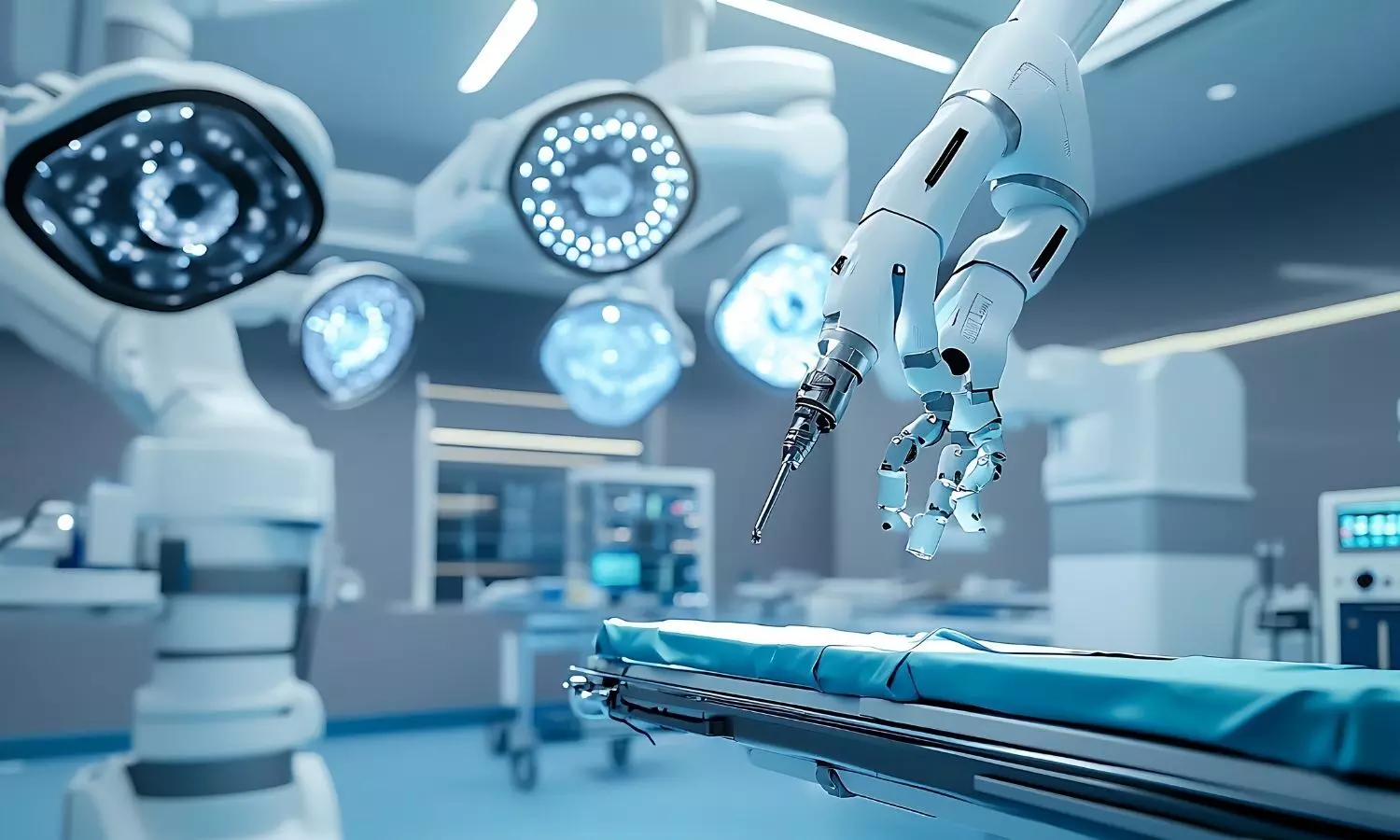


A recent bibliometric study published in the Indian Journal of Orthopaedics in September 2026 highlights how computer-assisted and robotic orthopedic oncologic surgery (CAROS) has evolved from a niche tool into a vital multidisciplinary field, growing at 10.58% annually across 540 articles from 2010 to 2026. By advancing precision oncology and biological reconstruction, CAROS is now driving significantly improved functional outcomes in musculoskeletal tumor care.
While CAROS represents a transformative clinical frontier in musculoskeletal tumor resections, a critical knowledge deficit previously persisted due to the absence of a comprehensive bibliometric synthesis evaluating its global intellectual structure, thematic evolution, and collaborative research networks. To address this clinical gap, authors Longtao Xiao and colleagues conducted a rigorous scientometric investigation aiming to systematically map the global research landscape, international collaboration patterns, and emerging thematic trajectories within CAROS from 2010 to 2026.
Therefore, analyzing 540 peer-reviewed papers from the Web of Science database published between 2010 and 2026, the bibliometric study systematically mapped global research structure and thematic evolution in computer-assisted surgery. Utilizing analytical platforms including Bibliometrix, VOSviewer, and CiteSpace, investigators evaluated co-citation, co-authorship, and keyword patterns to establish key publication trends and collaborative networks.
Key Clinical Findings of the Study Includes:
- Accelerated Publication Growth: Study-wise, academic production in CAROS demonstrated sustained expansion with an annual growth rate of 10.58% between 2010 and 2026, underscoring growing global clinical interest.
- Geographical Research Leadership: Investigation-wise, global output metrics revealed that China established a dominant position in total publication volume while fostering international collaborative networks.
- Dual Intellectual Foundation: Analysis-wise, co-citation network mapping confirmed that CAROS relies on a dual academic foundation bridging clinical orthopedics and biomaterials science.
- Interdisciplinary Paradigm Shift: Research-wise, thematic trend analysis demonstrated a clear evolution from early technology-centered surgical applications toward precision oncology, biological reconstruction, and direct clinical translation.
The results suggest that CAROS has successfully matured from an isolated, technology-driven subspecialty into a recognized interdisciplinary domain, supported by a 10.58% annual growth in publication output across 540 analyzed studies between 2010 and 2026. Consequently, ongoing advancements are actively steering orthopedic surgical oncology away from simple technical execution and toward integrated clinical translation, individualized biological reconstruction, and precision tumor resection.
Thus, the study concludes clinicians and surgical oncology teams are encouraged to embrace multidisciplinary collaboration, adopt standardized clinical evaluation systems, and advocate for equitable technology dissemination to optimize both oncological control and functional patient outcomes.
While the analysis is inherently bounded by its reliance on bibliographic records indexed within the Web of Science Core Collection database between 2010 and 2026, future research should gently focus on establishing rigorous standardized evaluation protocols and expanding cross-disciplinary integration to further validate longitudinal patient outcomes.
Reference
Xiao L, Zhang X, Wang J, Liu K. Research Hotspots and Emerging Trends in Computer-Assisted and Robotic Orthopedic Oncologic Surgery: A Bibliometric and Visual Analysis. Indian Journal of Orthopaedics. Published online September 7, 2026.