Local antibiotic delivery systems play crucial role in managing infections in orthopaedic surgery: study
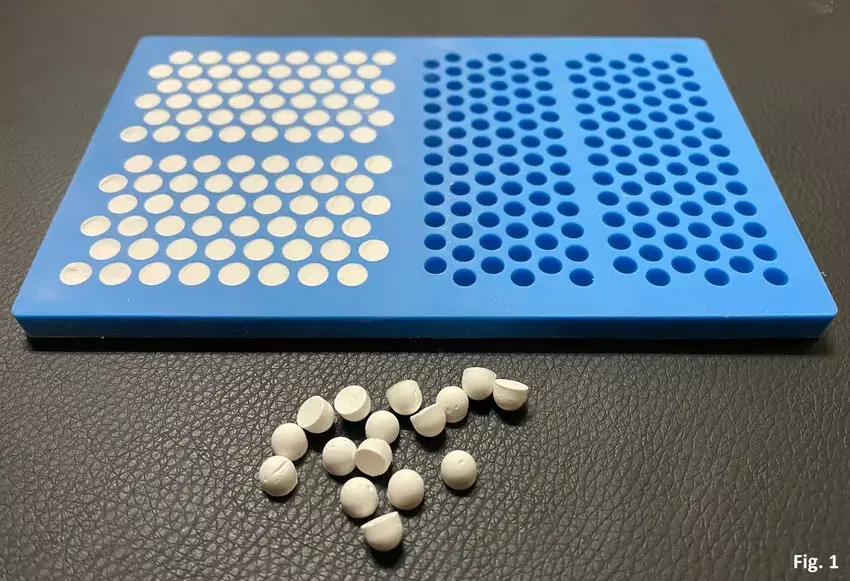


Local antibiotic delivery systems are critical in managing periprosthetic and fracture-related infections, providing high local antibiotic concentrations without systemic side effects. Polymethyl methacrylate (PMMA), the first material to be mixed with antibiotics to perform local antibiotic therapy in orthopaedic history, offers reliable antibiotic delivery above the Minimum Inhibitory Concentration (MIC), typically used with heat-stable antibiotics such as vancomycin, tobramycin, and gentamicin. However, excessive antibiotics can weaken the cement, especially in total joint arthroplasty (TJA). When used for bone defects, a second surgery is often required to replace PMMA with bone grafts.
Calcium sulfate (CaSO4) and hydroxyapatite (HA) combinations provide high antibiotic delivery, with CaSO4 dissolving over time and CaSO4/HA offering better bone conversion than CaSO4. They are most effective in small, contained defects and can be mixed with relatively heat-unstable antibiotics.
Tricalcium phosphate cements are favored for their biocompatibility and biodegradability, enhancing osteoconductivity and allowing for prolonged antibiotic release. Although clinical studies on Ca3(PO4)2 as an antibiotic carrier are limited, vancomycin is commonly used, showing effective bone formation and infection control with a high bone defect cure and healing rate.
Hydrogels are 3D networks of hydrophilic polymers that absorb water and can form physical barriers against bacterial agents. Defensive antibacterial coatings (DAC) can be loaded with antibiotics and have shown lower postsurgery infection rates in arthroplasty. DACs reduce bacterial adhesion and can promote bone healing when combined with osteogenic factors, while being bioabsorbable and compatible with living tissue.
Antibiotic-impregnated bone grafts combine effective local antibiotic delivery with maximum bone healing potential, particularly for those pretreated with induced membranes. Intramedullary harvest offers an unlimited source of bone graft material.
Amir Human Hoveidaei et al commented “In conclusion, local antibiotic delivery systems, including PMMA, CaSO4, HA, tricalcium phosphate, and AIBG, play a crucial role in managing infections in orthopaedic surgery. Each system offers distinct advantages, such as PMMA's sustained antibiotic release, CaSO4's complete resorption, and HA's osteoconductive properties. Although these systems are effective in specific clinical settings, ongoing research and careful material selection are essential to optimize treatment outcomes. The continuous evolution of these technologies holds promise for improving patient care by minimizing complications and reducing the need for additional surgeries.”
Further reading:
Local Antibiotic Delivery Systems and Their Applications in Orthopaedic Surgery Amir Human Hoveidaei et al JBJS Open Access 2025:e25.00157. http://dx.doi.org/10.2106/JBJS.OA.25.00157