Neurophysiological monitoring crucial for detecting screw mispositioning regardless of technique used in adolescent idiopathic scoliosis: Study
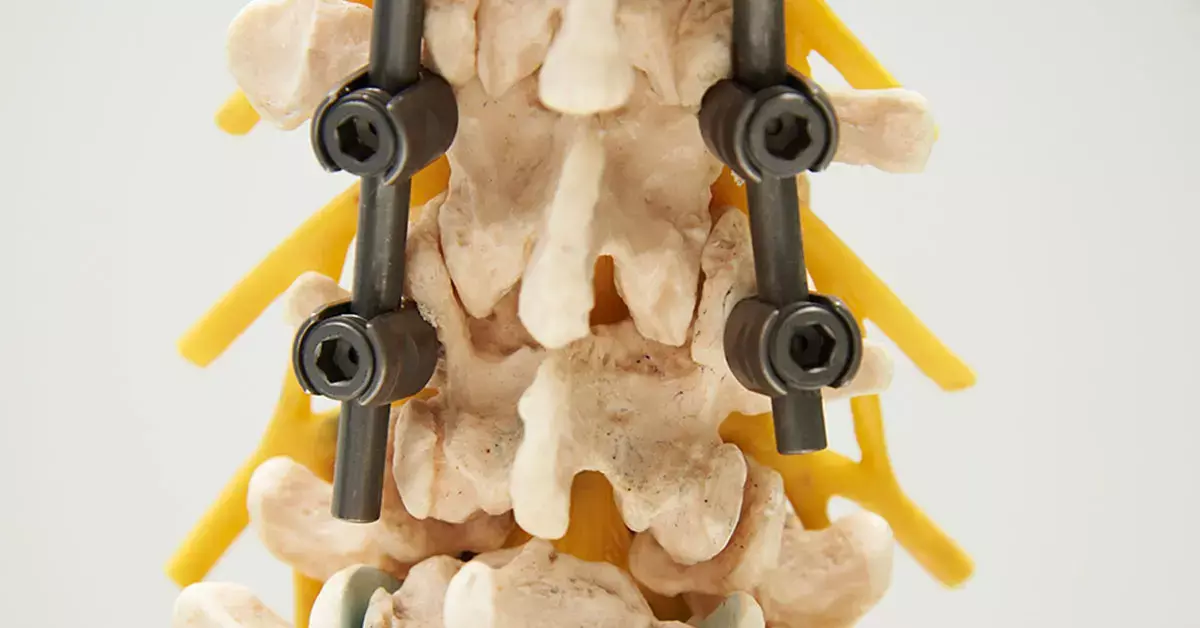


Screws mispositioning is an identifiable cause of intraoperative neurophysiological monitoring changes. To prevent screw mispositioning, a patient-specific guiding template for pedicle screw positioning (PSGT) was introduced to avoid implant mispositioning. Massimo Girardo et al conducted a study to compare the changes in neurophysiological monitoring and screw misposi¬tioning between free-hand (FH) and PSGT in patients surgically treated for adolescent idiopathic scoliosis (AIS).
All patients treated with AIS surgery, aged 14 to 20, were included in the study. Patients with syndromic, kyphoscoliosis, or neuromuscular scoliosis were excluded from the study. Screws were positioned either with FH or PSGT technique. During and after screws' positioning, holes and screws were tested with neurophysiological monitoring in both cases. All screw misplacements were recorded. Screws misplacements were analyzed with rate, and the comparison between groups was performed through Fisher's exact test.
The Key findings of the study were:
• According to the inclusion and exclusion criteria, 83 (19 males and 64 females) patients with AIS were included.
• Some neurophysiological changes were reported in 16.9% of patients (13 transitory, 1 persistent).
• In 20% of patients treated with the FH technique, some alterations were reported (9 transitory, 1 persistent), while in the PSGT group, alterations were reported in 12% of cases (4 transitory).
• In 75% of cases, screw mispositioning was recorded in the concavity.
• No significant differences were observed between groups (p = 0.428).
The authors concluded that - “Screws mispositioning is one of the most significant risks in AIS surgery, and the use of PSGT sensitively reduces the incidence of incorrect positioning and neurophysiological changes. However, some alterations in IONM could also be found when pedicle screws were implanted with PSGT. For this reason, neurophysiological monitoring is crucial for detecting screw mispositioning regardless of the technique used.”
Further reading:
Comparison of free-hand technique and patient-specific guiding template for pedicle screws positioning in adolescent idiopathic scoliosis surgery using neurophysiological monitoring Massimo Girardo et al European Spine Journal (2025) 34:5353–5359 https://doi.org/10.1007/s00586-025-09226-9